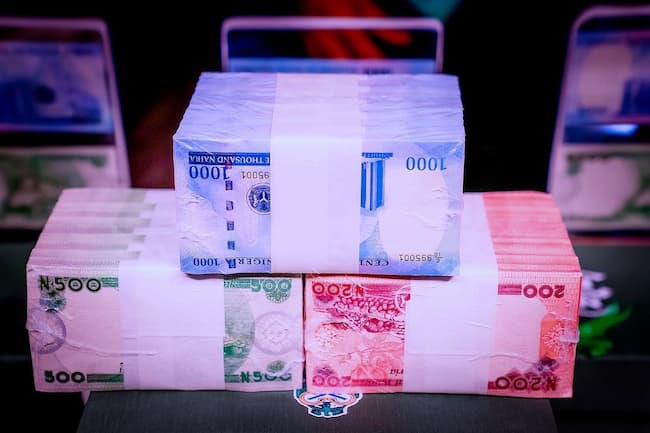
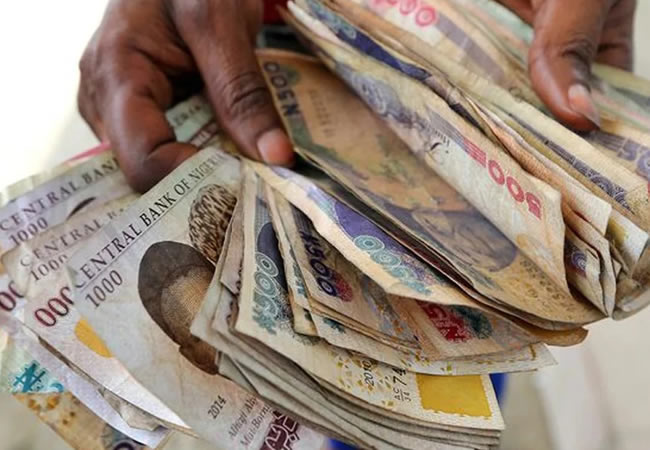
In a significant monetary policy move on Monday, the Central Bank of Nigeria (CBN) successfully raised a total of ₦1.5 trillion through its latest Open Market Operations (OMO) auction, aiming to curb excess liquidity in the banking system.
Despite initially offering OMO bills worth ₦600 billion to commercial banks and foreign portfolio investors, the central bank saw overwhelming interest, particularly in the 204-day tenured bills. The auction, structured across two maturities—113 days and 204 days—witnessed no subscriptions for the shorter-term bills, while the longer-term segment drew immense attention.
According to CardinalStone Securities Limited, the CBN ultimately allotted ₦1.5 trillion at a stop rate of 23.87%, surpassing its offer by a significant margin. The financial market research firm noted that the auction recorded total subscriptions exceeding ₦1.6 trillion.
The strong demand for OMO instruments followed a previous week of robust buying activity, especially at both the short and long ends of the OMO curve. Yields declined by 31 basis points (bps) to 25.53% and 25 bps to 23.49% respectively at these ends.
For the medium-term bills, yields contracted by 30 bps to 24.64%, resulting in a negligible increase in average yield to 24.70%, up from 24.69% a week earlier, according to Coronation Research. Analysts see this development as part of the CBN’s continued efforts to tighten monetary conditions and manage inflationary pressures in the economy.
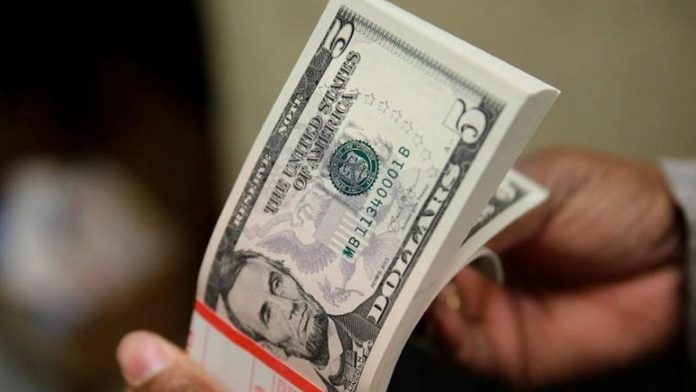
The Nigerian naira maintained its position on Monday, trading at ₦1,534.20 per US dollar at the Nigerian Foreign Exchange Market (NFEM), following the Central Bank of Nigeria’s (CBN) intervention in the forex market.
The apex bank injected $81 million into the market to provide much-needed liquidity and stabilise the exchange rate, which had come under pressure in recent sessions. This intervention helped steady the naira, which had closed at ₦1,534.71 per dollar the previous Friday.
Intraday trades saw fluctuations, with the naira reaching a high of ₦1,535.50 and a low of ₦1,532 before closing at ₦1,535, highlighting underlying demand pressures in the forex market.
The naira had experienced a mild depreciation last week as a result of dwindling FX supply. In response, the CBN’s dollar sale to commercial banks and other licensed FX dealers aimed to bridge the shortfall and support business transactions requiring foreign currency.
This intervention came amid a marked decline in total weekly forex inflows, which fell by over 25%, dropping to $979 million from $1.31 billion in the prior week.
On a positive note, Nigeria’s gross external reserves have continued their upward trajectory, reaching $38.765 billion, based on the latest update from the CBN. Analysts interpret the build-up in reserves as a sign of strengthened macroeconomic buffers, which could support further FX interventions if necessary.
Short-term interest rates in Nigeria’s money market saw modest declines on Monday, driven by an upsurge in banking sector liquidity. According to market analysts, the financial system opened with a liquidity balance of ₦1.99 trillion, boosted by inflows from the Central Bank of Nigeria’s (CBN) Standing Lending and Deposit Facilities.
AIICO Capital Limited, in a note to investors, attributed the strong liquidity environment to increased activity in both standard deposit and lending channels.
Despite this, the interbank lending space showed mixed reactions. The Overnight Policy Rate (OPR) held steady at 26.50%, while the Overnight (O/N) rate climbed slightly by 8 basis points to 27.00%, reflecting the effects of the CBN’s recent OMO issuance.
In an effort to soak up excess liquidity, the CBN auctioned 204-day OMO bills with a stop rate of 23.87%. The auction was heavily oversubscribed, with total bids amounting to ₦1.63 trillion, far above the central bank’s offer size.
Barring any major funding flows, analysts anticipate that interbank rates will hover around current levels. Across all tenors, the Nigerian Interbank Offered Rate (NIBOR) trended higher, albeit marginally, with the overnight NIBOR nudging up by 0.05% to 26.88%.
Meanwhile, yields on Nigerian Treasury Bills experienced a downward movement across most maturities, as investors repositioned portfolios. Despite the general yield decline, the average secondary market yield edged up by 2 basis points to settle at 17.66% due to heightened selling activity.
The week began with a systemic liquidity shortfall of -₦499.69 billion, tightening further from -₦280.57 billion recorded previously. However, by the latter part of the week, liquidity improved significantly, closing at ₦112.14 billion and ₦134.56 billion on subsequent trading days.
Supporting this turnaround, banks placed a substantial ₦991.52 billion in the CBN’s Standing Deposit Facility (SDF), up from ₦146.65 billion earlier in the week. In contrast, the Standing Lending Facility (SLF) usage plunged from ₦916.08 billion to just ₦157.50 million, reflecting improved cash flow positions among banks.
Public hospitals across Nigeria are bracing for significant disruption as nurses under the National Association of Nigeria Nurses and Midwives (NANNM), Federal Health Institutions (FHI) sector, have declared a seven-day nationwide warning strike beginning Wednesday, July 30, 2025.
The industrial action, which threatens to paralyse operations in 74 federal medical institutions—including teaching hospitals, federal medical centres, and specialist health facilities—as well as state and primary healthcare centres, follows the expiration of a 15-day ultimatum issued to the Federal Government on July 14.
At the heart of the strike are longstanding grievances over poor remuneration, chronic staff shortages, unpaid allowances, and deteriorating working conditions. Despite repeated calls for dialogue, union leaders say the government has remained unresponsive.
“The strike is inevitable. The Federal Government and the Federal Ministry of Health have refused to engage us in meaningful negotiations,” said Comrade Morakinyo Rilwan, National Chairman of NANNM-FHI, in an exclusive interview.
Rilwan highlighted several unmet demands, including a dedicated salary structure for nurses, a review of shift and uniform allowances, an increase in core duty allowances, and the establishment of a Nursing Department within the Federal Ministry of Health.
“Nurses are not just any health workers. We are the backbone of patient care—working 24-hour shifts, exposing ourselves to dangers, yet receiving only 6.8% shift allowance instead of the 30% stipulated in a 2009 circular. Even security guards receive the same,” he lamented.
He decried the stagnation in the uniform allowance, which has remained at N20,000 annually for over two decades, despite nurses being required to maintain clean white uniforms that are frequently replaced due to stains and exposure to infectious materials.
“Doctors recently had their lab coat allowances reviewed, but nurses were ignored. This is a clear case of discrimination and neglect,” he added.
The association is also demanding:
An increase in core duty allowance from 1.7% to 4%.
Mass employment of qualified nurses to bridge the staffing gap.
Full implementation of the 2016 Scheme of Service for Nurses.
Immediate reconstitution of the Nursing and Midwifery Council Board, which has been dissolved for over four years.
Rilwan underscored the urgent need for institutional reforms, noting that despite nurses constituting a large percentage of the health workforce, the absence of a dedicated department in the Ministry of Health hampers their professional recognition.
“We have directors reporting to directors in unrelated departments. This undermines our profession. We want a full-fledged Nursing Department led by a competent nursing director,” he stated.
He also criticised the underemployment of nurses in Nigeria, despite the country producing over 10,000 nursing graduates annually.
“We don’t have a shortage of nurses; we have a shortage of opportunities and fair pay. Many nurses are stuck in private hospitals earning next to nothing or working on short-term contracts in public hospitals,” he added.
Speaking on the severity of the action, NANNM’s National Public Relations Officer, Omomo Tibiebi, confirmed that the strike will be total, affecting all services, including emergency care.
“From 12:01 a.m. on Wednesday, July 30, there will be no services in all affected hospitals across the 36 states and the FCT—including emergency units. No skeletal services will be available,” Tibiebi affirmed.
As the countdown to the strike ticks down, healthcare facilities nationwide are preparing for a potential healthcare crisis—one that could leave patients stranded and lives hanging in the balance if the Federal Government fails to intervene.
Despite President Bola Tinubu’s administration pledging to improve healthcare delivery in Nigeria, nursing professionals continue to decry poor treatment and systemic neglect. While the government has made strides in improving doctors’ welfare—through salary reviews, hazard allowances, and equipment upgrades—many nurses argue that these reforms have largely excluded them.
Healthcare experts have urged the Federal Government to swiftly engage the nurses in constructive dialogue to avert the looming collapse of public health services. The warning strike, if not addressed, could escalate into an indefinite industrial action, further crippling an already fragile healthcare system.
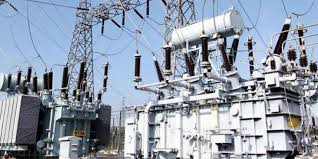
The Federal Government may soon reprivatise Nigeria’s 11 electricity distribution companies (Discos) if they fail to inject fresh capital into the sector within the next 12 months, according to the proposed Electricity Act (Amendment) Bill, 2025, currently before the National Assembly.
The bill, sponsored by Senator Enyinnaya Abaribe (Abia South), seeks to amend the Electricity Act of 2023 by closing regulatory gaps, enforcing stricter penalties for underperformance, and pushing for a complete overhaul of the financial and operational structure of Nigeria’s power sector.
Why This Matters
If passed, the bill will give the Nigerian Electricity Regulatory Commission (NERC) stronger powers to:
Compel Discos to recapitalise within 12 months
Dilute investor shares, especially in companies under financial distress
Place underperforming Discos under receivership
Reprivatise Discos that fail to meet minimum standards
This proposed law signals a stronger stance from the Federal Government, which has become increasingly frustrated with the poor service delivery and lingering debt problems plaguing the electricity sector, despite multiple bailouts and reforms.
The 11 Discos Affected: The proposed law will apply to the following electricity distribution companies across Nigeria:
Abuja Electricity Distribution Company
Benin Electricity Distribution Company
Eko Electricity Distribution Company
Enugu Electricity Distribution Company
Ibadan Electricity Distribution Company
Ikeja Electricity Distribution Company
Jos Electricity Distribution Company
Kaduna Electricity Distribution Company
Kano Electricity Distribution Company
Port Harcourt Electricity Distribution Company
Yola Electricity Distribution Company
Key Features of the Amendment Bill
12-Month Recapitalisation Deadline: Investors must inject fresh capital or risk regulatory sanctions.
Empowered NERC: The bill strengthens NERC’s authority to issue directives, enforce recapitalisation, and impose sanctions.
Clear Federal and State Equity Contributions: Federal and state governments must clearly state and fulfil their financial commitments within a year.
Financial Overhaul of NESI: The Nigerian Electricity Supply Industry (NESI) will undergo a deep financial restructuring to attract long-term investments.
Elimination of Unstructured Subsidies: The bill proposes a phase-out of fuel subsidies and calls for a cost-reflective tariff regime.
Sector Reactions
In May 2025, Minister of Power Adebayo Adelabu openly criticised the Discos for failing to deliver value.
“We’ve invested trillions of naira in this sector, yet many Nigerians still live in darkness. The Discos have failed to meet expectations. If you can’t invest, step aside,” Adelabu said during a press briefing.
The government had previously supported the Discos with financial interventions, but their performance remains largely underwhelming, with persistent outages and mounting debts.
Experts’ Concerns
While some experts applaud the bill, others are urging caution.
Habu Sadiek, a power analyst, welcomed the recapitalisation push but warned that “The government must first clear existing subsidy debts and introduce cost-reflective tariffs. Also, 12 months is too short, 24 months, like what was done in the banking sector, would be more realistic.”
Chinedu Amah, another expert, noted that the sector’s problem is less about policy and more about lack of implementation.
“We have policies for everything. What’s lacking is political will and proper execution,” he said.
Industry Pushback and Concerns
The Forum of Commissioners of Power and Energy has expressed concern that the bill could undermine the decentralised electricity market now emerging under the 2023 Electricity Act. They fear it could roll back progress made by state governments and private stakeholders working to localise power generation and supply.
Meanwhile, a Disco representative who spoke anonymously stated that the industry is not opposed to the law, as long as implementation is inclusive.
“If the law is passed, we will comply. The key is to ensure that implementation does not damage investor confidence or disrupt power supply.”
The bill has passed its second reading and is undergoing further review. Once signed into law, it could mark the most significant shake-up in Nigeria’s power sector since the initial privatisation exercise in 2013.
The government also plans to deploy special intervention teams to two underperforming Discos between May and August 2025 as part of a broader pilot reform. This effort, supported by the Japanese International Cooperation Agency, is part of a roadmap to overhaul the distribution value chain.
The bottom line is if the Electricity Amendment Bill becomes law:
Discos that underperform will no longer be shielded by government leniency.
NERC will gain greater regulatory teeth to restructure the power sector.
The focus will shift to investment, efficiency, and transparency, ending the cycle of poor service and unpaid debts.
For everyday Nigerians, this reform may finally offer hope for a more reliable and sustainable electricity supply—but only if it is implemented with fairness, speed, and accountability.
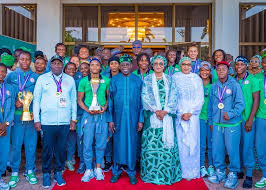
In an unprecedented show of appreciation for women’s football, President Bola Ahmed Tinubu on Monday splashed the sum of N4.602 billion, national honours, and housing gifts on Nigeria’s Super Falcons following their triumphant return from Morocco, where they clinched a record-extending 10th Women’s Africa Cup of Nations (WAFCON) title.
The recognition, which includes the conferment of the Officer of the Order of the Niger (OON) on all 24 players and 11 members of the technical crew, as well as the allocation of three-bedroom apartments for each team member under the Renewed Hope Housing Scheme, has been hailed as a major turnaround in Nigeria’s treatment of its female footballers.
The Nigerian Governors’ Forum further augmented the reward by donating N350 million, bringing the total financial reward to N4.952 billion, a gesture that has set a new benchmark in rewarding excellence in Nigerian sports.
A Landmark Reception for the Champions
The reception at the Presidential Villa in Abuja came just 48 hours after the Falcons delivered a stunning comeback victory over hosts Morocco, edging them 3-2 in a dramatic final at the Rabat Olympic Stadium. Before that, they topped their group with seven points without conceding a goal, cruised past Zambia 5-0 in the quarterfinal, and battled to a hard-earned 2-1 win over South Africa in the semis, with Michelle Alozie scoring the decisive goal.
President Tinubu, while hosting the team, described the Falcons’ performance as a symbol of “the unyielding Nigerian spirit.” He announced that each player would receive $100,000 (approximately N156m) and each coach $50,000, at the prevailing exchange rate of N1,560 per dollar.
“This is a crucial victory at a crucial time. You have shown the world what Nigerian resilience means. I commend you not just for winning, but for representing Nigeria with dignity, grace, and tenacity,” Tinubu said.
From Neglect to National Treasures
For years, the Super Falcons have endured poor treatment, inadequate funding, unpaid bonuses, and lukewarm receptions—even after international successes. Past administrations have often been criticised for sidelining women’s football in favour of their male counterparts. At times, the Falcons resorted to protests and sit-ins to demand their entitlements after tournaments.
One notable instance was after their 2016 WAFCON victory, where the players staged a sit-in protest in Abuja over unpaid allowances. Similarly, during the 2023 FIFA Women’s World Cup, the team faced uncertainties over bonuses and preparations, drawing international criticism over Nigeria’s inadequate support for its women’s national team.
Monday’s gesture by President Amed Tinubu signals a potentially new era for female sports in Nigeria. Analysts and sports development advocates believe this “pat on the back” could not only inspire the players but also raise the profile of women’s football in the country and across Africa.
It also aligns with the President’s Renewed Hope agenda, which aims to empower Nigerian youth and promote gender equality across all sectors, including sports.
The 2024 WAFCON victory also brought individual glory to the Falcons. Captain Rasheedat Ajibade was crowned Player of the Tournament, Chiamaka Nnadozie took home the Best Goalkeeper award, and coach Justine Madugu emerged as Best Coach—a clean sweep that highlights Nigeria’s dominance in African women’s football.
With this 10th title added to their collection (1998, 2000, 2002, 2004, 2006, 2010, 2014, 2016, 2018, 2024), the Super Falcons remain the most successful women’s national team on the continent.
Experts say this level of recognition will elevate the international profiles of the players, many of whom ply their trade in top European leagues. It could also attract sponsorship deals, boost player transfers, and inspire the next generation of Nigerian girls to pursue sports professionally.
As Nigeria basks in the glory of this win, the hope is that this momentum will translate into long-term investments in women’s football—through improved infrastructure, welfare, grassroots development, and continuous government support.
The message is clear: Nigeria’s heroines will no longer be ignored. The Super Falcons are not just champions on the field, they are now national treasures.
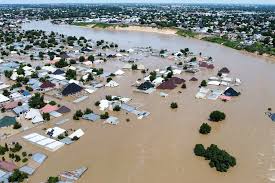
At least eight people have been confirmed dead following a devastating flood in Yola, the Adamawa State capital, as torrential rains wreaked havoc across multiple communities early Sunday morning. The disaster, which displaced hundreds and left dozens missing—many of them children—has triggered a wave of emergency preparedness activities in other states.
The downpour, which began around 1 a.m., intensified over several hours, flooding low-lying communities such as Shagari Low Cost, Yolde Pate, and Sabon Pegi. Residents reported that floodwaters surged into homes, causing structural collapses and sweeping away entire households. Over 600 houses were destroyed, according to local accounts.
Authorities confirmed the recovery of eight bodies, including two children in Sabon Pegi and six others pulled from drainage channels in Ibunu Abbas, also known as Yola Bypass. The victims have been deposited at Modibbo Adama Teaching Hospital, Yola.
Spokesperson for the Adamawa State Police Command, SP Suleiman Nguroje, said rescue operations were still ongoing. “Our officers are on the ground, working with other agencies to find and assist victims. We are standing with the affected communities during this tragic time,” he said.
In response, the National Emergency Management Agency (NEMA) has activated flood readiness plans in 15 high-risk states, including Adamawa. The agency had earlier warned of increased flood threats this rainy season and has intensified awareness campaigns in vulnerable regions.
States across Nigeria are also stepping up their flood mitigation strategies.
In Anambra, the state government has constituted an inter-ministerial committee to coordinate preparedness efforts. Commissioner for Environment, Dr Felix Odimegwu, said Governor Chukwuma Soludo had ordered sensitisation campaigns, drainage clearance, and early warnings to coastal communities.
Drainage and reservoir systems including the Nkissi and Ogboji reservoirs have been upgraded to manage excess water, while officials from NEMA have commenced sensitisation activities in flood-prone LGAs like Ogbaru and Anambra East.
In Edo State, the government has launched a strategic inspection of erosion-prone areas. According to Ahmed Momoh, head of the state’s Flood, Erosion and Watershed Management Agency, ongoing desilting of major drainage systems is expected to ease water flow during peak rainfall. Temporary camps have been set up in flood-prone areas such as Ilushi and Aghenebode to accommodate displaced persons if necessary.
In Bayelsa State, which sits below sea level and is routinely affected by severe flooding, has initiated preemptive measures. According to the Directorate of Flood and Erosion Control, natural water channels in Yenagoa and other parts of the state are being cleared. Public and private schools have also been designated as temporary shelters for displaced residents.
Flood alerts from the Nigeria Hydrological Services Agency (NIHSA) warn that more than 2,000 communities across 293 local councils could face moderate to severe flooding between now and early August. With the River Niger and River Benue expected to overflow in the coming weeks, the disaster in Adamawa is seen as a grim preview of what lies ahead.
State and federal authorities are urging residents in flood-prone zones to relocate to higher ground and avoid blocking drainage systems.
As emergency efforts continue in Adamawa, the tragic scenes in Yola have become a wake-up call for urgent climate resilience, better infrastructure, and swift disaster response across Nigeria.
The African Shipowners Association has raised concerns that Nigerian shipowners are being sidelined in crude and refined product shipments from the Dangote Petroleum Refinery, with the company opting for Angola-based vessels due to a lack of local shipping capacity.
President of the association, Ladi Olubowale, disclosed this in an interview, stating that the refinery’s reliance on Angolan fleets stems from Nigeria’s absence of large-capacity vessels such as Supermax, Suezmax, or Aframax-class tankers.
“We are losing significant revenue because we don’t have the kind of vessels required,” Olubowale said. “Angola has them ready for charter. If we had that class of vessel, Dangote would have used us too. We’re missing out on a key opportunity to develop our maritime sector.”
He stressed that unless Nigeria builds its deep-sea shipping capacity, major logistics and trade opportunities like those from Dangote’s $20 billion refinery will continue to elude the country.
This comes after Dangote Group President, Aliko Dangote, recently decried rising logistics and port-related charges, revealing that lifting products from his Lekki-based refinery costs marketers more than importing from offshore terminals in countries like Togo. This has further complicated domestic distribution, contributing to Nigeria’s continued reliance on refined petroleum imports.
Edward Sowho, a member of the Nigerian Indigenous Shipowners Association, believes local participation is still possible. “If Dangote wants to use Nigerian-flagged vessels, it can be arranged through partnerships with foreign owners. The Angolan vessels may not even be owned solely by Angolans,” he said.
Sowho added that engagement between Dangote and indigenous shipping groups like NISA could foster workable solutions, if there’s the will to prioritise local content.
In response, Dangote Group spokesperson, Anthony Chiejine, maintained that the company works with shipping lines that have capacity. “Ask those in that business why they are not attracting funding. That’s the real issue,” he said.
Olubowale called on the government to invest through initiatives like the Cabotage Vessel Financing Fund, noting that developing a strategic fleet is essential if Nigeria hopes to participate meaningfully in the regional maritime economy.
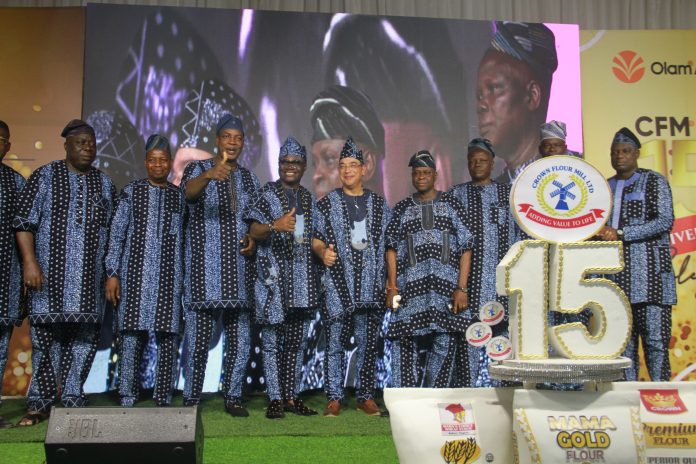
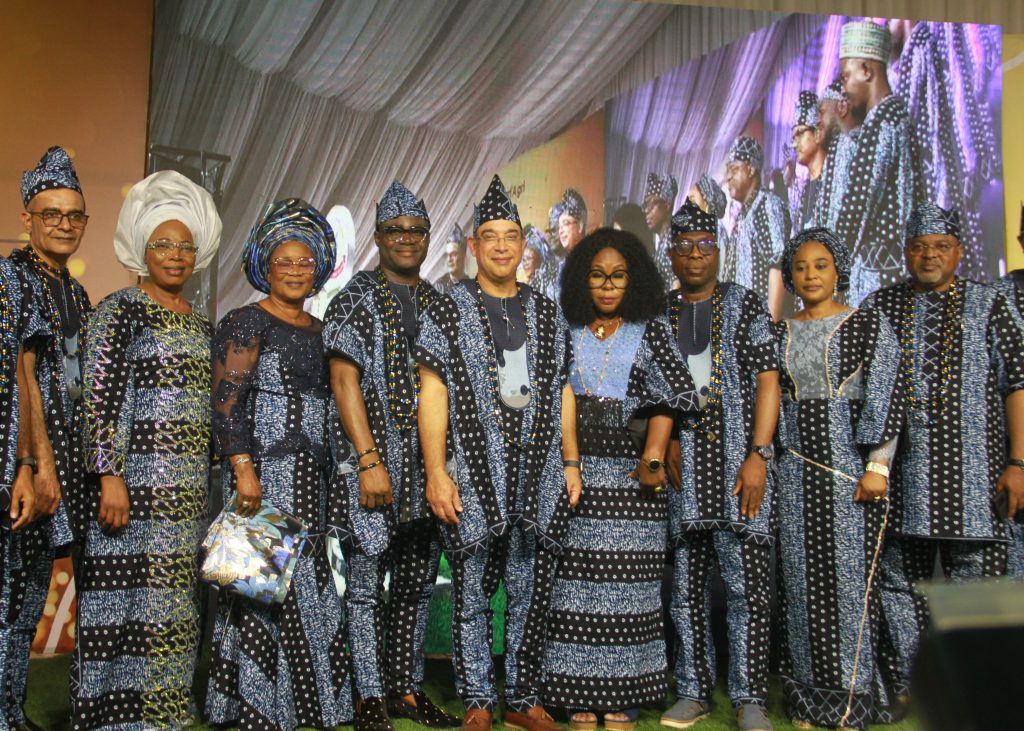
Bolaji Anifowose, Vice-President, Commercial, Olam Agri, and Nitin Mehta, MD, Wheat Milling Business, Olam Agri (middle), surrounded by another set of Crown Flour Mill (CFM) top distributors during the event.
Olam Agri, a global leader in food, feed, and fibre, is celebrating 15 years of transformative impact since its acquisition of Crown Flour Mill (CFM), establishing the company as a trusted name in Nigeria’s wheat milling and pasta industry. The anniversary celebration, which attracted the crème-de-la-crème in the manufacturing sector, leading government officials, partners and staff members, was held at The Stable, Surulere, Lagos, on Thursday, July 24, 2025.
CFM commenced milling operations in 1981 and since acquiring the business in 2010, Olam Agri has invested and grown to become the leading wheat milling and pasta manufacturer in Nigeria, and one of the leading millers in Africa. From two manufacturing plants 15 years ago, Olam Agri’s wheat milling and pasta business now operates nine plants across the country producing flour, semolina and pasta, backed by strong freight capabilities and global sourcing expertise.
L-R: Abhishek Singh, Vice President & Business Head, Flour Milling Business, Olam Agri; Bolanle Adereti, MD, Bofik Nig Ltd; Deborah Idowu, MD, Femadous Nig Enterprises; Bolaji Anifowose, Vice-President, Commercial, Olam Agri; Nitin Mehta, MD, Wheat Milling Business, Olam Agri; Sarah Orogun, Director, Francoro Enterprises; Moshood Quadri, Head, Industrial Relations and Human Resources, Olam Agri; Bola Adeniyi, GM/Head, Marketing, Olam Agri, and Datti Danjuma, Head of Corporate Affairs and Government Relations, Olam Agri, during the anniversary celebration.
The company has established itself as a leader in supporting the development of the food and agricultural sector. It has installed the first state-of-the-art premix facility in Nigeria, established extensive backwards integration that has empowered approximately 500 farmers, and partnered with the Federal Ministry of Agriculture, the International Centre for Agricultural Research in the Dry Areas (ICARDA), the Lake Chad Research Institute (LCRI) and top global crop researchers to promote local wheat production.
The company’s impressive scale in performance earned has earned it major awards and certifications, amongst them the National Productivity Order of Merit Award recognition by the Federal Government, FMDQ Gold Awards recognising the business’s robust operating capacities, and the Food Fortification Award for exemplary commitment to delivering on Micronutrient Fortification Index (MFI). Its commitment to offering a positive and thriving work environment for its employees has also been recognised by the HR People Magazine Awards as the Employer of Choice.
The anniversary provided a platform to celebrate the business achievements, recognise remarkable inputs by high-performing staff members, and acknowledge support from distributors and partners. Femi Areo, a retail channel member and distribution merchant, spoke about the business impact. He explained, “I have had the utmost joy in partnering with Olam Agri to distribute its products for these 15 years. It provides me with the right support by producing the best quality products, providing on-time delivery and retail channel value-added services that ensure I can deliver robust sales in our local marketplace. I am grateful for the business. The partnership has improved my income and livelihood.”
Femi Koya, a staff member who had been with the business since the acquisition, said, “This business gave me an invaluable career start. They provide me with a platform to contribute to raising the national food security level, contributing meaningfully to the economy and feeding my family while growing my career at the same time. Congratulations to us.”
Nitin Mehta, Managing Director & Business Head of Olam Agri’s wheat milling and pasta business, emphasised the broader vision behind the business accomplishments in the short time, “Our strong profile of achievements in less than two decades of acquisition underlines our dedication to supporting the government’s New Hope Agenda for food security. The business growth under Olam Agri proves what’s possible with the right vision and investment. We’re building more than a milling operation; we’re building a platform for inclusive development that uplifts employees, empowers partners, and delivers value to families across Nigeria. We remain committed to advancing innovation, nutrition, and access to affordable food.”
Anil Nair, Country Head for Olam Agri, said, “At Olam Agri, we focus on unlocking value for customers, enabling farming communities to prosper sustainably and strive for a food-secure future. With an extensive distribution network for staples and packaged foods across Nigeria, we continue to drive growth in local food production. Our strong performance over the last 15 years is a testament to our commitment to manufacturing excellence and national food security.”
CFM staff members who have demonstrated outstanding performance were rewarded during the event.
“We are filled with optimism and excitement for the future. We have a clear vision of where we want the business to be within the next decade. This is why we developed a 10-year roadmap for drought-resistant seed development to scale local wheat production. With the continued support of our team, we are confident in our ability to reach new heights.”
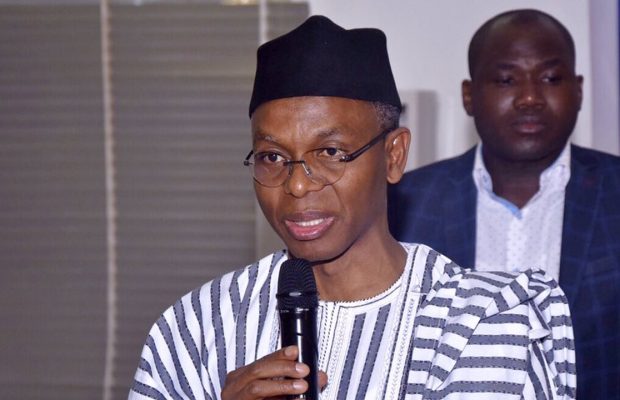
The Social Democratic Party (SDP) has expelled former Kaduna State Governor, Nasir El-Rufai, and barred him from any association with the party for 30 years over what it described as false claims of membership, manipulation, and attempts to destabilise the party.
In a statement released Monday by its National Publicity Secretary, Araba Aiyenigba, the SDP said El-Rufai never registered at his ward, forged documents to claim membership, and aligned with another party, the African Democratic Congress (ADC), while falsely parading himself as an SDP member.
The party accused him of attempting to impose himself through social media and unauthorized political moves, including forging a membership register and associating with suspended party leaders.
Despite initial acceptance based on his public declaration and a letter of support issued at his request, investigations by the party’s National Working Committee revealed he had not fulfilled basic membership requirements and was promoting activities of other parties in Kaduna State.
“Rather than follow due process, El-Rufai forged his own documents and declared himself ‘Number 001’ in the SDP register of Unguwar Sarki Ward,” the statement said.
The SDP called on INEC and other institutions to disregard any claims El-Rufai makes on behalf of the party and reaffirmed its commitment to rule of law and internal democracy.
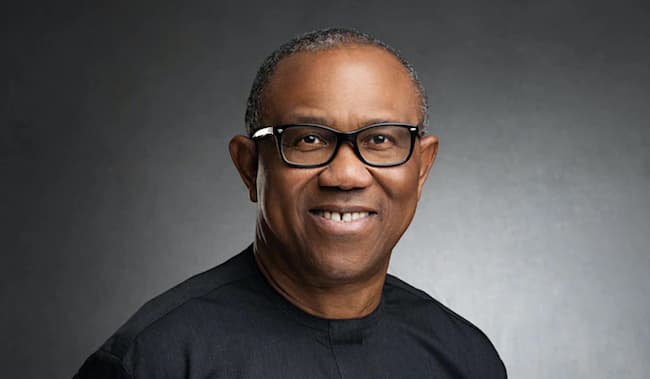
Former Anambra State Governor and 2023 Labour Party presidential candidate, Peter Obi, has accused President Bola Ahmed Tinubu of deliberately manipulating economic statistics to mislead Nigerians about the true state of the nation’s economy.
In a strongly worded post on social media platform X (formerly Twitter), Obi claimed the Tinubu administration is using “wrong statistics” on unemployment, inflation, and GDP to present a misleadingly positive picture, despite rising poverty and worsening living conditions across the country.
Recalling a 2022 campaign moment in Delta State, Obi wrote, “In November 2022, while campaigning, Bola Tinubu mocked me for relying on statistics, saying, ‘Na statistics we go chop?’ Now, two years into his four-year tenure, Nigeria is classified as one of the hungriest nations in the world.”
Obi continued, “President Tinubu is now overfeeding Nigerians with wrong statistics—from unemployment figures to inflation rates and now GDP rebasing all to put a positive spin on our deteriorating economic and household conditions.”
He emphasized that effective governance requires “sincerity of purpose, character, competence, capacity, and compassion,” warning that attempts to gloss over the economic hardship faced by millions will only deepen public mistrust.
Obi’s remarks come amid a mix of economic indicators from both domestic and international sources. The World Bank’s April 2025 Africa’s Pulse report ranked Nigeria as the country with the highest share (19%) of extremely poor people in sub-Saharan Africa meaning roughly one in every seven of the world’s poorest people lives in Nigeria.
The report added that the region, led by Nigeria, accounted for 80% of the world’s 695 million extremely poor in 2024.
Meanwhile, data from Nigeria’s National Bureau of Statistics (NBS) showed a modest decline in headline inflation, which eased to 22.22% in June 2025 from 22.97% in May. On a year-on-year basis, the June inflation figure represents a significant drop from the 34.19% recorded in June 2024. However, monthly inflation rose slightly to 1.68% in June from 1.53% in May, indicating accelerating price pressures in the short term.
While the government has touted these numbers as signs of economic recovery, critics like Obi argue that the reality on the ground contradicts the official narrative. In April 2025, he noted that Nigeria had more poor people than China, Indonesia, and Vietnam combined countries with far larger populations.
The accusations mark the latest in a series of critiques by Obi, who has positioned himself as a vocal opposition figure since the 2023 elections. With poverty and inflation continuing to dominate national discourse, the debate over economic data credibility is likely to intensify ahead of the 2027 general elections.
Nigeria’s sovereign Eurobonds surged last week, buoyed by renewed foreign investor confidence and strengthening local macroeconomic indicators. The price rally led to a dip in yields, signalling lower borrowing costs for the Nigerian government and other African issuers.
According to financial services firm Cowry Asset Limited, the average yield on Nigerian Eurobonds fell by six basis points to settle at 8.39% by the close of trading. The movement reflects heightened demand, particularly across the short and belly sections of the curve,portions of the bond maturity spectrum favoured by cautious investors.
Market analysts attributed the surge to strong investor appetite for U.S. dollar-denominated Nigerian debt, despite volatility in U.S. Treasury yields. Traders noted that while foreign investors have largely priced in Nigeria’s ongoing disinflation trend, sentiment remains mixed regarding long-term positioning in African debt markets.
“Investors are showing a preference for short-duration instruments,” said one bond trader, pointing to increased activity in Nigerian Eurobonds maturing in November 2025.
The bullish tone in Nigeria’s Eurobond market mirrors broader trends across African sovereign debt. The continent’s Eurobond segment posted positive returns during the week, driven by easing global trade tensions. Recent trade agreements between the U.S. and Japan, and separately between the U.S. and the EU, have helped boost sentiment by reducing tariff risks.
Alongside Nigeria, Eurobonds issued by Angola and Egypt also saw increased interest. Ghana, however, experienced yield curve pressure due to sell-offs, highlighting diverging investor sentiment across the region.
Overall, African Eurobond yields compressed by 22 basis points on average over the week, as steady buying activity persisted despite bouts of profit-taking. Investors are now closely watching the upcoming August 1 deadline for potential U.S. tariff changes, which could further shape global market direction.
The Federal Government has announced plans to generate over two million jobs through its Renewed Hope Social Housing Programme, an ambitious initiative aimed at tackling Nigeria’s housing deficit while creating economic opportunities.
Minister of Housing and Urban Development, Ahmed Dangiwa, revealed this during a session with the House of Representatives Committee on Housing and Habitat at the National Assembly in Abuja.
Dangiwa said the programme, designed to benefit low-income earners, the unemployed, vulnerable groups, and Internally Displaced Persons, will see the construction of 100 housing units in each of the country’s 774 local government areas.
According to him, “Over two million jobs will be created by employing 25 workers per unit, 27 jobs per location, across 77,400 project sites.”
The initiative will be funded through the Renewed Hope Infrastructure Development Fund. A national housing fund bill will also be introduced to the National Assembly for long-term sustainability once the project kicks off and receives presidential approval.
The Minister reported that several existing housing projects are progressing, including Renewed Hope Cities in Abuja, Kano, and Lagos, many of which are near completion. He said access road delays might affect the timeline for the Abuja project’s commissioning, originally slated for August.
Dangiwa added that housing subscriptions have already commenced nationwide, allowing developers to begin recouping investments. He also called on the Accountant-General of the Federation to prioritise housing in future funding disbursements.
Chairman of the House Committee on Housing and Habitat, Abdulmumin Jibrin Kofa, assured the Minister of the committee’s full support and collaboration to ensure delivery and impact.
The Sokoto State Government has unveiled 30 new mass transit buses and introduced a digital e-ticketing platform to modernize public transportation and boost transparency.
With this addition, the Ahmed Aliyu administration has now procured a total of 70 buses since assuming office. At the handover ceremony on Sunday, Deputy Governor Idris Muhammed Gobir officially presented the buses to the Commissioner for Transportation, Bala Kokani.
Gobir noted that the new buses had been held back pending the completion of the e-ticketing system, which is now fully operational. The digital platform allows passengers to book and pay for trips online, eliminating long queues and promoting accountability.
“This initiative aims to ease transport challenges, especially in light of economic difficulties caused by fuel subsidy removal,” Gobir stated. He urged the Ministry of Transportation to ensure strict oversight and proper maintenance of the vehicles.
Commissioner Kokani praised the governor’s investment in the sector, promising to uphold high standards in maintaining the new buses.
The government expects the initiative to reduce congestion, improve service delivery, and create a more efficient transport network across Sokoto State.
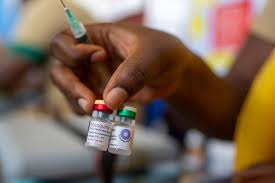
Malaria remains one of Nigeria’s deadliest public health challenges, claiming the lives of nine citizens every hour, according to new data from the Society for Family Health (SFH).
Speaking at a media orientation on malaria prevention held in Kano, SFH’s Social and Behavioural Change Specialist, Sesugh Deborah Oryiman, revealed that 97 per cent of the Nigerian population is at risk of malaria, with children under five and pregnant women being the most vulnerable.
“Malaria kills nine people every hour in Nigeria. The disease is responsible for an estimated 30 per cent of all child deaths and 11 per cent of maternal deaths annually. Alarmingly, one in every five malaria deaths worldwide occurs in Nigeria.” Oryiman stated.
She noted that Nigeria records nearly 110 million clinically diagnosed malaria cases each year, accounting for two out of every four cases in West Africa. The burden of the disease, she added, extends beyond health, contributing to school absenteeism, decreased productivity, and substantial economic losses—impacting up to 40 per cent of the country’s Gross Domestic Product (GDP) due to treatment costs and lost man-hours.
Despite the daunting statistics, there has been a marginal decline in malaria prevalence, with microscopy-confirmed cases dropping from 27 per cent in 2015 to 22 per cent in 2021.
As part of its ongoing efforts to combat malaria, SFH announced the distribution of 7.7 million insecticide-treated nets (ITNs) and more than 15 million doses of seasonal malaria chemoprevention (SMC) drugs across Kano State. The SMC drugs will target children aged three to 59 months in all 44 local government areas.
Oryiman explained that the distribution would focus on wards with the highest malaria burden, adding that sleeping under insecticide-treated nets remains the most effective and cost-efficient prevention strategy.
Also speaking at the event, the Kano State Malaria Elimination Programme Manager, Babangida Gwarzo, disclosed that over 27,000 community mobilisers and distributors have been deployed for door-to-door delivery of the drugs and nets.
According to Gwarzo, more than three million children are expected to benefit from the SMC intervention. He further noted that caregivers would receive tokens to encourage the collection and consistent use of treated nets during the ongoing rainy season, when malaria transmission peaks due to increased mosquito breeding.
The campaign underscores the continued urgency to intensify malaria control and elimination strategies in Nigeria—one of the countries bearing the heaviest global malaria burden.
GCR Ratings has affirmed the national scale long- and short-term issuer ratings of LAPO Microfinance Bank Limited at BBB-(NG) and A3(NG) respectively, while revising the outlook from negative to stable, citing robust capitalisation despite liquidity concerns and modest competitive positioning.
In its latest credit opinion, GCR highlighted that LAPO’s strong capital base remains the bank’s primary rating strength. As of 31 December 2024, the microfinance lender posted a core capital ratio of 30.9%, down slightly from 33.8% in 2023 but still well above regulatory requirements. Its Capital Adequacy Ratio (CAR) also comfortably exceeded the 10% regulatory minimum for microfinance banks.
LAPO’s total assets increased to N125 billion, up from N104.6 billion in 2023, giving it an estimated 3% market share in Nigeria’s microfinance subsector. The bank is projecting further growth supported by a proposed N10 billion bond issuance, which is expected to enhance digital offerings and improve operational efficiency over the next 12 to 24 months.
However, GCR flagged weak asset quality metrics as a risk to the ratings. While non-performing loan (NPL) and credit loss ratios improved to 9.4% and 0.6%, the rating agency noted that these gains were largely the result of loan write-offs, not fundamental risk mitigation. The bank’s ability to sustain these improvements depends on its ongoing recovery efforts and improved collection channels.
On liquidity, GCR noted a low liquid asset coverage of just 7.3% of customer deposits and 0.2x of wholesale funding. While the bulk of LAPO’s funding (74.6%) comes from well-diversified customer deposits, the bank’s liquidity is vulnerable and must materially improve over the next 12 months to avoid downward pressure on ratings.
Funding is supported by relatively low-cost current and savings accounts (CASA), which make up 81.8% of total deposits, keeping the bank’s cost of funds at 6.6%—comparing favorably with the broader industry.
The average yield on Nigerian government bonds declined to 16.28% in the secondary market, driven by renewed investor interest following the disbursement of N284.73 billion in coupon payments. This injection of funds significantly improved liquidity levels in the financial system, pushing total system liquidity to over N1.35 trillion, according to a market update by AIICO Capital Limited.
The drop in yields reflects heightened demand for fixed-income securities, particularly by institutional investors looking to reinvest coupon earnings amid expectations of monetary policy easing. Analysts note that the current yield environment offers attractive real returns, especially as inflation continues on a downward trend, now at 22.22%, against the benchmark interest rate of 27.50%.
Analysts at Cordros Securities attributed the yield contraction to reinvestment of coupon proceeds by institutional investors, with sustained demand across short, mid, and long-term bonds. Yields dropped 35 basis points (bps) at the short end, 43 bps at the mid, and 17 bps at the long end of the curve.
Notably, the yield on the APR-2029 bond fell by 48 bps, APR-2032 declined 69 bps, and MAR-2036 shed 40 bps due to strong buying momentum.
Market watchers say the July bond auction by the Debt Management Office, offering N100 billion in local bonds, will be pivotal in determining the next direction for yields.
While disinflation is expected to continue in the second half of the year, expectations are mixed on whether the Central Bank of Nigeria will ease rates, with analysts warning that rate cuts could spark capital outflows.
A probe launched by the House of Representatives into alleged financial infractions by 25 insurance companies has unsettled the sector, sparking debates over regulatory jurisdiction, legal propriety, and the potential economic fallout from a public inquiry into one of Nigeria’s key financial industries.
Last week, the House of Representatives Subcommittee on Capital Market and Other Institutions commenced investigations into the alleged non-remittance of revenue to the Federal Government by several insurance firms, many of which are publicly listed entities. During a session at the National Assembly, the committee’s chairman, Kwamoti Laori, said preliminary findings revealed widespread infractions relating to financial reporting, premium remittance, claims settlement, and policy issuance.
According to Laori, the investigation followed a formal petition submitted to the committee outlining significant statutory violations. He emphasized that the objective was to recover lost revenue and hold firms accountable.
“This committee is handling a petition based on infractions by these insurance companies regarding non-compliance with statutory provisions,” Laori said. “These breaches have cost the Federal Government hundreds of billions of naira. We are inviting the companies to either confirm or refute the liabilities assigned to them.”
He criticized attempts by some of the firms to seek legal redress, describing the move as a bid to obstruct parliamentary work. “We expect the chief executives to appear in person. Sending representatives who can’t respond to key questions is unacceptable,” Laori added.
Laori also took a swipe at the sector’s regulator, the National Insurance Commission (NAICOM), stating that more effective oversight from the commission could have prevented such developments. “If the regulator had been more diligent, perhaps we wouldn’t be here,” he noted.
In response, the Nigerian Insurers Association (NIA) defended the decision of the firms to challenge the probe in court, citing legal counsel. The association said the court action was aimed at seeking clarity on the legality of the committee’s actions and to protect regulatory independence.
“The Association wishes to clarify that all responses and actions by the NIA and affected firms were taken based on legal advice. The court case seeks to determine whether the committee’s current posture infringes on the exclusive jurisdiction of regulatory bodies like NAICOM, the Securities and Exchange Commission, and the Nigerian Exchange,” the association said.
The NIA stressed that while it remains open to engagement with all arms of government, such collaboration must respect institutional mandates and constitutional boundaries.
Industry stakeholders have also raised concerns over what they describe as a media trial that could damage an already fragile public perception of insurance in Nigeria. Despite a population of over 200 million, insurance penetration in the country remains below 1%. Experts attribute this to widespread distrust, low awareness, and doubts over the reliability of insurers.
Some observers argue that the public probe could further erode trust in the system, hurt investor sentiment, and undermine efforts to expand financial inclusion. “The impact of this kind of publicity is broad. It discourages policyholders, unsettles investors, and weakens confidence in an already underdeveloped market,” said one sector analyst.
Many have pointed out that the firms under investigation are already regulated by multiple statutory bodies and are publicly accountable. They argue that summoning them en masse before a legislative committee creates a perception of blanket guilt, which could be damaging for the sector’s reputation.
A former president of the Chartered Insurance Institute of Nigeria noted that issues of compliance should be routed through NAICOM, which has oversight over the financials and operations of all registered insurance firms.
“If there are concerns about infractions, the appropriate first step should be to engage the regulator. Probing 25 firms at once gives the impression of a sector-wide indictment, which could distract from current efforts to rebuild public confidence,” he said.
Another financial and governance expert warned that the investigation, if not properly managed, could undermine regulatory institutions and create an atmosphere of uncertainty. “Legislative oversight is crucial, but it must not override the functions of established regulators. Sections of the Insurance Act vest specific powers in NAICOM. No parliamentary committee should bypass that framework to conduct direct interventions,” he said.
He described the court challenge filed by the insurance firms as a commitment to due process, adding that robust institutions must be supported, not politicized.
He also suggested that collaboration between the National Assembly and regulatory bodies could produce better outcomes. “Instead of launching overlapping investigations, lawmakers should focus on reviewing policies and strengthening legal frameworks. Engaging NAICOM through formal reports and progress updates would ensure oversight without compromising regulatory autonomy,” he added.
In the face of growing scrutiny, industry stakeholders say the way forward involves a commitment to transparency, improved governance, and a balanced approach to oversight. They advocate for voluntary compliance with global best practices and stronger internal systems to rebuild credibility.
Meanwhile, NAICOM has reaffirmed its commitment to ensuring compliance, strengthening supervisory mechanisms, and supporting a stable insurance market that protects the interests of consumers, businesses, and the Nigerian economy at large.
Stakeholders in Nigeria’s real estate sector have hailed the recent rebasing of the country’s Gross Domestic Product (GDP), which shows the sector’s valuation soaring to N41.3 trillion in 2024. The new figure highlights the industry’s rising contribution to national economic growth and positions it as the third-largest sector in Nigeria, behind only trade and crop production.
According to the National Bureau of Statistics (NBS), the revised GDP figures reflect significant methodological improvements and updated data capturing, resulting in a more accurate assessment of the sector’s impact. Prior to the rebasing, the real estate sector was valued at N10.5 trillion in 2023. With the adjustments, the figure was revised to N30.7 trillion for the same year—a leap of N20.2 trillion—before climbing to N41.3 trillion in 2024.
This places real estate ahead of major sectors such as telecommunications (N23tn), construction (N13.8tn), and crude petroleum & natural gas (N13.1tn), reinforcing its growing influence in Nigeria’s non-oil economy.
According to the NBS, the sector’s surge is attributed to improved valuation of assets, increased formalisation of services such as rentals, broking, and land valuation, as well as the impact of rapid urbanisation across Nigerian cities.
Reacting to the development, Executive Secretary of the Association of Housing Corporations of Nigeria, Toye Eniola, welcomed the revised figures, describing them as a validation of the sector’s economic relevance.
“This is a cheering development that authenticates and justifies our longstanding call for more government attention to the housing sector. With the right support, the sector has the capacity to lift Nigeria’s economy out of its downward trajectory,” Eniola said.
Also speaking on the significance of the rebasing, real estate consultant Jimi Peter noted that the recognition was long overdue, given the sector’s broad value chain and employment potential.
“This rebasing should have been done earlier, but accurate data takes time and requires a comprehensive understanding of the many layers within the real estate industry,” he said.
“From land acquisition to architectural design, engineering, construction, and eventual sale or lease, the sector supports a complex ecosystem that provides employment at virtually every stage—builders, electricians, plumbers, realtors, and facility managers all benefit.”
Peter also highlighted Nigeria’s cultural emphasis on land and homeownership as a key driver of real estate demand.
“Unlike in some advanced countries where renting is common even among the wealthy, in Nigeria, owning a home is viewed as a symbol of stability and success. This cultural aspiration, coupled with the country’s rising population, sustains high demand for housing—and by extension, energizes the entire real estate value chain.”
He emphasized that the sector’s ripple effect extends beyond GDP contribution, influencing job creation, wealth generation, and broader economic growth.
“The real estate industry has often been underestimated, but it’s now clear that it plays a pivotal role in Nigeria’s economy. As the population grows, so does the demand for shelter—one of humanity’s basic needs. This demand continuously fuels expansion, employment, and investment in the sector.”
With the sector now formally recognised as a key economic contributor, stakeholders are calling on the government to introduce policies that will unlock even more growth—particularly in housing finance, land reforms, and infrastructure development.
The rebasing exercise has not only recalibrated the nation’s economic indicators but also reaffirmed real estate’s strategic importance in Nigeria’s development agenda.
In a night of gripping football drama at St. Jakob-Park in Basel, Switzerland, England secured the UEFA Women’s Euro 2025 title after overcoming Spain in a nerve-wracking final. The Lionesses triumphed 3-1 in a penalty shootout, following a 1-1 draw after extra time, etching their name in European football history once again.
Spain had taken the initiative early in the final, with Mariona Caldentey finding the back of the net in the first half. However, Alessia Russo brought England level with a crucial second-half equaliser, pushing the match into extra time and subsequently penalties.
It was Hannah Hampton who became the standout hero of the evening, delivering two pivotal saves during the shootout. Her outstanding performance earned her dual recognition as both the Best Goalkeeper of the Tournament and Player of the Final.
Despite falling short in the final, Spain’s talent did not go unrecognized. Esther González emerged as the tournament’s Golden Boot winner, netting four goals to lead the scoring charts. Her consistent attacking presence made her a dangerous forward and one of the top players of the event.
Spanish midfield maestro Aitana Bonmatí was named Player of the Tournament, highlighting her creative dominance and technical finesse throughout the competition. Meanwhile, Michelle Agyemang, the rising teenage sensation from England and Arsenal FC, earned the Young Player of the Tournament accolade following a standout breakout campaign.
Full List of UEFA Women’s Euro 2025 Award Winners:
Golden Boot (Top Scorer): Esther González (Spain) – 4 goals
Best Goalkeeper: Hannah Hampton (England)
Player of the Final Match: Hannah Hampton (England)
Player of the Tournament: Aitana Bonmatí (Spain)
Young Player of the Tournament: Michelle Agyemang (England)
England’s clinical performance, supported by a mix of experienced stars and promising youngsters, ultimately delivered them the European crown. But both finalists, England and Spain, showcased the depth and quality that continues to define women’s football in Europe.