




KEY POINTS
- Oyo State has proposed ₦670.03 billion for capital expenditure in its ₦1.1 trillion 2027 budget.
- The allocation represents 60.1 per cent of the proposed spending, while recurrent expenditure accounts for 39.9 per cent.
- The government plans to increase internally generated revenue by at least 10 per cent annually from 2027 to 2029.
MAIN STORY
The Oyo State Government has proposed ₦670.03 billion for capital projects in its ₦1.1 trillion 2027 budget, with infrastructure development, job creation and entrepreneurship identified as major spending priorities.
The Permanent Secretary of the Ministry of Budget and Economic Planning, Julius Ayanleke, disclosed this on Monday in Ibadan during the presentation of the budget breakdown and analysis.
Ayanleke said capital expenditure would account for 60.1 per cent of the proposed budget, while recurrent expenditure of ₦445.31 billion would represent 39.9 per cent.
He explained that the proposal was designed to consolidate gains in key sectors and accelerate economic development through investments in infrastructure, agriculture, human capital development and public-private partnerships.
According to him, the government developed the budget using the Medium-Term Expenditure Framework, sectoral planning and consultations with stakeholders across the state’s seven geopolitical zones.
The fiscal priorities include completing ongoing projects, reducing non-essential overhead costs and improving efficiency in personnel and recurrent spending.
The government also plans to grow internally generated revenue by at least 10 per cent annually between 2027 and 2029.
Ayanleke said funding had been provided for major infrastructure projects, including the Ibadan Circular Road, Ido-Eruwa Road and several rural road projects, to support their timely completion.
He added that the government intended to support micro, small and medium-sized enterprises, expand infrastructure and improve resource utilisation through public-private partnerships.
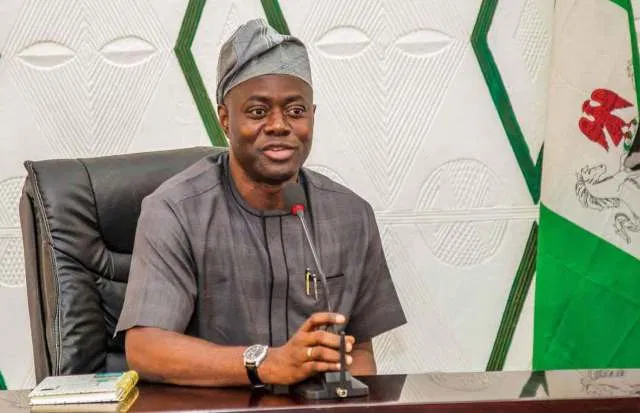
The 2027 proposal, tagged Budget of Sustained Progress, was presented to the Oyo State House of Assembly by Governor Seyi Makinde on November 10.
THE ISSUES
The proposed 60:40 split between capital and recurrent spending places a larger share of Oyo’s budget on infrastructure and other development projects.
Capital expenditure covers investments such as roads and other public infrastructure, while recurrent spending includes salaries, administrative costs and the day-to-day running of government services.
However, allocating a large share to capital projects does not automatically guarantee their completion. The government’s ability to release funds, manage contracts and monitor implementation will determine whether the proposed spending translates into completed infrastructure and improved public services.
The planned minimum 10 per cent annual growth in internally generated revenue is another important target. If achieved, it could increase the state’s capacity to finance projects and reduce pressure on other sources of funding.
The government will also need to balance its infrastructure ambitions with the cost of maintaining public services and meeting recurrent obligations.
WHAT’S NEXT
The proposal will proceed through the state legislature’s budget consideration and approval process.
Ayanleke also reviewed the state’s 2026 budget performance between January and September, reporting total revenue of ₦618.72 billion. This comprised ₦401.44 billion in recurrent revenue and ₦217.28 billion in capital receipts.
The government will need to demonstrate how the proposed 2027 allocations translate into actual project delivery and revenue growth.
BOTTOM LINE
Oyo’s proposed ₦1.1 trillion budget places infrastructure at the centre of its development plans, with ₦670.03 billion earmarked for capital expenditure. Its success will depend on revenue mobilisation, spending discipline and the timely completion of funded projects.