By Boluwatife Oshadiya | July 20, 2026
Key Points
- Brent crude climbed above $90 per barrel as escalating tensions between the United States and Iran heightened fears of supply disruptions
- The Strait of Hormuz, which carries about 20% of global oil trade, remains at the centre of market concerns over crude exports
- Analysts warn that tighter shipping activity and already constrained global inventories could push oil prices even higher if hostilities persist
Main Story
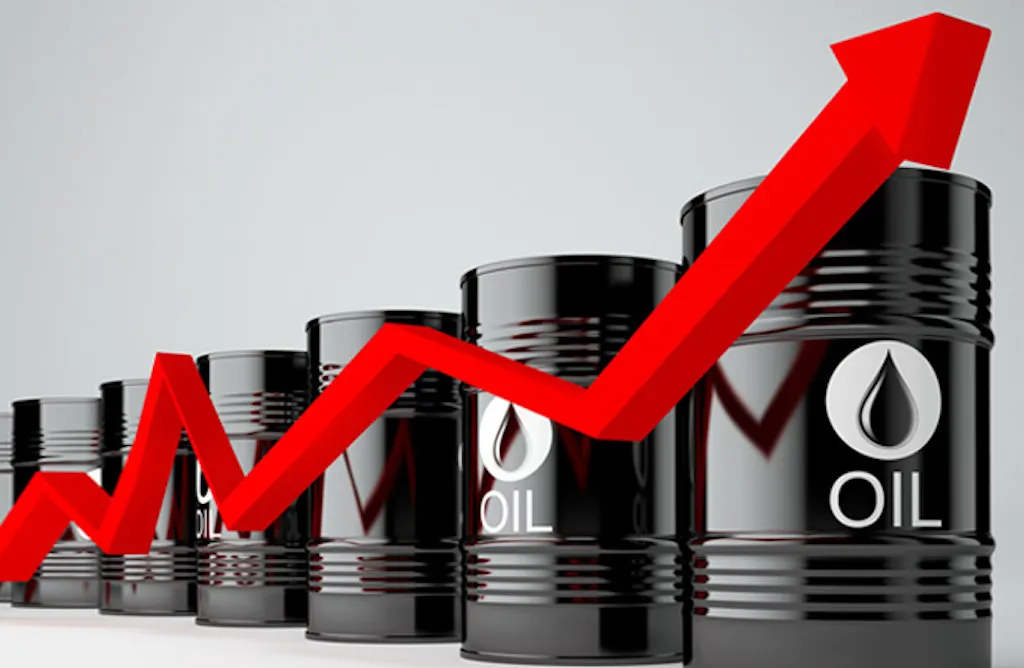
Global oil prices extended their rally on Monday, with Brent crude rising above $90 per barrel for the first time in weeks after renewed military exchanges between the United States and Iran intensified concerns over disruptions to energy supplies from the Middle East.
International benchmark Brent crude traded at $90.56 per barrel, up 2.8% from the previous close of $88.10, while U.S. benchmark West Texas Intermediate (WTI) gained 2.5% to $83.79 per barrel from $81.78.
The latest surge followed reports of U.S. airstrikes on targets in Iran’s Hormozgan Province, including areas around Sirik and Hajiabad, over the weekend. According to Iranian media reports, no casualties or significant damage to civilian infrastructure were recorded. However, the strikes have renewed concerns over the security of the Strait of Hormuz, a strategic shipping route through which roughly one-fifth of the world’s crude oil and petroleum products are transported.
The U.S. military’s Central Command (CENTCOM) confirmed that the latest strikes were carried out under orders from President Donald Trump. Meanwhile, Iran’s Atomic Energy Organisation said the attacks also targeted the Darkhovin nuclear power plant, which is still under construction in the country’s southwest.
Market analysts said the latest escalation comes at a time when global crude inventories remain relatively tight, increasing the risk of sustained price volatility should the conflict further disrupt oil exports or shipping activities in the Gulf region.
What’s Being Said
“The U.S. attack on the Darkhovin power plant, which is under construction, constitutes a dangerous assault on Iran’s peaceful infrastructure,” Kazem Gharibabadi, Iran’s Deputy Foreign Minister, said in a statement.
Analysts said markets have yet to fully price in the potential impact of prolonged disruptions to oil exports through the Strait of Hormuz, noting that reduced shipping traffic in the area could further tighten global supply and support higher crude prices in the coming weeks.
What’s Next
- Global markets will closely monitor developments in the U.S.-Iran conflict for any signs of further military escalation.
- Traders will watch shipping activity through the Strait of Hormuz for indications of potential disruptions to crude exports.
- Energy analysts expect oil prices to remain highly volatile as geopolitical risks continue to influence market sentiment.
Bottom Line: The latest geopolitical escalation has once again underscored the oil market’s sensitivity to supply risks in the Middle East. While physical disruptions to crude exports have yet to materialise, sustained tensions around the Strait of Hormuz could keep oil prices elevated, with implications for global inflation, energy costs and fuel-importing economies such as Nigeria.