








Key points
- The Nigerian Technical Aid Corps (NTAC) says its technical assistance programme is enhancing Nigeria’s global reputation through skills transfer and diplomacy.
- More than 10,000 Nigerian professionals have been deployed to over 40 countries across Africa, the Caribbean and the Pacific in the last 39 years.
- NTAC says Nigerian experts have strengthened education, healthcare, legal systems and public institutions in beneficiary countries.
- The agency described the programme as one of Africa’s most successful South-South cooperation initiatives.
- Civil society organisations called for stronger partnerships with government institutions to promote accountability, transparency and sustainable development.
Main Story
The Nigerian Technical Aid Corps (NTAC) has said its technical assistance programme is strengthening Nigeria’s international image by deploying skilled professionals to support development and deepen diplomatic relations across Africa, the Caribbean and the Pacific.
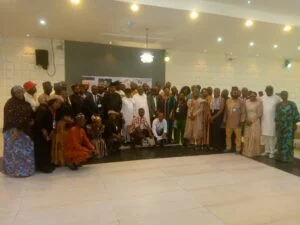
The Director-General of NTAC, Dr Yusuf-Buba Yakub, stated this on Tuesday in Abuja during a one-day stakeholders’ engagement between Civil Society Organisations (CSOs) and Ministries, Departments and Agencies (MDAs), organised by the Civil Society Group for Good Governance (CSGGG) in collaboration with the Integrity Advocacy for Development Initiative (IADI).
Speaking on the theme, “X-raying the Achievements, Challenges and Prospects of the Nigerian Technical Aid Corps in Sustaining International Cooperation and Technical Assistance through Soft Power Diplomacy,” Yakub said the agency had deployed more than 10,000 Nigerian professionals to over 40 countries during its 39 years of operation.
According to him, Nigerian academics have strengthened universities in partner countries by supervising postgraduate research, introducing new academic programmes and improving educational standards, while Nigerian medical professionals have enhanced healthcare delivery, particularly in underserved communities.
He added that legal experts deployed under the scheme had contributed to judicial reforms, legislative drafting and institutional development, citing the example of a former NTAC volunteer who drafted the legislative code currently used by The Gambia’s Parliament.
Yakub described the Technical Aid Corps as one of Africa’s most successful models of South-South cooperation, enabling developing countries to exchange expertise and technical knowledge without relying solely on support from developed nations.
He noted that Nigeria currently serves on the 27-member steering committee of the Total Official Support for Sustainable Development (TOSSD), underscoring the country’s growing influence in international development cooperation.
The NTAC Director-General said the programme had expanded significantly under the administration of President Bola Tinubu, with hundreds of Nigerian professionals currently serving in beneficiary countries and additional deployments planned before the end of the year.
He maintained that beyond skills transfer, the programme has promoted regional stability, strengthened bilateral relations, enhanced Nigeria’s international reputation and supported the country’s foreign policy objectives through soft power diplomacy.
Also speaking, a civil society resource person, Mr Okpanachi Jacob, identified equality, solidarity, sovereignty and demand-driven partnerships as the guiding principles of South-South cooperation, while noting that leadership challenges, insecurity, corruption and ideological differences continue to hinder collaboration among developing countries.
Earlier, the Executive Director of IADI, Mr Ofomhi Christopher, said the engagement reflected a shared commitment by government institutions and civil society organisations to deepen collaboration in advancing transparency, accountability and citizen participation in governance.
The Issues
Sustaining Nigeria’s influence through soft power diplomacy requires continued investment in technical cooperation programmes.
Leadership challenges, insecurity, corruption and ideological differences remain obstacles to effective South-South cooperation.
Stronger collaboration between government institutions and civil society is essential to improving transparency, accountability and sustainable development.
Expanding technical assistance programmes could further strengthen Nigeria’s diplomatic and development partnerships across developing nations.
What’s Being Said
Dr Yusuf-Buba Yakub, Director-General, Nigerian Technical Aid Corps
“More than 10,000 Nigerian professionals have been deployed to over 40 countries across Africa, the Caribbean and the Pacific in the past 39 years.”
“Many universities, hospitals and technical institutions owe significant improvements to Nigerian experts deployed under the TAC scheme.”
“We have consistently promoted regional stability, enhanced Nigeria’s international reputation, supported African integration, pursued cost-effective foreign policy and strengthened bilateral relations.”
Mr Okpanachi Jacob, CSO Resource Person
“The core principles of South-South cooperation include equality, solidarity, sovereignty and demand-driven partnerships.”
Mr Ofomhi Christopher, Executive Director, IADI
“Civil society organisations remain critical stakeholders in promoting transparency, accountability, policy advocacy and citizen participation in governance.”
What’s Next
NTAC is expected to continue deploying Nigerian professionals to beneficiary countries while expanding its technical assistance programme under Nigeria’s foreign policy agenda.
The agency also plans to strengthen collaboration with civil society organisations and international partners to promote South-South cooperation, institutional development and sustainable development across participating countries.
Bottom Line
NTAC says its technical assistance programme has become a key instrument of Nigeria’s soft power diplomacy, using the expertise of thousands of professionals to strengthen international partnerships, promote development and enhance the country’s global standing.










 has said its technical assistance programme is strengthening Nigeria’s international image...)