








Key points
- The Nigeria Hydrological Services Agency (NIHSA) has issued a seven-day flood advisory covering 17 states between July 21 and July 27.
- The agency attributed the alert to rising water levels at key river monitoring stations across the country.
- Bauchi State was identified as the most vulnerable, with over 1,800 communities potentially at risk.
- NIHSA urged governments, emergency agencies and residents to activate precautionary measures immediately.
- The advisory comes amid renewed concerns over flooding during the 2026 rainy season.
Main Story
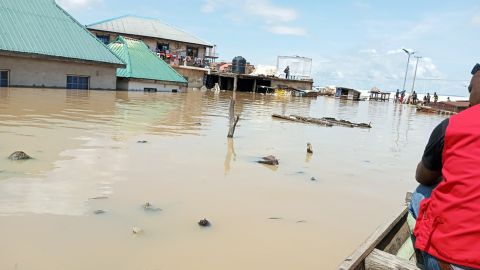
The Nigeria Hydrological Services Agency (NIHSA) has issued a seven-day flood advisory warning that 17 states face a medium flood risk between July 21 and July 27 following rising water levels at major river monitoring stations across the country.
The advisory, contained in the agency’s National Flood Advisory (Alert No. NFA-2026-200) and signed by the Director General, Umar Mohammed, warned that increasing river levels could trigger localized flooding along river channels and floodplains in vulnerable communities.
According to NIHSA, the states covered by the latest advisory are Adamawa, Bauchi, Benue, Borno, Edo, Gombe, Imo, Jigawa, Kaduna, Kano, Kebbi, Nasarawa, Niger, Plateau, Taraba, Yobe and Zamfara.
The agency explained that water levels at several key monitoring stations, including Saminara on the Karam River, Waya Dam Site on the Waya River, and Amber on the Amber River, had exceeded established watch and warning thresholds.
It added that 16 gauging stations nationwide are currently recording elevated river levels, increasing the likelihood of flooding in nearby communities.
NIHSA identified Bauchi State as the most vulnerable, noting that 1,841 communities, 145 schools, 101 health facilities and eight markets could be affected if water levels continue to rise.
The agency also highlighted vulnerable communities and public infrastructure in Edo, Imo, Kaduna, Plateau and Benue states.
To reduce potential impacts, NIHSA urged state governments, local authorities and residents in flood-prone areas to activate precautionary measures without delay.
The agency advised the National Emergency Management Agency (NEMA), State Emergency Management Agencies (SEMAs), local governments and community leaders to activate emergency response plans and pre-position relief materials, including food supplies, medical items and water treatment resources.
Residents living in flood-prone communities were advised to relocate people, livestock and valuables to safer locations and avoid walking, driving or riding through flooded roads and waterways.
Authorities were also urged to clear blocked drains, culverts and waterways to improve drainage and reduce the risk of flooding.
NIHSA further encouraged the public to monitor its daily flood forecasts and advisories throughout the forecast period.
The latest warning comes as Nigeria continues to experience heavy rainfall during the 2026 rainy season, with several states already recording flash floods that have disrupted transportation, damaged infrastructure and displaced residents.
It also follows recent forecasts by the Nigerian Meteorological Agency (NiMet) warning of widespread rainfall, thunderstorms and localized flooding across parts of the country.
The Issues
Flooding remains one of Nigeria’s most persistent natural disasters, with recurring incidents causing loss of lives, destruction of property, displacement of communities and damage to critical infrastructure.
Experts have attributed the growing impact of floods to rapid urbanisation, blocked drainage systems, encroachment on wetlands and inadequate flood-control infrastructure.
The latest advisory highlights the importance of early warning systems and coordinated emergency preparedness to minimise the humanitarian and economic consequences of flooding.
What’s Being Said
Director General of NIHSA, Umar Mohammed, said the seven-day advisory was issued following rising water levels at key river monitoring stations, increasing the likelihood of localized flooding along river channels and floodplains.
He urged governments and emergency agencies to activate response plans immediately while advising residents in vulnerable communities to relocate to safer locations and remain alert to official flood updates.
Mohammed also called on authorities to clear blocked drainage channels and ensure emergency supplies are positioned in communities at risk.
What’s Next
State governments, emergency management agencies and local authorities are expected to intensify flood preparedness efforts over the next seven days by implementing evacuation plans, monitoring river levels and supporting vulnerable communities.
NIHSA will continue issuing daily flood updates, while residents in affected areas are expected to follow official advisories and take necessary precautions as the rainy season progresses.
Bottom Line
NIHSA’s latest advisory underscores the heightened flood risk facing several parts of Nigeria during the peak of the rainy season. While the alert does not predict severe nationwide flooding, it serves as an early warning for governments and residents to take proactive measures to safeguard lives, property and critical infrastructure.



 has issued a seven-day flood advisory warning that 17 states face a medium flood ...)