






By Boluwatife Oshadiya | July 23, 2026
Key Points
- Nigeria plans to increase exports to China by leveraging Beijing’s zero-tariff policy for eligible African products
- Bilateral trade between Nigeria and China stands at about $28 billion, with Nigeria contributing only about $3 billion in exports
- The Nigerian Embassy in China is working to help exporters understand and comply with the policy’s requirements
Main Story
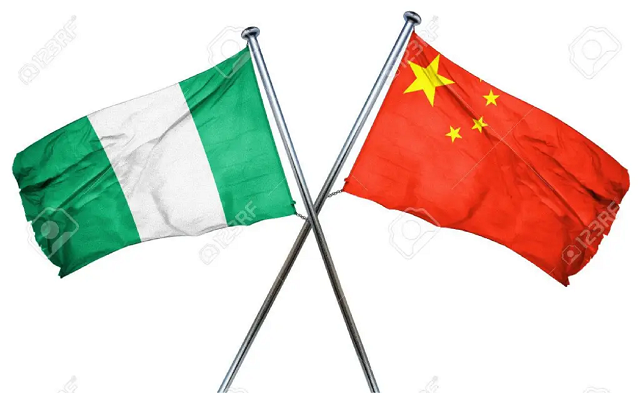
Nigeria is stepping up efforts to reduce its trade imbalance with China by maximising Beijing’s zero-tariff policy and expanding the country’s export footprint in the Chinese market, Nigeria’s Ambassador to China, Abdulrahman Dambazau, has said.
Speaking in Beijing during an interview with members of the Nigerian delegation attending the African Mainstream Media Workshop organised by the International Department of the Communist Party of China on Thursday, Dambazau said bilateral trade between both countries is valued at approximately $28 billion, but Nigeria accounts for only about $3 billion of that volume through exports.
The ambassador described the disparity as a significant concern and stressed the need for deliberate measures to strengthen Nigeria’s export capacity, particularly in agriculture and value-added products.
“We have to study the policy itself, understand the conditions and requirements and then take the information to our farmers, traders and exporters so they can take advantage of it,” Dambazau said.
He disclosed that the Nigerian Embassy in Beijing has already begun engaging relevant Chinese authorities to better understand the implementation framework of the zero-tariff policy while creating awareness among Nigerian businesses that can benefit from the initiative.
According to him, Nigeria must improve production capacity, enhance product quality and increase value addition if local exporters are to compete effectively in the Chinese market. He added that the embassy would continue collaborating with government agencies and the private sector to ensure the country derives greater economic benefits from its trade relationship with China.
China recently expanded its zero-tariff policy for eligible products from several African countries, a move aimed at boosting trade and strengthening economic cooperation under the Forum on China-Africa Cooperation (FOCAC). The initiative presents new opportunities for Nigerian exporters, particularly in agriculture, solid minerals and manufactured goods, provided they meet China’s quality and regulatory standards.
What’s Being Said
Dambazau said Nigeria’s immediate priority is to ensure exporters fully understand the requirements of China’s zero-tariff regime.
“We have to study the policy itself, understand the conditions and requirements and then take the information to our farmers, traders and exporters so they can take advantage of it,” he said.
Trade analysts have consistently argued that Nigeria must diversify beyond crude oil exports and improve the competitiveness of its non-oil products to fully benefit from preferential trade arrangements with major global markets such as China.
What’s Next
- Nigerian authorities are expected to intensify sensitisation programmes for exporters on China’s zero-tariff requirements.
- The Nigerian Embassy in Beijing will continue discussions with Chinese authorities on implementing the policy and improving market access for Nigerian products.
- Government agencies and private sector stakeholders are expected to strengthen export value chains and improve product standards to increase Nigeria’s share of bilateral trade.
The Bottom Line: China’s zero-tariff policy presents Nigeria with a rare opportunity to narrow its long-standing trade deficit with its largest trading partner. However, unlocking its full benefits will depend on the country’s ability to improve production, meet international quality standards and expand non-oil exports.