









Key Points
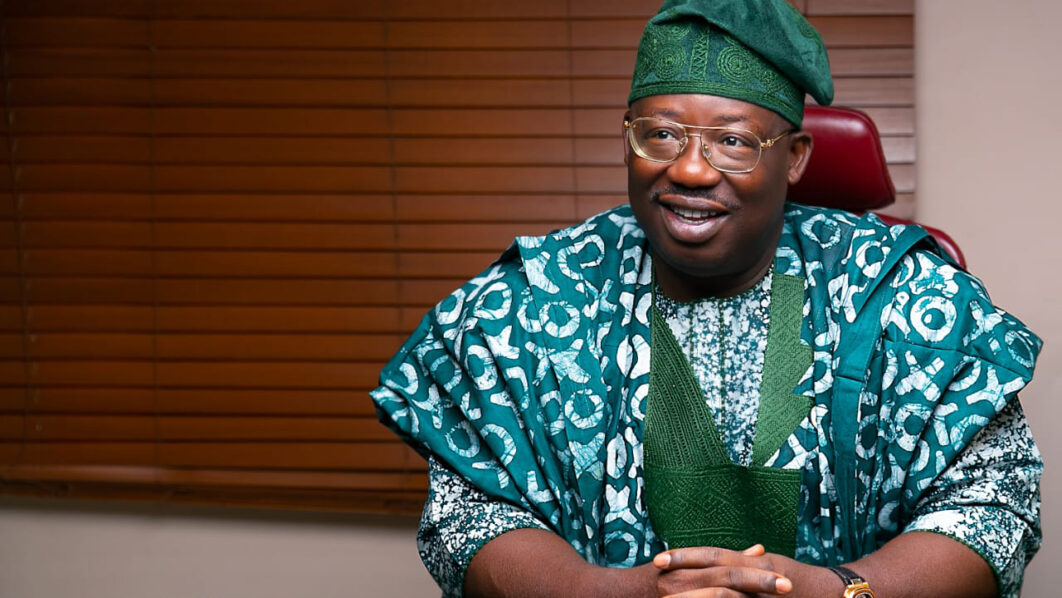
- Dele Oye, Chairman of the Alliance for Economic Research and Ethics (AERE), stated that Nigeria has failed to capitalise on global oil prices exceeding $100 per barrel.
- The gap between Nigeria’s budget benchmark of $64.85 and current prices represents a theoretical annual windfall of N28.3 trillion.
- Low production remains a critical barrier, with the country pumping 1.46 million barrels per day (bpd) against a target of 1.84 million bpd.
- Experts warn that much of the current crude production is already pledged to creditors and refineries, leaving little “extra” revenue for the federation.
Main Story
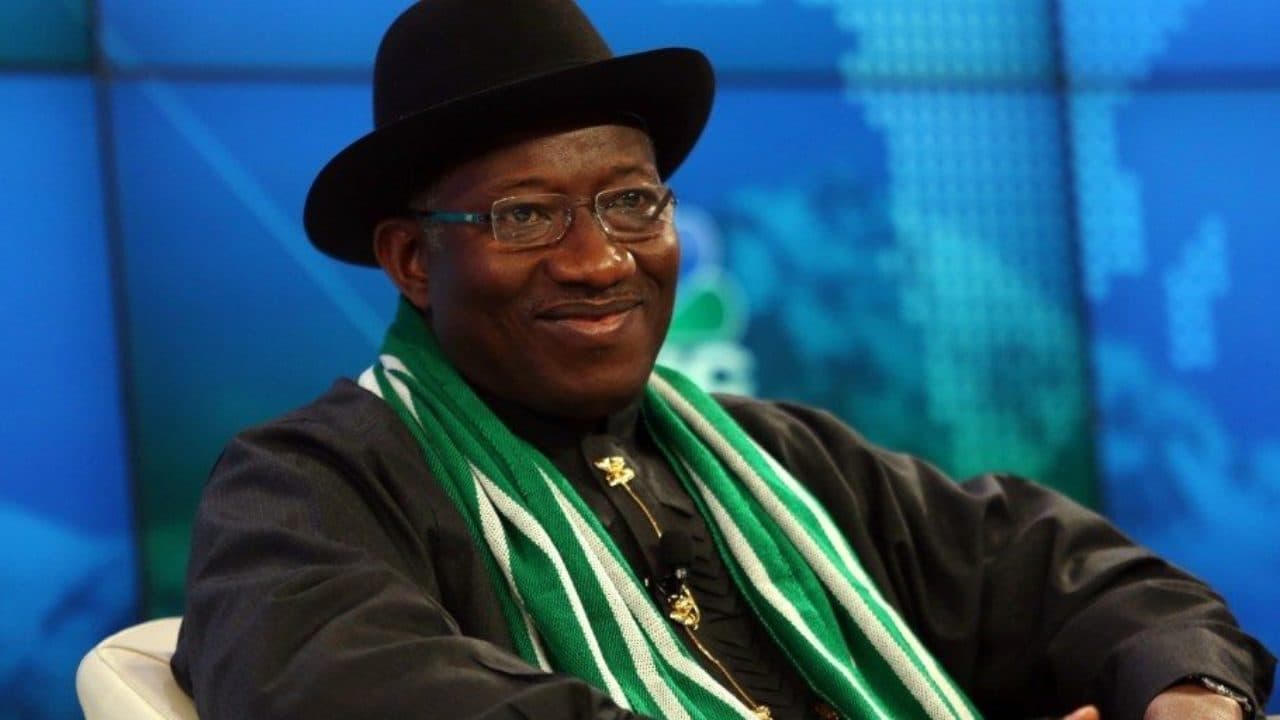
The Chairman of the Alliance for Economic Research and Ethics (AERE), Dele Oye, reported that Nigeria has missed a major economic opportunity to capitalise on the recent surge in global oil prices triggered by ongoing Middle East tensions.
Oye, the immediate past chairman of the Organised Private Sector of Nigeria (OPSN), noted that while the conflict has opened a window of revenue,
Nigeria risks watching billions slip through its fingers without production discipline. He described the situation as a painful paradox where high global oil prices have not translated into filled national pockets.
During a recent statement, Oye explained that with Brent crude trading between $102 and $114 per barrel, Nigeria should be seeing a massive premium over its budget benchmark.
However, he lamented that the reality of a 380,000 bpd production shortfall has made the projected revenue a mirage.
He further noted that during previous price surges, such as the Russia-Ukraine war, Nigeria captured very little due to low production and subsidy drains.
Oye emphasised that even promised additions to production levels remain a “drop in the ocean” compared to the existing output gap.
The Issue
The primary challenge identified is the inability to meet production targets while much of the current output is already committed to debt servicing and local refineries. This production crisis prevents the country from funding critical needs such as strategic petroleum reserves, fertiliser subsidies for the upcoming planting season, and CNG conversion kits. Furthermore, the reliance on external shocks to drive the economy is seen as unsustainable. Oye warned that unless the foundations of the economy are strengthened to withstand both “boom and gloom,” Nigeria will continue to struggle regardless of how expensive oil becomes on the global market.
What’s Being Said
- “The paradox is painful: oil is expensive, but our pockets remain empty,” stated Dele Oye regarding the current market trends.
- He compared the production shortfall to “cooking soup without meat,” noting that the missing 380,000 barrels daily undermines the entire national budget.
- Oye cautioned against the “subsidy trap,” noting that a nation that “eats its seed yam during planting season will starve at harvest.”
- He argued that the current energy price shock is a test of policy resilience, urging the government to build long-term strength rather than seeking quick fixes.
What’s Next
- Stakeholders are calling for the sale of crude to local refineries in naira to ease the ongoing pressure on foreign exchange.
- There is an urgent push to secure oil assets to close the production gap before the window of high prices closes.
- Observers are looking for the introduction of flexible fuel taxes that can shrink when global prices surge to protect consumers.
- The government is being urged to ring-fence any temporary windfalls into the Sovereign Wealth Fund and the Excess Crude Account to build fiscal buffers.
Bottom Line
Nigeria finds itself in a position where high oil prices provide no relief because the country cannot meet its own production quotas. Without fixing the underlying issues of oil asset security and production discipline, the multi-trillion naira windfall triggered by global conflict will remain a theoretical calculation rather than a practical economic liferaft.






, Dele Oye, reported that Nigeria has missed a major economic opportunity)