







By Boluwatife Oshadiya | March 12, 2026
Key Points
- Naira appreciates nearly 2 percent at official FX window to ₦1,376/$
- Nigeria’s foreign reserves surpass $50 billion for first time since 2009
- Improved FX liquidity boosts confidence in currency market
Main Story
The Nigerian naira strengthened sharply against the US dollar on Wednesday after the country’s foreign exchange reserves climbed above $50 billion for the first time in more than 15 years, according to data published by the Central Bank of Nigeria (CBN).
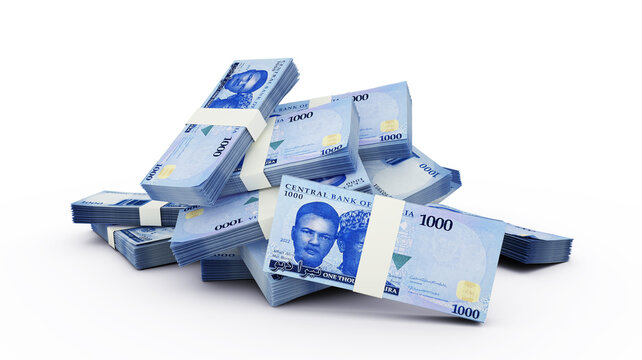
Official foreign exchange data showed the naira appreciated nearly two percent to ₦1,376.19 per dollar, compared with ₦1,401 per dollar in the previous trading session.
Intraday trading at the official market reflected improved liquidity conditions, with transactions recorded at a low of ₦1,373 and a high of ₦1,388 per dollar.
The currency also gained in the parallel market, where the naira strengthened to around ₦1,393 per dollar, signalling improved sentiment across both official and informal foreign exchange segments.
Analysts attribute the stronger currency partly to a surge in Nigeria’s gross external reserves, which have now surpassed $50 billion — the highest level recorded since January 2009.
The increase in reserves is widely linked to stronger crude oil receipts, improved diaspora remittance inflows, and tighter monetary policy measures implemented by the Central Bank to stabilise the currency market.
Nigeria’s foreign reserves serve as a key buffer for the economy, allowing the central bank to intervene in the foreign exchange market to manage volatility and support the naira.
What’s Being Said
“The rise in reserves improves the central bank’s ability to manage liquidity in the foreign exchange market and supports confidence in the naira,” said Bismarck Rewane, Chief Executive Officer of Financial Derivatives Company.
“However, sustaining currency stability will require consistent FX inflows from oil exports, foreign investment, and remittances,” Rewane added.
What’s Next
- Investors are watching the next Monetary Policy Committee meeting, where interest rate decisions could influence FX stability
- Analysts expect the CBN to continue interventions aimed at improving liquidity in the official FX market
- Global oil price movements and foreign portfolio flows will remain key drivers of Nigeria’s external reserves