





Key Points
- A Lagos cardiologist has raised concerns about hypertension among Nigerians aged 28 to 35.
- Undiagnosed high blood pressure can increase the risk of serious heart complications and premature death.
- Regular medical check-ups, healthier diets and reduced salt intake can help lower cardiovascular risks.
- People with a family history of hypertension are encouraged to monitor their blood pressure regularly.
Main Story
High blood pressure is increasingly affecting young Nigerians, raising concerns among medical experts about preventable heart complications and sudden deaths.
A consultant cardiologist at the Lagos State University Teaching Hospital (LASUTH), Dr Badru Abodunde, has called for greater public awareness, preventive healthcare and early diagnosis to reduce hypertension-related complications among young adults.
Abodunde made the call in an interview with the News Agency of Nigeria (NAN) in Lagos on Thursday. He expressed concern about the growing number of patients aged between 28 and 35 who are being diagnosed with the condition.
According to the cardiologist, hypertension was previously more commonly associated with older adults, particularly those aged 45 and above. However, he said younger Nigerians were increasingly presenting with high blood pressure.
He warned that people who have hypertension without knowing it may face serious health consequences because the condition often develops without obvious symptoms.
“Hypertension is a silent killer,” the cardiologist said, noting that some young adults wrongly assume they are too young to develop cardiovascular diseases.
Abodunde also raised concerns about reports of young men experiencing cardiac arrest during physical activities, including tennis and jogging, as well as while resting or sleeping.
He explained that some sudden deaths linked to heart conditions might be prevented through early diagnosis, regular medical assessments and appropriate treatment.
However, not every cardiac arrest is caused by hypertension, making proper medical evaluation important for identifying underlying heart problems.
The Issues
One major challenge is that many young Nigerians do not consider routine medical check-ups necessary unless they feel sick.
This attitude can allow high blood pressure to remain undetected for long periods. Because hypertension may not cause noticeable symptoms, a person can feel healthy while the condition gradually damages blood vessels and increases the risk of heart disease, stroke and kidney problems.
Poor dietary habits, excessive salt consumption, alcohol use, stress and physical inactivity can also contribute to cardiovascular risks. Family history may increase a person’s likelihood of developing hypertension.
Another concern is the assumption that regular exercise automatically means someone has a healthy heart. Although physical activity supports cardiovascular health, it does not rule out high blood pressure or other underlying medical conditions.
What’s Being Said
Abodunde urged Nigerians to begin regular medical assessments from around age 28, stressing that people should not wait for symptoms before checking their health.
He also advised young adults to understand their blood pressure status before engaging in strenuous physical activities, particularly if they have existing health concerns or a family history of cardiovascular disease.
The cardiologist recommended reducing salt and alcohol consumption, managing stress and adopting healthier daily habits.
He encouraged people to eat balanced meals containing fruits, vegetables, whole grains, lean protein, nuts and seeds while limiting foods high in sodium, added sugars and saturated fats.
People with a family history of hypertension should pay particular attention to their blood pressure and maintain regular consultations with qualified healthcare professionals.
What’s Next
Public health education, accessible screening services and routine medical assessments will be important in identifying hypertension earlier among young Nigerians.
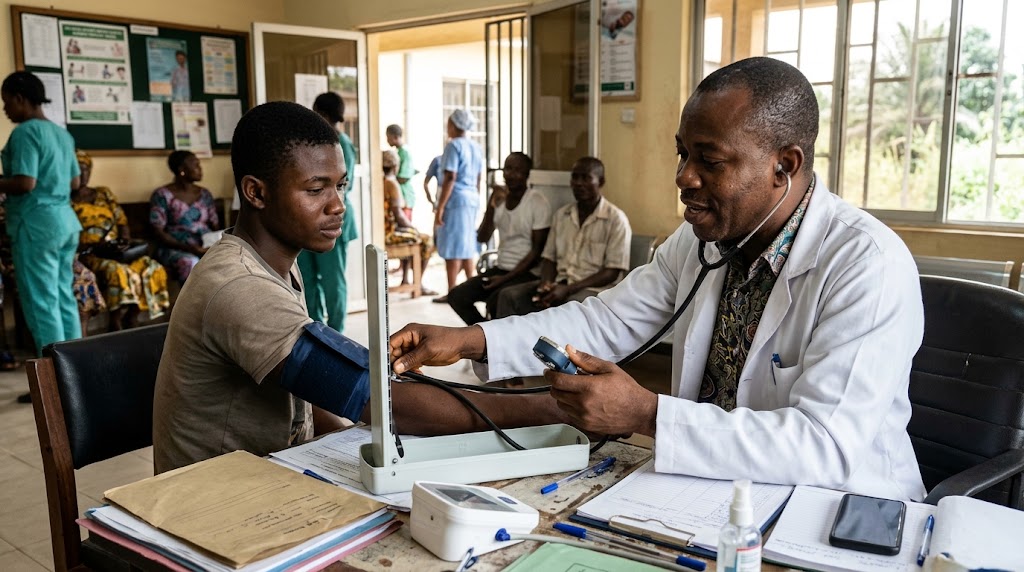
Individuals can take a practical first step by checking their blood pressure at a healthcare facility and discussing the results with a health professional. Those diagnosed with hypertension should follow their prescribed treatment and avoid stopping medication without medical advice.
Bottom Line
Hypertension is not only a condition affecting older people. Young Nigerians can also develop high blood pressure without obvious warning signs.
Regular screening, healthier lifestyle choices and early treatment can help reduce the risk of serious complications. Knowing your blood pressure status today could make a significant difference to your long-term health.