






By Annette Ikponmwonba | October 19, 2026
Key Points
· The Federal Government’s petrol price relief package could cost up to 0.4 per cent of GDP, about N1.77tn, according to BMI, a Fitch Solutions company
· BMI’s estimate is 0.2 to 0.4 per cent of GDP, assuming the measures are removed in early Q2 2027
· The N883bn to N1.77tn range is own calculation, based on the NBS 2025 nominal GDP of about N441.5tn
· The 30-day intervention was announced on October 8 by Finance Minister Taiwo Oyedele, requiring NNPC retail outlets to sell petrol at cost
· BMI expects the discount to last about six months, extending into early 2027
· The firm warned of risks to government revenue, the naira, investor confidence and the Dangote Refinery’s planned IPO
Main Story
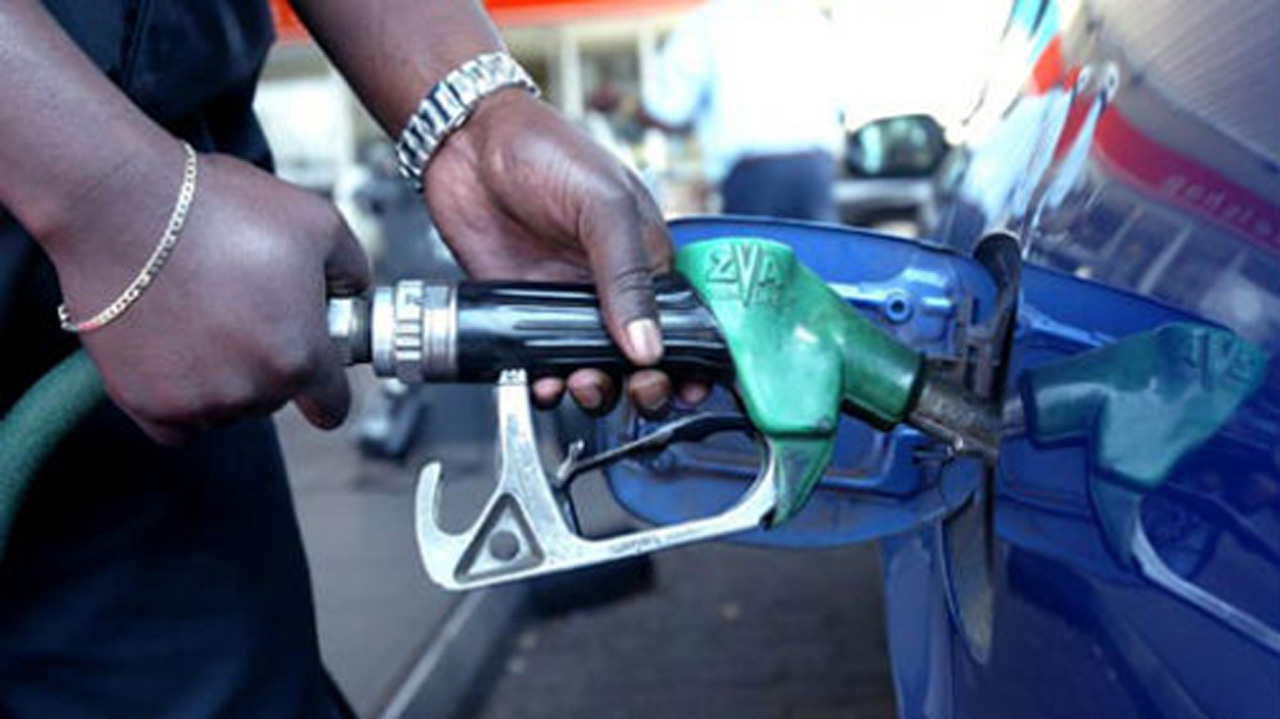
The Federal Government’s petrol price relief package could cost Nigeria up to 0.4 per cent of its Gross Domestic Product, equivalent to about N1.77tn, as concerns mount over the intervention’s fiscal implications ahead of the 2027 general elections. BMI, a Fitch Solutions company, disclosed this in its latest report, titled “Fuel Discount Mechanism Raises Macro Risks in Nigeria,”
The research firm warned that the intervention could worsen Nigeria’s fiscal position, weaken government revenue and trigger renewed pressure on the naira if sustained beyond its intended period. BMI said the government has not disclosed the cost, but its initial estimates put it at around 0.2 to 0.4 per cent of GDP, assuming the measures end in early Q2 2027. The analysis, using the NBS 2025 nominal GDP figure of about N441.5tn, put the range at N883bn to N1.77tn. This is an indicative naira conversion by the newspaper, not a figure published directly by BMI.
The report followed the October 8 announcement by Finance Minister Taiwo Oyedele of a 30-day intervention requiring NNPC retail outlets to sell petrol at cost without profit margins. The government also proposed a wholesale benchmark of N1,350 per litre, with refiners and importers absorbing costs above that level and recovering losses when crude prices fall. Other measures include forward crude sales to domestic refineries, a national strategic fuel reserve, expanded cash transfers and support for vulnerable households.
The Issues
Although the government set a 30-day timeline, BMI expects the mechanism to stay in place for roughly six months, before being phased out in late Q1 or early Q2 2027. That projection partly reflects an expected fall in global crude prices if the US and Iran reach an agreement in the first quarter of 2027. BMI also kept its forecast that the budget deficit will widen from 1.7 per cent of GDP in 2025 to 3.3 per cent in 2026.
BMI acknowledged that the arrangement differs from the old subsidy regime, under which the government absorbed the gap between regulated pump prices and market costs. Now NNPC forgoes its retail margin while pump prices reflect underlying costs. Even so, the firm warned of significant risks if it becomes entrenched, including lower NNPC remittances, weaker fiscal credibility, higher borrowing costs and a heavier debt-service burden.
There are also foreign exchange risks. Cheaper petrol could encourage cross-border smuggling, raising import needs and dollar demand, which could trigger shortages and pressure the naira. Fears of a reversal of reforms could also deter foreign portfolio investment.
What’s Being Said
BMI said: “We see significant macroeconomic risks if the NNPC fuel discount mechanism is not removed and instead becomes entrenched.” It also stated: “We expect the discount mechanism to remain in place for roughly six months before being phased out in late Q1 or early Q2 2027.”
The firm flagged risks to the Dangote Refinery and its IPO, saying greater government intervention in pricing could weaken investor confidence. It noted that requiring suppliers to sell at cost without a clear way to recover forgone profits could hurt profitability and push refiners toward exports. It described the forward sale of crude to domestic refineries as a more promising measure, despite past implementation challenges.
The government has said the discount is not a return of fuel subsidy and that no public funds are being used. It said the discount is funded by NNPC Retail Limited’s decision to reduce its profit margin, not by budget or Federation Account payments.
What’s Next
Attention will turn to whether the 30-day period is extended and how the government plans to phase out the measure. BMI’s expectation of a six-month run means the relief could stretch into the election period, Observers will also watch NNPC’s remittances, the naira, and the progress of the forward crude sales and strategic fuel reserve plans. The Dangote Refinery IPO may also be affected if investor confidence is shaken.
Bottom Line
BMI is warning that the petrol discount, though framed as costing no public money, could become a costly fiscal and currency risk if it outlasts its 30-day window, with real consequences for revenue, the naira and investor confidence ahead of the 2027 elections.