




KEY POINTS
- The Federal Government has completed foundational procurement training for 350 officers from federal agencies and some state institutions.
- Officers must pass examinations to receive certificates, with those who fail given two further attempts before possible redeployment.
- New measures include penalties for contractors who fail to meet their obligations and a 14-day period for bidders to challenge contract decisions.
- The government plans to promote locally made products and reserve some contracts for women-owned businesses, young people, veterans and persons with disabilities.
- The Bureau of Public Procurement says senior government officials must support trained officers to ensure the rules are followed.
MAIN STORY
The Federal Government has completed the first phase of mandatory foundational training for 350 procurement officers as part of efforts to improve transparency, prevent corruption and ensure public money is spent properly.
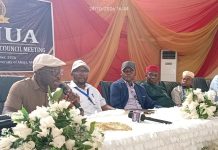
Director-General of the Bureau of Public Procurement (BPP), Dr Adebowale Adedokun, disclosed this on Saturday at the closing ceremony of the three-week programme held at the Petroleum Technology Development Fund Centre for Skills Development and Training in Port Harcourt.
According to the media reports, the training covered officers from federal ministries, departments and agencies, as well as some state institutions. It was designed to give participants the basic knowledge required before they proceed to more advanced procurement courses.
Adedokun urged the officers to act with integrity, resist corruption and protect public funds. He said they should also advise political leaders and senior government officials on the correct procedures for awarding public contracts.
Participants will sit examinations to test their understanding of procurement rules. Those who pass will receive certificates, while those who fail will have two additional attempts. Officers who do not pass after those attempts could be redeployed from the procurement cadre.
The BPP director-general said the government was making professional procurement training a formal requirement for officers entering the field. Universities had also been directed to introduce degree programmes in sustainable procurement, with the first graduates expected within three years.
The reforms include a Nigerian First policy intended to encourage government agencies to buy quality goods and services made in Nigeria. The products identified include vehicles, textiles, information technology equipment, solar products and medical devices.
The government expects increased public purchases of locally made products to support domestic manufacturers and create jobs.
Adedokun also announced measures targeting contractors who fail to honour their agreements. Under the debarment policy, contractors and service providers whose failures cause financial losses could face sanctions that prevent them from securing public contracts.
Electronic procurement is another part of the reforms. It is intended to allow contractors to take part in bidding remotely, reducing the need to travel to government offices to participate in the process.
The BPP has also introduced community-based procurement to give local contractors opportunities to execute contracts valued between ₦2 million and ₦10 million.
To give unsuccessful bidders an opportunity to challenge decisions, the bureau has introduced a 14-day waiting period after bids have been evaluated and before contracts are awarded. During this period, bidders can raise objections to the outcome.
Adedokun further said the government-funded SPACI online training platform would provide free procurement training during its first two years.
The reforms also include measures to reserve a percentage of public contracts for women-owned businesses, young people, veterans and persons with disabilities. Adedokun said these opportunities would be provided without lowering quality requirements.
Participants also signed codes of conduct committing themselves to professional behaviour, fair treatment of bidders and zero tolerance for fraud.
Meanwhile, BPP Head of Training and programme coordinator, Nelson Ujogbo, described the training as demanding but rewarding. He praised the participants for their commitment but warned that applying what they had learnt in their workplaces could be difficult without support from senior management and accounting officers.
THE ISSUES
Public procurement determines how government agencies spend money on goods, construction and services. Weak oversight can lead to inflated costs, poor-quality projects, unfinished work and losses to taxpayers.
Training procurement officers is one step towards reducing these risks, but its effectiveness will depend on whether officers can apply the rules without interference. The BPP’s warning about the need for support from senior officials highlights a practical challenge: trained officers may struggle to enforce proper procedures if those responsible for approving spending do not back them.
The new 14-day waiting period could also give unsuccessful bidders an opportunity to question decisions before contracts are finalised. Its value will depend on whether complaints are handled fairly and promptly, without creating unnecessary delays.
The Nigerian First policy could provide a more reliable market for local manufacturers if government agencies buy products that meet required standards. However, the policy’s impact will depend on the quality, availability and price of locally made alternatives.
Similarly, reserving some contracts for underrepresented groups could widen access to public business. Clear rules and effective monitoring will be important to ensure that the opportunities reach eligible businesses rather than serving as a route for favouritism.
WHAT’S NEXT
The immediate next step is for the trained officers to complete their examinations and demonstrate that they understand the rules. The planned university programmes and free online training are also intended to expand procurement knowledge beyond the initial group.
The effectiveness of the wider reforms will depend on how consistently government agencies enforce contractor sanctions, handle bidding complaints, support local businesses and apply the rules governing public spending.
BOTTOM LINE
Training 350 procurement officers is part of a wider effort to make government contracting more transparent and accountable. The real test will be whether the new skills and rules lead to better contract decisions, fewer losses and improved value for taxpayers’ money.
Source: News Agency of Nigeria (NAN) report and information supplied in the source material.