






By Boluwatife Oshadiya | May 29, 2026
Key Points
- Federal Government expenditure fell 41.57% below its prorated budget target in Q3 2025
- Nigeria recorded a fiscal deficit of N330 billion during the quarter despite improved revenue performance
- Debt-service obligations continued to pressure fiscal sustainability, consuming nearly 70% of government revenue in 2025
Main Story
Nigeria’s total government expenditure dropped 41.57% below its prorated quarterly budget target in the third quarter of 2025, according to the Federal Government’s Q3 2025 Budget Implementation Report released by the Budget Office of the Federation.
The report showed that total expenditure stood at N8.03 trillion during the quarter, representing a shortfall of N5.71 trillion compared with the prorated quarterly budget estimate of N13.75 trillion.
Despite the decline relative to budget expectations, spending was still 4.86% higher than the N7.64 trillion recorded in the corresponding quarter of 2024.
The Federal Government also recorded a fiscal deficit of N330 billion during the period under review, significantly lower than the N3.17 trillion deficit reported in Q3 2024.
According to the Budget Office, non-debt recurrent expenditure stood at N2.66 trillion in Q3 2025, representing a 21.75% decline from the quarterly estimate of N3.40 trillion. However, it reflected a 31.2% increase compared with the same period in 2024.
The report noted that the quarter’s deficit-to-GDP ratio stood at 2.29%, remaining within the 3% threshold prescribed under Nigeria’s Fiscal Responsibility framework and the ECOWAS convergence criteria.
Between January and July 2025, the Federal Government generated N13.67 trillion in revenue while total expenditure reached N20.40 trillion.
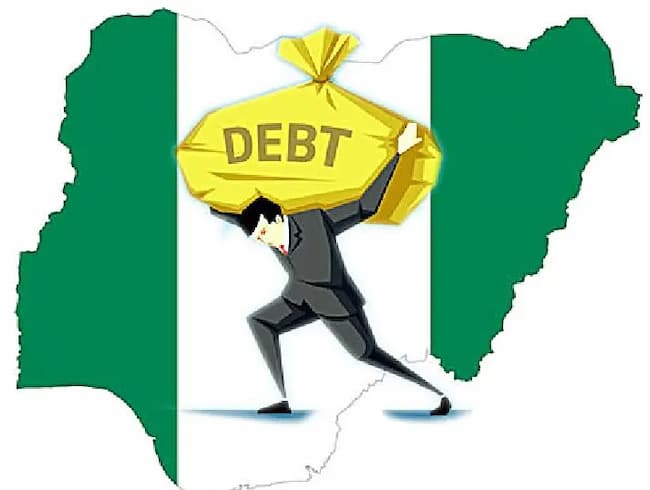
Debt-service obligations remained a major fiscal concern. Annualised figures from the report showed that Nigeria spent approximately 69.41% of its revenue on debt servicing in 2025, with debt-service payments estimated at N16.26 trillion.
The report also disclosed that deficit financing during the quarter came primarily from domestic borrowing of N970 billion and privatisation proceeds of N120.61 billion. In addition, multilateral and bilateral project-tied loans amounted to N3.13 trillion.
Nigeria’s economy grew by 3.98% in Q3 2025, which the report attributed to ongoing economic reforms and policy measures introduced by the Federal Government.
The Issues
The latest budget implementation figures highlight the growing pressure debt obligations continue to place on Nigeria’s fiscal position. Although revenue generation has improved significantly since 2023 following exchange-rate reforms and subsidy removal, debt-service costs continue to absorb a substantial portion of government income.
Analysts have also raised concerns over persistent underperformance in capital expenditure implementation, which could weaken infrastructure delivery and broader economic growth objectives.
The spending gap further underscores the challenge of balancing fiscal consolidation with the need for growth-enhancing public investment amid elevated inflation and borrowing costs.
What’s Being Said
“The reduction in the fiscal deficit is positive, but debt-service costs remain too high for sustainable fiscal management,” said Taiwo Oyedele, Chairman, Presidential Committee on Fiscal Policy and Tax Reforms.
“Nigeria has improved revenue mobilisation significantly over the last two years, but expenditure efficiency and debt sustainability remain critical concerns,” said Muda Yusuf, Chief Executive Officer, Centre for the Promotion of Private Enterprise.
What’s Next
- The Federal Government is expected to intensify tax reforms and non-oil revenue mobilisation efforts ahead of the 2026 budget cycle
- Investors and analysts will monitor debt-service trends closely as the Debt Management Office prepares updated borrowing plans
- Fiscal authorities are also expected to review expenditure implementation levels in subsequent quarters to improve capital project execution
Bottom Line
The Bottom Line: Nigeria’s fiscal numbers show improving revenue performance, but debt-service obligations continue to constrain government spending capacity. Unless expenditure efficiency improves alongside stronger revenue growth, fiscal sustainability risks could remain elevated despite lower quarterly deficits.