






By Boluwatife Oshadiya | October 29, 2026
Key Points
- The Federal Government has paid ₦1.2 trillion of the power sector’s ₦2.3 trillion outstanding debt, according to the Minister of Power, Joseph Tegbe
- The government plans to increase national transmission capacity from 5,000MW to more than 19,000MW, against estimated generation capacity exceeding 13,000MW
- Construction has commenced on a replacement National Control Centre in Osogbo, Osun State, to improve grid monitoring and coordination
Main Story
The Federal Government has paid ₦1.2 trillion of Nigeria’s ₦2.3 trillion outstanding power sector debt and plans to expand national transmission capacity beyond 19,000 megawatts to improve electricity delivery.
Minister of Power Joseph Tegbe disclosed the measures on Wednesday while briefing State House correspondents after the Federal Executive Council meeting in Abuja, presided over by President Bola Tinubu. The payment represents approximately 52% of the reported outstanding debt, leaving about ₦1.1 trillion yet to be settled if the figures are unchanged.
Tegbe said the payment forms part of efforts to ease liquidity constraints across the electricity value chain, particularly those affecting gas supplies to power generation companies. He added that the government was pursuing measures to stabilise the national grid, strengthen transmission infrastructure and improve electricity delivery.
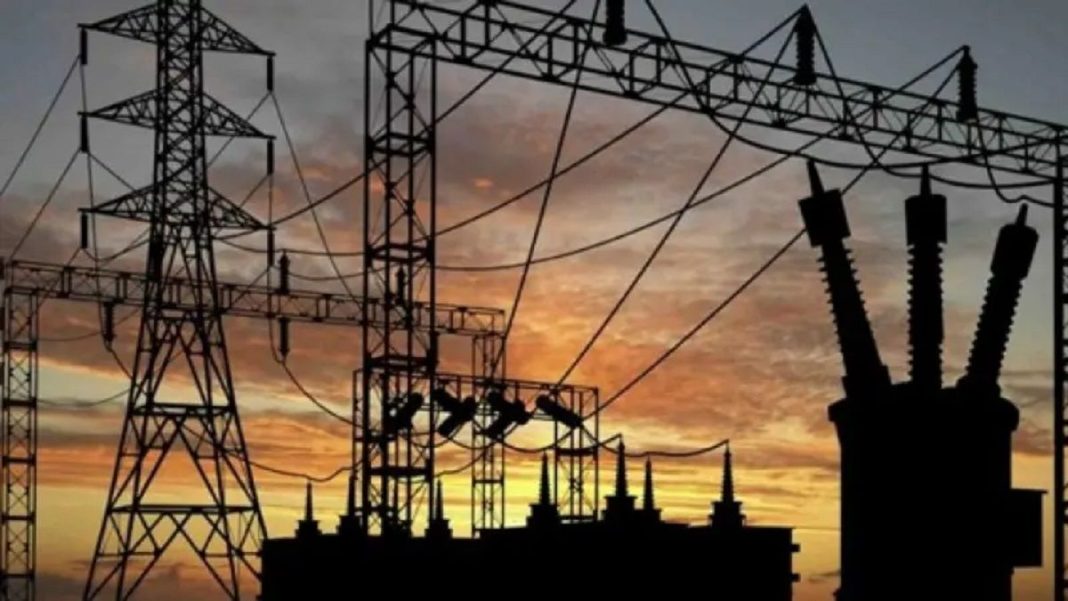
The minister said Nigeria’s current transmission capacity stands at approximately 5,000MW, while estimated electricity generation capacity exceeds 13,000MW. The proposed expansion to more than 19,000MW is intended to address infrastructure constraints and improve the system’s ability to transmit available electricity.
Tegbe identified Lagos and adjoining areas as accounting for about 50% of national electricity demand, while Abuja, Kano and other locations also require infrastructure improvements. He further said prolonged detention of imported consignments had affected the availability of essential materials needed for electricity infrastructure development, adding that efforts were underway to resolve outstanding clearance issues.
The minister also disclosed that construction had begun on a modern National Control Centre in Osogbo, Osun State, to replace the existing facility, which he said had operated for 64 years. The replacement centre is expected to feature advanced monitoring and control systems for improved grid coordination and transmission management.
The government has also reiterated its commitment to settling outstanding obligations, modernising transmission infrastructure and expanding alternative energy solutions. However, the supplied announcement did not specify a completion date for the transmission expansion or the settlement of the remaining debt.
What’s Being Said
The supplied briefing attributes the debt payment, transmission expansion plan and control-centre project to Power Minister Joseph Tegbe. However, the material contains no direct quotation from the minister. A verified statement or transcript is needed before a direct quote can be published.
No independent industry response was included in the supplied material. An additional comment from electricity generation companies, gas suppliers or an energy-sector analyst would help assess the effect of the payment on liquidity and electricity supply.
What’s Next
- Outstanding debt: The government needs to clarify the timeline for settling the remaining approximately ₦1.1 trillion and whether further payments are scheduled.
- Transmission expansion: A delivery timetable, funding plan and implementation milestones are needed to assess progress towards the target of more than 19,000MW.
- National Control Centre: The government has not provided a completion date for the Osogbo facility or a timeline for its integration into national grid operations.
The Bottom Line:
The ₦1.2 trillion payment addresses a substantial part of the reported power-sector debt burden, but its lasting effect will depend on whether it improves payment flows to generation companies and gas suppliers. The transmission target is significantly above current capacity, making implementation, funding and delivery timelines central to whether the plan translates into more reliable electricity for consumers.