






Key points
- Climate expert advocates balanced energy transition combining gas and renewable energy.
- Nigeria’s vast gas reserves identified as a strategic asset for industrial growth and decarbonisation.
- Policymakers urged to design regulatory frameworks that link climate action with economic transformation.
Main story
The Director-General of the National Council on Climate Change, Omotenioye Majekodunmi, has called for a pragmatic and balanced approach to energy transition to support Africa’s industrial development while advancing global climate goals.
She made the call at the Green Conference 2026 held in Lagos, where stakeholders discussed strategies for achieving sustainable growth and climate resilience across the continent.
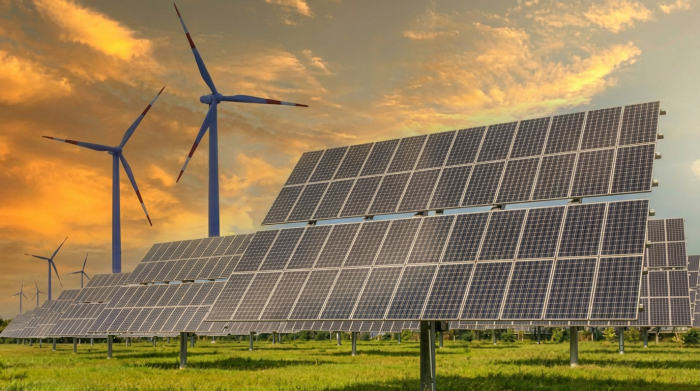
Majekodunmi emphasised that Africa’s transition to cleaner energy must recognise the complementary roles of natural gas, renewable energy, and emerging low-carbon technologies.
According to her, Nigeria’s significant natural gas reserves present an opportunity to support industrial expansion while gradually transitioning to cleaner energy sources. She noted that responsible development and decarbonisation of these resources could help align economic growth with global climate commitments.
The conference, themed “Decarbonising Africa: Pathway to Climate Finance, Sustainable Growth and Green Economy,” brought together policymakers, investors, and climate experts to explore pathways for financing Africa’s transition to a low-carbon economy.
The issues
African countries face the challenge of balancing economic development with global pressure to reduce carbon emissions. While the continent contributes a relatively small share of global emissions, it remains highly vulnerable to the impacts of climate change.
Limited access to energy, infrastructure gaps, and financing constraints have also complicated efforts to transition to cleaner energy systems while sustaining economic growth and industrialisation.
What’s being said
Majekodunmi said Nigeria’s transition strategy focuses on an energy mix that leverages different energy sources to achieve both economic and environmental objectives.
“In Nigeria, this approach is reflected in what I like to describe as an ‘Energy Mix Plan’ – a transition strategy that recognises the complementary roles of gas, renewables, and emerging low-carbon technologies,” she said.
She added that Africa must approach the global energy transition from a position of strategic leadership rather than apology.
“Nigeria alone holds more than 600 trillion cubic feet of proven gas reserves – resources that, if responsibly developed and decarbonised, can support industrial growth while contributing to global climate objectives,” she said.
Majekodunmi also urged policymakers to design regulatory frameworks that position the energy transition as a driver of industrial transformation.
“The future is not simply gas or renewables. The future is decarbonised gas working alongside renewable energy systems,” she added.
What’s next
Stakeholders are expected to continue discussions on financing mechanisms, regulatory reforms, and investment strategies needed to accelerate Africa’s transition to a low-carbon economy while supporting economic development.
Bottom line
Experts say Africa’s path to a sustainable future lies in a balanced energy transition that combines natural gas, renewable energy, and emerging technologies to power industrial growth while meeting global climate commitments.