



Key points
- The ECOWAS Parliament adopted a resolution on Thursday directing member states to protect street children and banish child exploitation in the sub-region.
- The resolution was passed during the 2026 First Ordinary Session held in Abuja.
- Member states are urged to implement domestic strategies with dedicated budgetary allocations and clear timelines.
- Recommendations include free education, healthcare, and child-friendly justice systems for neglected children.
- The parliament called for a harmonized regional framework and a Child Rights Information Management System to coordinate responses.
Main Story
The ECOWAS Parliament has adopted a resolution directing member states to take immediate action toward protecting street children, ending child exploitation, and banishing them from the streets in the sub-region.
The lawmakers adopted the landmark resolution during the parliament’s ongoing 2026 First Ordinary Session on Thursday in Abuja. They also mandated the parliament’s speaker to transmit the resolution and the joint committee report to the ECOWAS Commission’s President for onward submission to the Chairman, ECOWAS Council of Ministers.
The parliamentarian’s decision follows the recommendations from a delocalised meeting of its Joint Committee, which held earlier in Freetown, Sierra Leone, in April. The committee focused on the theme: “Parliamentary Approach to the Protection of Street Children and the Fight Against the Exploitation of Children in the ECOWAS Region.”
The resolution stresses the cross-border nature of child trafficking and calls for referral systems, safe repatriation protocols, and information-sharing mechanisms among member states to protect children on the move.
The Issues
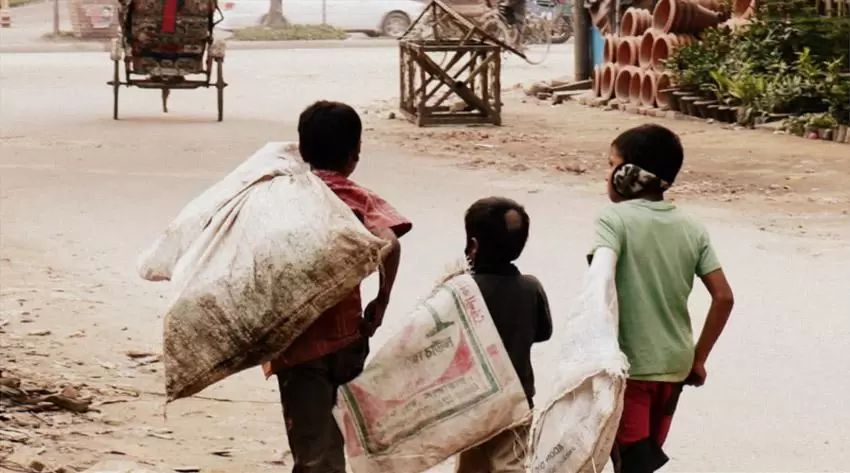
- Street children are identified as one of the most neglected groups in the sub-region, frequently exposed to grave human rights abuses and social exclusion.
- Root causes such as poverty, displacement, and family breakdown, particularly in single-parent households, continue to drive children onto the streets.
- Lack of birth registration and identity documents often prevents vulnerable children from accessing essential state services like education and healthcare.
What’s Being Said
- ”Street children, who are usually exposed to the gravest human rights abuses, are among the most neglected groups in the society,” noted the MPs.
- “ECOWAS member states are to adopt and implement comprehensive domestic strategies for street children, with clear objectives, timelines, and dedicated budgetary allocations in line with international child rights standards,” the resolution said.
- “Member states are also urged to strengthen the enforcement of child protection laws and ensuring that street children have access to free, inclusive education, healthcare, birth registration, identity documents, and child-friendly justice systems,” the resolution said.
- “The ECOWAS Commission should expand its Child Rights Information Management System to support data-driven policy-making and accountability,” the parliament stated.
What’s Next
- The ECOWAS Commission is expected to develop a harmonised regional framework on street children to guide member states in a coordinated response.
- Member states are anticipated to scale up capacity-building for national institutions in child-friendly justice and law enforcement.
- Social protection programmes for vulnerable families are expected to be expanded to address the poverty and displacement driving the crisis.
Bottom Line
The ECOWAS Parliament is moving toward a sub-regional mandate that treats the protection of street children as a budgetary and legal priority, requiring member states to integrate these children into formal education and justice systems.