








By Emmanuella Opara | October 20th 2026
KEY POINTS
- COANSA calls for increased public investment in agriculture and improved budget implementation.
- Its analysis found that 22 states spent less than half of their agricultural capital allocations in 2023, falling to 15 states in 2025.
- The coalition wants governments to publish annual reports showing agricultural allocations, actual spending and results.
MAIN STORY
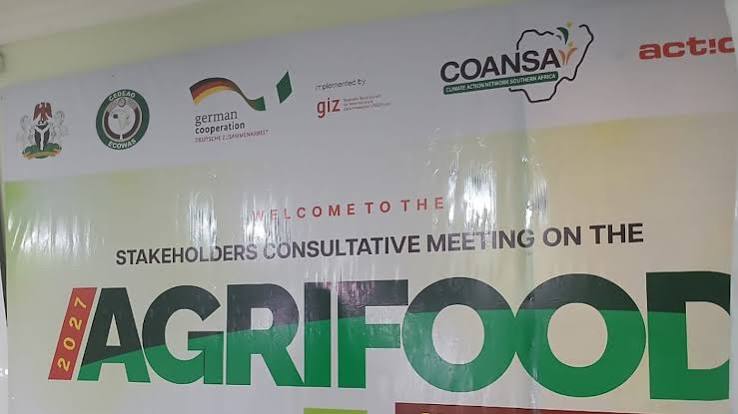
The Community of Agrifood Systems Non-State Actors (COANSA) has called on federal and state governments to allocate at least 10 per cent of public expenditure to agrifood systems and improve the implementation of agricultural budgets.
The coalition made the call in Abuja on Monday at a news conference marking the 2026 World Food Day, themed “Innovate Today, Nourish Tomorrow”.
Dr Nkiruka Okonkwo, Co-Founder and Financial Director of COANSA, said agricultural capital budget implementation remained weak between 2023 and 2025, with most states and the Federal Capital Territory spending less than half of their approved allocations.
According to COANSA’s analysis, 22 states spent less than 50 per cent of their agricultural capital budgets in 2023. The number fell to 18 states in 2024 and 15 in 2025.
Okonkwo said the low level of expenditure persisted despite increases in agricultural capital budget allocations between 2023 and 2026.
She said stronger public investment and improved budget implementation could help federal and state governments increase internally generated revenue by between 6.22 per cent and 618 per cent and create more than 3.5 million direct jobs. However, she warned that poor implementation could prevent the country from realising these potential gains in 2026.
“The call to ‘Innovate Today, Nourish Tomorrow’ demands a shift from business as usual towards strategic investments that close longstanding gaps in agricultural financing, infrastructure, technology adoption and sector governance,” Nkiruka Okonkwo, Co-Founder and Financial Director of COANSA, said.
The coalition urged governments to develop a credible financing plan to meet the African Union’s Comprehensive Africa Agriculture Development Programme (CAADP) Kampala Declaration target of allocating at least 10 per cent of public expenditure to agrifood systems.
It stressed that performance should be assessed based on funds actually released and spent effectively, rather than approved budget figures alone. It also called for annual public reports detailing agricultural allocations, expenditure, outputs and outcomes.
COANSA further urged governments to domesticate the Kampala Declaration and implement Nigeria’s Agrifood System Strategy and Action Plan with clearly defined targets and timelines. It also called for the appointment of CAADP focal points in every state and the FCT, as well as annual consultations with the CAADP Non-State Actors Group.
The Kampala Declaration, covering 2026 to 2035, seeks to accelerate sustainable food production, promote agro-industrialisation and trade, and strengthen food and nutrition security across Africa.
On agricultural innovation, Okonkwo said improved food production and nutrition required investment in infrastructure, suitable technologies, extension services and inclusive policies.
She identified agroecological practices, agricultural research, irrigation, labour-saving technologies, digital agricultural services and measures to reduce post-harvest losses as interventions that could improve productivity and market access.
She also called for greater support for smallholder farmers, women, young people and persons with disabilities, particularly in accessing productive resources, finance, markets, knowledge and technology.
Other priorities outlined by the coalition included improved rural infrastructure, integrating climate action and Nigeria’s third Nationally Determined Contribution targets into agrifood systems, and incorporating the Federal Government’s Nutrition 774 Initiative into the implementation of the Kampala Declaration.
COANSA, a coalition of 31 organisations working in agrifood systems, said sustained funding, stronger institutions and inclusive partnerships were necessary to translate agricultural policies into measurable results.
THE ISSUES
Low budget implementation can limit the impact of government allocations on food production, rural infrastructure and farmers’ access to technology and markets. COANSA argues that monitoring actual expenditure and results is essential to ensuring public investment delivers practical benefits.
WHAT’S BEING SAID
“The future we seek cannot be achieved through promises alone. It requires bold investments, innovative solutions, inclusive partnerships and sustained political will. If Nigeria is to nourish tomorrow, we must act decisively today,” Nkiruka Okonkwo, Co-Founder and Financial Director of COANSA, said.
WHAT’S NEXT
COANSA wants governments to establish a financing plan for the 10 per cent investment target, publish annual agricultural budget performance reports and implement the Kampala Declaration through clear targets and timelines.
BOTTOM LINE
COANSA says Nigeria’s agricultural development depends not only on larger budget allocations but also on releasing and spending the funds effectively to improve food production, nutrition and farmers’ livelihoods.





 has called on federal and state governments to allocate at least.................)