








KEY POINTS
- CBN wants monthly diaspora remittance inflows to reach $1.5 billion by the end of June 2027.
- Governor Olayemi Cardoso says Nigeria has achieved its earlier $1 billion monthly target.
- The naira has appreciated by approximately 6 per cent over the past year, according to the governor.
- CBN plans to introduce interbank repurchase agreement and overnight indexed swap markets in the first quarter of 2027.
MAIN STORY
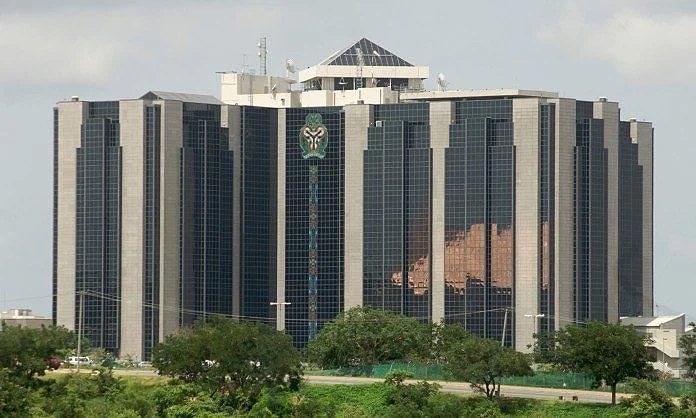
The Central Bank of Nigeria (CBN) is targeting monthly diaspora remittance inflows of $1.5 billion by the end of June 2027, following what it describes as the achievement of its previous $1 billion monthly target.
CBN Governor Olayemi Cardoso disclosed this on Friday at the 2026 Annual Bankers Dinner organised by the Chartered Institute of Bankers of Nigeria (CIBN) in Lagos.
He attributed the increase in formal remittance inflows to reforms aimed at improving transparency and expanding foreign exchange channels, while commending licensed International Money Transfer Operators for investing in technology and widening access to formal transfer services, particularly across Asia.
Cardoso said the foreign exchange reforms had improved business planning, supported investor confidence and helped businesses meet international payment obligations.
He also said the naira had appreciated by approximately 6 per cent over the past year, while daily foreign exchange market turnover had occasionally exceeded $1 billion.
In the fixed-income market, daily turnover averages ₦1.5 trillion, supported by a tradable benchmark yield curve extending to 10 years, according to the governor.
THE ISSUES
The new remittance target reflects the CBN’s effort to attract more foreign currency through formal financial channels. Diaspora remittances are an important source of foreign exchange for Nigeria, and increasing the share that passes through regulated operators could improve the visibility of inflows and support liquidity in the official market.
The achievement of the previous $1 billion monthly target also provides a benchmark for assessing the next phase of the reforms. However, reaching $1.5 billion consistently will depend on maintaining confidence in formal transfer channels and ensuring that senders and recipients can access competitive and reliable services.
Cardoso said the CBN had moved away from an opaque multiple exchange rate system towards a more transparent, market-driven framework. He acknowledged that exchange rate volatility was a normal feature of global markets and said the bank would not target a particular naira value.
Instead, its responsibility would be to maintain market stability, improve liquidity and support orderly price discovery. He added that the CBN remained prepared to use external reserves when necessary to address disorderly market conditions and temporary shocks.
WHAT’S NEXT
The CBN plans to introduce interbank repurchase agreement and overnight indexed swap markets in the first quarter of 2027 to improve liquidity and efficiency in the financial system.
Cardoso said the introduction of the Nigeria Overnight Financing Rate as a pricing benchmark would improve transparency and support the development of more advanced lending and risk management products. He urged banks to adopt the benchmark, particularly in loan pricing and interest rate risk management.
The apex bank also plans to strengthen cross-border payment and settlement arrangements, banking relationships and trade and investment flows.
Cardoso described Nigeria’s removal from the Financial Action Task Force grey list in October 2025 as an important milestone, urging financial institutions to maintain compliance with international anti-money laundering and counter-terrorism financing standards.
He also called for stronger governance, operational resilience, professional development and ethical standards across the banking industry.
BOTTOM LINE
The CBN’s $1.5 billion monthly remittance target raises the bar for Nigeria’s foreign exchange reforms. Sustaining formal inflows, improving payment channels and maintaining confidence in the financial system will be central to achieving it by June 2027.




 is targeting monthly diaspora remittance inflows of $1.5 billion by the end of June 2027, ...)