






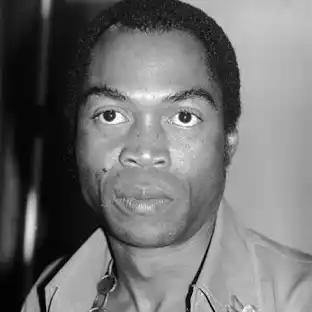
By Annette Ikponmwonba | November 20th, 2026
Key Points
· Afrobeat star Femi Kuti says the Nigerian government did everything it could to break his late father, Fela Anikulapo-Kuti
· He spoke in a recent interview with OkayAfrica
· He recalled that Fela was jailed by the Buhari military regime and later released by Ibrahim Babangida
· He said Fela came out poor, living with 150 people in a three-bedroom apartment, and only recovered financially after touring abroad with his band
· He said Fela never fully recovered from the death of his mother, Funmilayo Ransome-Kuti
· He believes Fela would have found solace in the recognition now coming from bodies such as the Grammys and the Rock & Roll Hall of Fame
Main Story
Nigerian Afrobeat legend Femi Kuti has recalled how the government persecuted his late father and Afrobeat pioneer, Fela Anikulapo-Kuti. In a recent interview with OkayAfrica, the multiple Grammy-nominated musician said the authorities did everything they could to break him.
Femi said Fela was unjustly imprisoned by the military regime of Muhammadu Buhari and was later released by his successor, Ibrahim Babangida. According to him, Fela came out of prison poor and lived with 150 people in a three-bedroom apartment. He only bounced back financially after he began touring abroad with his band.
“Fela was very rich and famous but the government did everything to break him. He declared his compound a ‘danger zone’ and brutally attacked it. He fled to Ghana and when he returned to Nigeria, the Buhari regime unjustly jailed him. The new head of state, Babangida released him from prison but he came out poor. He was accommodating 150 people in a three-bedroom apartment. He only bounced back financially after he began touring abroad with his band,” he said.
The Issues
Femi’s account revisits one of the most painful chapters in Nigerian music and political history, the clash between Fela and successive military governments. The February 18, 1977 raid on Fela’s Kalakuta Republic compound in Lagos left his mother, Funmilayo Ransome-Kuti, with injuries from which she died on April 13, 1978. Fela’s protest song “Coffin for Head of State” grew out of that loss.
Femi said Fela lost everything after his mother’s death because of government persecution, and that he never recovered emotionally. “I don’t think Fela ever recovered from his mother’s loss,” he said, There is also a contrast between past and present. Fela is now receiving growing global recognition, even though he was not a fan of awards during his lifetime. These are Femi’s recollections as a son, and the report does not include a response from any government representative.
What’s Being Said
Femi said he believes his father would have found comfort in today’s honours if he were alive. He pointed to recognition from award bodies such as the Grammys and the Rock & Roll Hall of Fame, while acknowledging that Fela did not care for awards in his lifetime, He framed the story as one of resilience, noting that Fela rebuilt his finances through international tours after leaving prison with almost nothing.
What’s Next
Fela’s legacy is likely to keep drawing attention as more global institutions honour his work, and Femi may continue to speak about his father’s story in interviews and performances, Conversations about the treatment of artists who challenged authority, and about how Nigeria remembers its cultural icons, are also likely to continue.
Bottom Line
Femi Kuti’s recollection paints Fela as a man who lost wealth, family and freedom to state persecution yet rebuilt through his music, and whose legacy is now winning the global recognition he once dismissed.