





By Emmanuella Opara | October 22nd 2026
KEY POINTS
- An Ebola patient diagnosed with the Bundibugyo strain in Abuja has reportedly developed multi-organ failure.
- Vice-President Kashim Shettima urges states to establish functional electricity markets under the Electricity Act 2023.
- Ekiti and Kebbi become the latest states to endorse the proposed constitutional amendment for state police, bringing the total to 15.
- Ogun State shuts some schools after more than 100 pupils are hospitalised following exposure to a gaseous substance.
- Residents of Igbokoda, Ondo State, complain of persistent foul odour and alleged water pollution 17 days after a military aircraft crash.
MAIN STORY
An Ebola case in Abuja, calls for state-led electricity reforms and renewed efforts to establish state police are among the major developments making headlines across Nigeria.
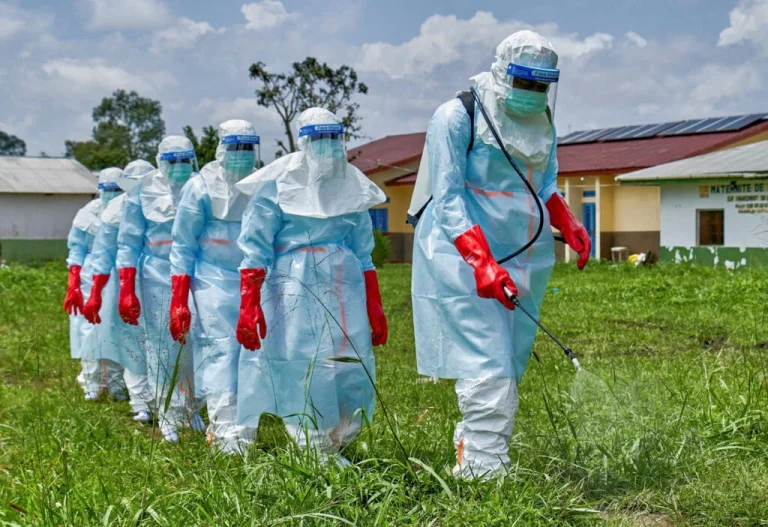
The Federal Government and state authorities have intensified surveillance, contact tracing and emergency preparedness following reports that a diplomat diagnosed with the Bundibugyo strain of Ebola in the Federal Capital Territory has developed multi-organ failure.
The patient’s identity and nationality have not been disclosed. The Director of Public Health Laboratory Service at the Nigeria Centre for Disease Control and Prevention, Olajumoke Babatunde, provided an update at an emergency meeting in Abuja on Wednesday.
The NCDC said molecular tests confirmed the Bundibugyo strain, the same strain associated with an outbreak in the Democratic Republic of Congo.
Meanwhile, Vice-President Kashim Shettima has urged state governments to take greater responsibility for addressing their electricity challenges rather than depending solely on the Federal Government.
Shettima made the call on Wednesday at the opening of the National Stakeholders’ Workshop on the Electricity Act 2023 at the State House Banquet Hall, Presidential Villa, Abuja.
The workshop brought together federal and state institutions and regulators to discuss opportunities under the legislation for sustainable energy development and economic growth. Shettima urged states to establish functional electricity markets in line with the Act.
In another development, the number of states supporting the proposed constitutional amendment to establish state police has risen to 15 following endorsements by the Ekiti and Kebbi State Houses of Assembly.
Ekiti passed the bill, while lawmakers in Kebbi adopted a resolution supporting decentralised policing as a response to insecurity.
The latest endorsements follow support from 13 other states: Osun, Edo, Oyo, Rivers, Zamfara, Kwara, Nasarawa, Ogun, Delta, Taraba, Cross River, Plateau and Enugu.
The proposed amendment requires support from at least 24 of Nigeria’s 36 states to meet the two-thirds threshold.
In Ogun State, the government has again shut some schools in Ijebu-Ode, Ago-Iwoye and Ijebu-Igbo following the hospitalisation of more than 100 pupils reportedly exposed to an offensive gaseous substance on Wednesday.
The affected pupils were taken to the State Hospital in Ijebu-Ode, the General Hospital in Ijebu-Igbo and other healthcare facilities for treatment.
Schools among the worst affected included Ijebu-Igbo Girls Grammar School, Anglican Girls Grammar School in Ijebu-Ode, Itamerin Comprehensive High School and schools in Ago-Iwoye.
In Ondo State, residents of Igbokoda in Ilaje Local Government Area have raised concerns about a persistent foul odour, alleged water pollution and losses to their fishing businesses 17 days after a military aircraft crash in the community.
Residents said the situation had disrupted their social and economic activities and called on the Federal Government and the Ondo State Government to speed up the clean-up of the affected area.
The Nigerian Air Force ATR-42 aircraft reportedly crashed in the community, killing at least 25 people on board. Military personnel have since been working to recover the remains of the deceased and the aircraft wreckage.
Following complaints about the odour, the Ondo State Government said it had begun clean-up efforts to address possible environmental pollution.
THE ISSUES
The developments highlight several challenges facing Nigeria, including preparedness for infectious disease outbreaks, electricity sector reforms, insecurity, school safety and environmental concerns.
The reported deterioration of the Ebola patient has heightened the urgency of surveillance and contact tracing, while the proposed state police framework continues to depend on securing the constitutionally required support from state legislatures.
The Ogun school closures and complaints from residents of Igbokoda also point to concerns about public safety and the need for timely responses to incidents that affect communities, livelihoods and access to education.
WHAT’S BEING SAID
The reports highlight the following official positions and public concerns:
- Ebola response: The NCDC confirmed the Bundibugyo strain following molecular testing and said the case had prompted heightened surveillance and emergency preparedness.
- Electricity: Shettima urged state governments to establish functional electricity markets under the Electricity Act 2023.
- State police: Ekiti and Kebbi endorsed the proposed constitutional amendment, bringing the number of supporting states to 15.
- Ondo crash: Residents called for faster clean-up efforts over the persistent odour, alleged water pollution and disruption to fishing activities.
WHAT’S NEXT
Health authorities are expected to continue surveillance, contact tracing and emergency preparedness in response to the Ebola case. State governments are also being urged to advance electricity market reforms under the Electricity Act 2023.
The state police proposal requires further endorsements to reach the constitutional threshold of 24 states. In Ogun, attention remains on the affected pupils and the circumstances surrounding their exposure to the gaseous substance, while residents of Igbokoda are seeking faster action to address the reported environmental concerns.
BOTTOM LINE
Nigeria’s major morning headlines reflect urgent public health, electricity, security, education and environmental challenges, with government responses and implementation efforts likely to shape developments in the coming days.