KEY POINTS
- Women entrepreneurs have called for stronger collaboration, improved digital skills, better access to markets and policies that support small businesses.
- SACFruits CEO Afie Braimoh urged women-owned businesses to pool resources and production capacity to fulfil larger orders.
- NNEW highlighted training, mentorship, networking and financial inclusion initiatives to support women entrepreneurs.
- Exhibitors identified skilled labour shortages, import tariffs, foreign exchange costs and consumer purchasing power as business challenges.
MAIN STORY
Women entrepreneurs and business leaders have called for stronger collaboration, improved digital skills, better access to markets and policies that support small businesses as the NECA’s Network of Entrepreneurial Women (NNEW) holds its 2026 annual summit in Lagos.
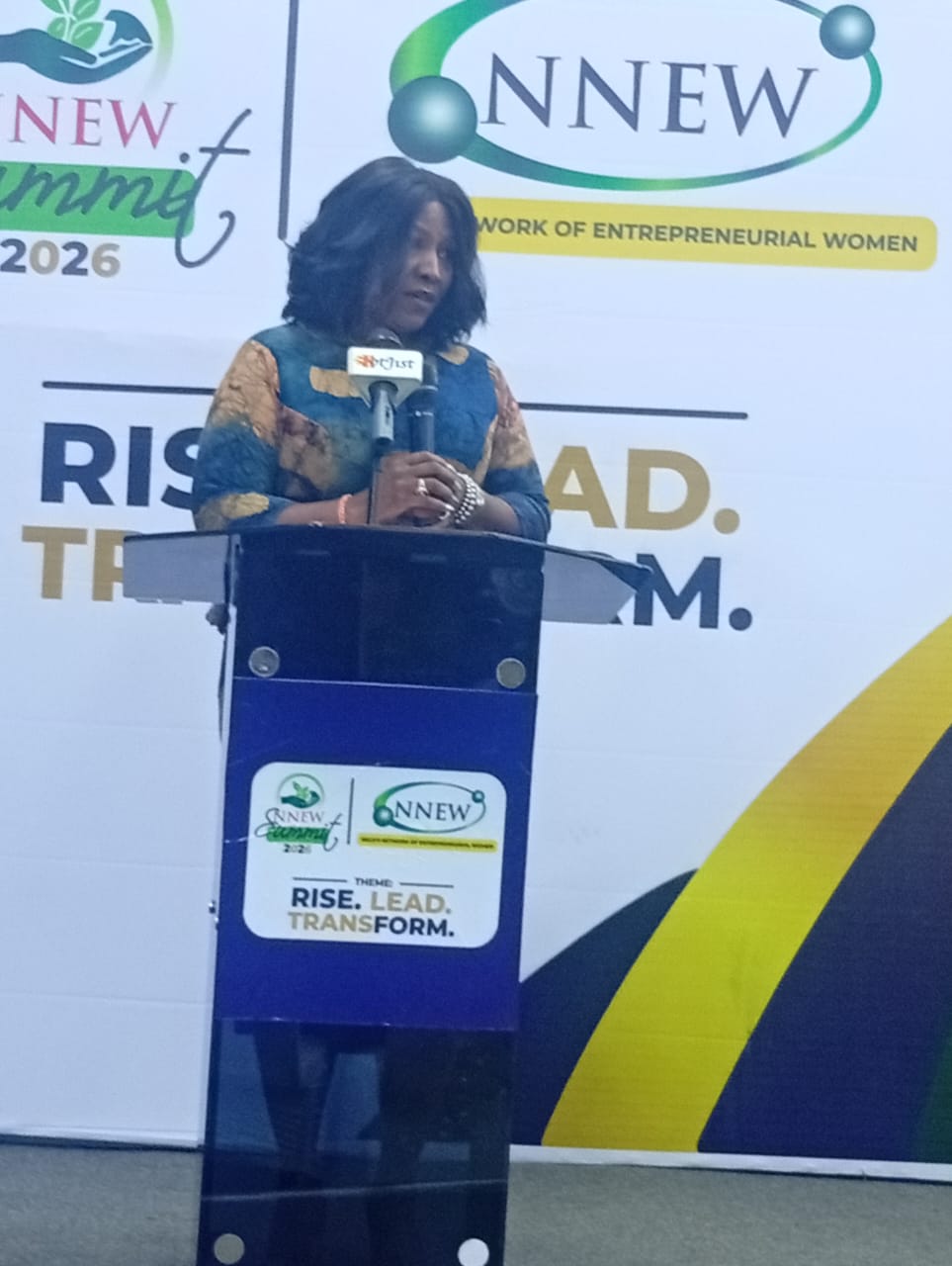
The two-day summit, themed “Rise. Lead. Transform,” is taking place on October 15 and 16 at NECA House, Alausa, Ikeja, bringing together women entrepreneurs, business leaders and other stakeholders to discuss business growth, technology adoption, market access and the challenges facing small businesses in Nigeria.
Delivering the keynote address, Afie Braimoh, chief executive officer of SACFruits and a former commissioner for Industry, Trade and Cooperative in Edo State, stressed the importance of collaboration among women-owned businesses. She argued that entrepreneurs could improve their capacity and competitiveness by pooling resources, sharing equipment and combining production capabilities to fulfil larger orders rather than attempting to handle every aspect of their operations independently.
Braimoh also called for more opportunities for African products to enter mainstream retail and export markets. She emphasised that women’s economic empowerment should be assessed through tangible business outcomes, including revenue growth, market access, job creation and business resilience. Her position reinforced the summit’s focus on moving beyond discussions about empowerment towards practical measures that enable women-owned enterprises to grow.
The need to strengthen business capacity also informed discussions about digital adoption, with participants examining how artificial intelligence (AI) and other digital tools could help entrepreneurs improve operations, reach customers and compete in changing markets.
During a panel session on digital adoption, speakers, including Dr Lanre Johnson and Evans Edabor, discussed how businesses could use technology to improve visibility, build customer trust and strengthen their operations. They emphasised that entrepreneurs should identify the specific problems they want to solve before investing in digital tools, rather than adopting technology without a clear business objective.
Participants also considered how entrepreneurs could share marketing costs and media exposure, particularly when individual businesses lack the resources to compete effectively for attention. The discussion recognised different levels of digital readiness, from entrepreneurs just beginning to use digital tools to social media sellers and businesses seeking to reach international customers.
The conversation extended to the relationship between the African Continental Free Trade Area (AfCFTA), AI and local business growth. Speakers highlighted product differentiation, intellectual property protection and a clear understanding of customer needs as important considerations for businesses seeking to enter new markets. They also cautioned entrepreneurs against uploading sensitive or proprietary business information to publicly available AI tools without assessing the risks.
Participants pointed to opportunities for locally developed AI solutions trained on relevant local content to improve customer engagement and automate aspects of business operations. The discussions underscored that digital adoption requires more than maintaining a social media presence. Businesses also need to understand how technology can improve productivity, strengthen customer relationships and support expansion into new markets.
Beyond technology, access to business knowledge, networks and finance emerged as another major concern. NNEW President Bolanle Edwards said the organisation supports women entrepreneurs through programmes designed to strengthen their business capabilities and connect them with opportunities.
In an interview, Edwards highlighted initiatives covering bookkeeping, digital business skills and the practical requirements of running a business. She also cited NNEW’s collaboration with the International Labour Organisation on programmes such as Women in Digital Business.
Edwards said the organisation had supported the development of Thrive Microfinance Bank, which emerged from its cooperative activities, as part of efforts to improve access to financial services. However, she acknowledged that funding remains a challenge for many women-owned businesses, alongside disparities associated with gender and age. The organisation’s Ruby group, which caters to women aged 18 to 45, is among its initiatives aimed at supporting different categories of women entrepreneurs.
NNEW Publicity Secretary Eniola Mayowa said the network also provides mentorship, training and networking opportunities to help members strengthen their businesses. These include guidance on bookkeeping, business registration and protecting their interests. According to Mayowa, chapter meetings and online groups enable members to exchange information, build relationships and support one another.
The challenges discussed by the organisation and panel speakers were also evident among businesses exhibiting their products at the summit. Exhibitors showcasing goods ranging from fashion accessories to imported food products highlighted difficulties involving skills development, import costs and consumer purchasing decisions.
Margaret Olushola of TWC Accessories, which produces jewellery, headpieces and other fashion accessories, identified finding and retaining skilled workers as a major challenge. She said passing traditional craft skills to younger people had proved difficult because some trainees expected immediate financial returns and were unwilling to commit the time and effort required to master the work.
Olushola said her involvement in a community of craft entrepreneurs provided opportunities for younger crafters to learn from others and seek guidance when they encountered difficulties. Her experience reflected the importance of skills transfer and peer networks in helping small businesses preserve expertise and sustain production.
For Feyi of Handy Gold Items, a seller of imported food products, importation costs, tariffs and foreign exchange expenses remain significant pressures. She called on the government to reduce import tariffs, arguing that the charges affect product prices and make business expansion more difficult. She also highlighted foreign exchange costs as an additional challenge for businesses that depend on foreign goods.
Feyi said she wanted to expand distribution while encouraging consumers to pay greater attention to the quality of the food products they purchase. She added that locally produced goods also need consistent quality standards if consumers are to trust them.
Meanwhile, an exhibitor representing Lorie Jay, a brand selling natural and infused products, said the business was responding to consumer interest in alternatives to conventional products. Its offerings include infused teas made with ingredients such as garlic, ginger, cinnamon and cloves. The exhibitor acknowledged that affordability influences purchasing decisions but maintained that consumers should also consider product quality when comparing prices.
Taken together, the keynote address, panel discussions and exhibitor interviews highlighted the gap between encouraging women to establish businesses and creating the conditions they need to sustain and expand them. Collaboration could help entrepreneurs share production capacity and marketing costs, while digital skills, training and access to finance could strengthen their ability to compete.
However, these measures must translate into practical improvements in business performance, including higher revenue, access to new customers, stronger production capacity and more sustainable operations. As the summit continues, the challenge for NNEW and participating entrepreneurs will be turning the ideas discussed into measurable gains in market access, business growth and the long-term survival of women-owned enterprises.
THE ISSUES
Women-owned businesses face interconnected challenges involving financing, skills, technology, production capacity and market access. Collaboration could help smaller firms pool resources, while targeted digital adoption could improve productivity and customer engagement. For import-dependent businesses, tariffs and foreign exchange costs add pressure to pricing and expansion. The broader challenge is ensuring that support programmes and business networks produce tangible improvements rather than ending at training and discussion.
WHAT’S BEING SAID
The summit’s theme is “Rise. Lead. Transform.”
Braimoh emphasised collaboration, including pooling resources and sharing equipment to fulfil larger orders.
Edwards highlighted NNEW’s training programmes, its collaboration with the International Labour Organisation and initiatives intended to improve access to financial services.
Olushola identified difficulties finding and retaining skilled workers, while Feyi called for lower import tariffs to ease pressure on businesses selling imported food products.
WHAT’S NEXT
The summit continues on October 16, with participating entrepreneurs and support organisations facing the task of translating discussions into practical business improvements. Priorities include strengthening business skills, expanding market connections, adopting relevant digital tools and improving access to finance.
BOTTOM LINE
The NNEW summit has placed collaboration, digital capability, financing and market access at the centre of discussions on women’s entrepreneurship. The impact will ultimately depend on whether these priorities lead to measurable gains in revenue, business growth, job creation and the long-term survival and thriving of women-owned enterprises.
Campaign for Democracy urges INEC to investigate omission of PDP candidates