







KEY POINTS
• Petrol prices in the FCT have risen to between N1,388 and N1,450 per litre.
• Civil servants say higher transport fares are taking a larger share of their incomes.
• Some workers have turned to carpooling, trains and staff buses to cut costs.
MAIN STORY
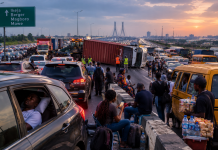
The latest increase in petrol prices is putting additional financial pressure on civil servants in the Federal Capital Territory, with workers reporting sharp increases in the cost of getting to and from their offices.
A litre of petrol, previously sold for between N1,180 and N1,350 in the FCT, is now going for between N1,388 and N1,450, with workers saying the resulting rise in transport fares is affecting their household budgets.
Falmata Musa said her daily transport expenses had increased from N2,500 to N3,500 following the petrol price increase.
She said the additional N1,000 spent each day on commuting had reduced the money available for other household needs.
Comfort Abegunde said the higher transport costs had forced her to redirect money originally meant for food and other expenses towards commuting.
She said the increase was also contributing to higher food prices, while some private vehicle owners had switched to public transport because they could no longer afford to fuel their cars.
Abegunde said finding affordable transport had become difficult enough to affect her attendance at work and productivity.
Olamide Ibrahim said he had previously spent N24,000 daily on fuel for his journey to and from work, but now needed N33,500 for the same quantity.
He said he had also been using his vehicle to carry passengers to supplement his income and cover fuel expenses, but had stopped driving to work because of the rising cost.
For Muhammad Lawal, the increase in transport costs has added to existing pressure from higher living expenses.
He said his unchanged salary now had to cover increased transport fares alongside food, school expenses, utility bills and other household costs.
Shim Felix similarly said commuting was consuming a growing share of his income, leaving less money for basic expenses.
He said workers could cut some discretionary spending but could not completely avoid transportation because they were required to report to work.
THE ISSUES
- Transportation has become a larger component of workers’ daily expenses as higher petrol prices feed into commuting costs. For workers who travel to and from work every day, even relatively small increases in fares can accumulate into a significant monthly expense.
- The pressure extends beyond transport because workers said they were diverting money from food, school expenses, utility bills and other household needs to meet commuting costs.
- Workers who drive private vehicles are also facing higher fuel bills. Ibrahim’s reported daily fuel expense rose from N24,000 to N33,500, illustrating the additional burden on workers who depend on their vehicles.
- Some civil servants are responding by changing how they commute, including using trains, staff buses and carpooling, while others are cutting spending in other areas to accommodate higher transport costs.
WHAT’S BEING SAID
“Before, I used to spend N2,500 on transportation daily, but since this increase, I now spend N3,500.” – Falmata Musa
“I now spend more on transportation to and from work, leaving me with less money for food, school expenses, utility bills and other household needs.” – Muhammad Lawal
“Every day, I spend more money on transportation. It is taking a significant part of the income I normally use for food, bills and other basic needs.” – Shim Felix
WHAT’S NEXT
The civil servants called for measures to improve public transportation and reduce the broader cost of living, saying this would help ease the financial pressure on workers.
BOTTOM LINE
Higher petrol prices are translating into higher commuting costs for FCT civil servants, leaving many with less income for other household needs. Some workers are changing their transport choices and cutting other expenses to cope.