






Key Points
- Stakeholders in Rivers, Akwa Ibom and Cross River want governments to revive abandoned state-owned industries.
- They say industrial revival could create jobs, reduce poverty and diversify state economies.
- Governments in the three states say they are reviewing assets and improving conditions for industrial investment.
Main Story
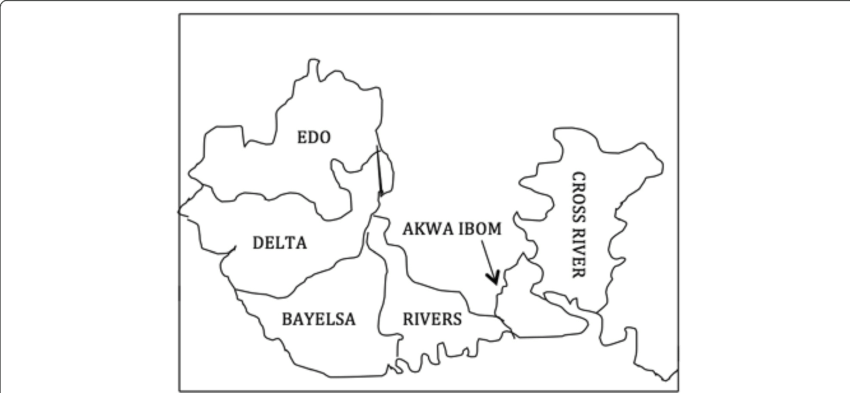
Residents and economic stakeholders in Rivers, Akwa Ibom and Cross River have called on the three state governments to revive moribund public industries, saying the move could create jobs and strengthen local economies.
The stakeholders made the call in a News Agency of Nigeria (NAN) survey conducted across the three South-South states on Monday.
They identified poor management, corruption and political interference among the factors that contributed to the collapse of several government-owned industries established by previous administrations.
The affected establishments include the West African Glass Industry, Rivers State Vegetable Oil Company, Delta Rubber Company, PABOD Breweries and Songhai Farm in Rivers.
Cross River previously had enterprises including Cross River Estate Limited, UNICEM and Metropolitan Hotel, while Akwa Ibom had Qua Steel Products Company, Quality Ceramics Limited, Sunshine Battery Industry and Abestonit Industry Limited.
The stakeholders said the decline of such industries had contributed to unemployment and weakened economic activity in their host communities.
Mr Chidi Nwankwo, an official of Pipe Coaters Nigeria Ltd., Port Harcourt, urged the Rivers Government to conduct an audit of existing industries and identify those that remained economically viable.
He called for incentives, affordable financing, reliable electricity and improved infrastructure to support industrial production.
“The Rivers State Government should identify industries that can still be economically viable and partner private sector investors to revive them.
“Industries require electricity, access to finance, markets, skilled manpower and supportive policies to stay afloat and meet competition,” he said.
Nwankwo also urged the government to maintain industrial policies across successive administrations to provide certainty for long-term investment.
Mrs Amaka Briggs, Founder of The Banks Clothing Line, Trans Amadi Industrial Layout, said infrastructure development should be accompanied by deliberate efforts to create employment.
“We need industries that can absorb our unemployed youths. Roads and flyovers are useful, but people also need jobs and sustainable sources of income,” she said.
Mr Promise George called for public-private partnerships to restore abandoned industrial facilities that required significant capital, modern equipment and professional management.
He also advocated tax incentives and other concessions for investors willing to establish labour-intensive industries.
Dr Ebiye Tamuno, an economist at Rivers State University, said Rivers could use its oil and gas resources as a base for developing related manufacturing and service industries.
He also identified agro-processing, fisheries, construction materials, petrochemicals and marine-related industries as areas with diversification potential.
Tamuno said vocational and technical training should form part of the industrialisation strategy so that young people could acquire skills required by emerging industries.
The Issues
The stakeholders’ concerns extend beyond reopening abandoned factories. They point to the wider challenge of sustaining industries once they are established.
Access to electricity, finance, infrastructure, skilled workers and markets were repeatedly identified as conditions necessary for industrial operations.
The residents also stressed the importance of private-sector participation, arguing that some abandoned facilities would require capital and professional management beyond what state governments could provide directly.
In Akwa Ibom, attention was drawn particularly to the Dakkada Global Oil Palm Plantation in Esit Eket.
Mr Assam Abia, a journalist, urged the Gov. Umo Eno-led administration to make job creation and industrial activity a priority, while Mr Godwin Edoho said the government should do more to revive the plantation.
“We want to see the expansion of the facility, we want to see new seedlings being planted, the farm cannot remain docile and be expected to grow on its own,” Edoho said.
Mr Anietie Matthew, an Esit Eket resident, also called for the revival of Qua Steel Products Company and Qua Ceramics Limited, saying their operations could support employment and businesses in their host communities.
What’s Being Said
The Rivers Government said it recognised industrialisation as important to employment and economic development.
A senior government official, who requested anonymity, said the administration was working to improve the business environment, attract investors and explore opportunities to revive existing state-owned enterprises.
In Akwa Ibom, Commissioner for Information, Mr Aniekan Umana, said the government remained committed to creating conditions for industries to operate.
“To create generational wealth, there must be investment in agriculture, housing, infrastructure among others,” he said.
Umana said the Ibom Paint Industry was fully operational, while the state’s hospitality assets were being rebranded.
He added that the industrial park was being redeveloped to provide infrastructure and opportunities for industries.
In Cross River, Commissioner for Information and Culture, Mr Ekpenyong Cobham, said the government had begun reviewing moribund industries and other assets to stimulate economic activity and create jobs.
He said the administration had revived the garment factory, which had commenced mass production of mosquito nets.
“As a government, we are assessing other industries for possible rehabilitation. This administration is investing in agriculture, particularly cocoa and coffee, to provide sustainable opportunities for youths,” Cobham said.
Mr Castro Ezama, Special Adviser to the Governor on Education, said the state had reclaimed Cross River Estate Limited and Tinapa as part of efforts to restore its industrial capacity.
What’s Next
The three states face different tasks in determining which abandoned industries can be economically revived and which require new investment models.
In Rivers, stakeholders are calling for an audit of existing industrial assets and partnerships with private investors.
Akwa Ibom stakeholders want renewed attention to facilities including the Dakkada Global Oil Palm Plantation, Qua Steel Products Company and Qua Ceramics Limited.
Cross River says it is already assessing moribund industries while investing in agriculture, skills development and the rehabilitation of selected facilities.
The state also recently graduated 4,500 youths trained in areas including drone technology and filmmaking, with beneficiaries assisted with business-name registration.
Bottom Line
Stakeholders in the three South-South states see industrial revival as a potential route to job creation, poverty reduction and economic diversification. Their recommendations centre on viable asset assessment, private-sector investment, infrastructure, financing, skills and policies that can survive changes in government.