










Key Points
- NDPHC says NIPP Phase 2 will focus on renewable energy in Northern Nigeria.
- The company plans to explore solar, mini-hydropower and off-grid solutions.
- NDPHC says more than 1,500MW of generation capacity is mechanically available but only about 500MW is dispatched hourly.
Main Story
The Niger Delta Power Holding Company (NDPHC) is set to begin the second phase of the National Integrated Power Project (NIPP), with a focus on renewable energy investments in Northern Nigeria.
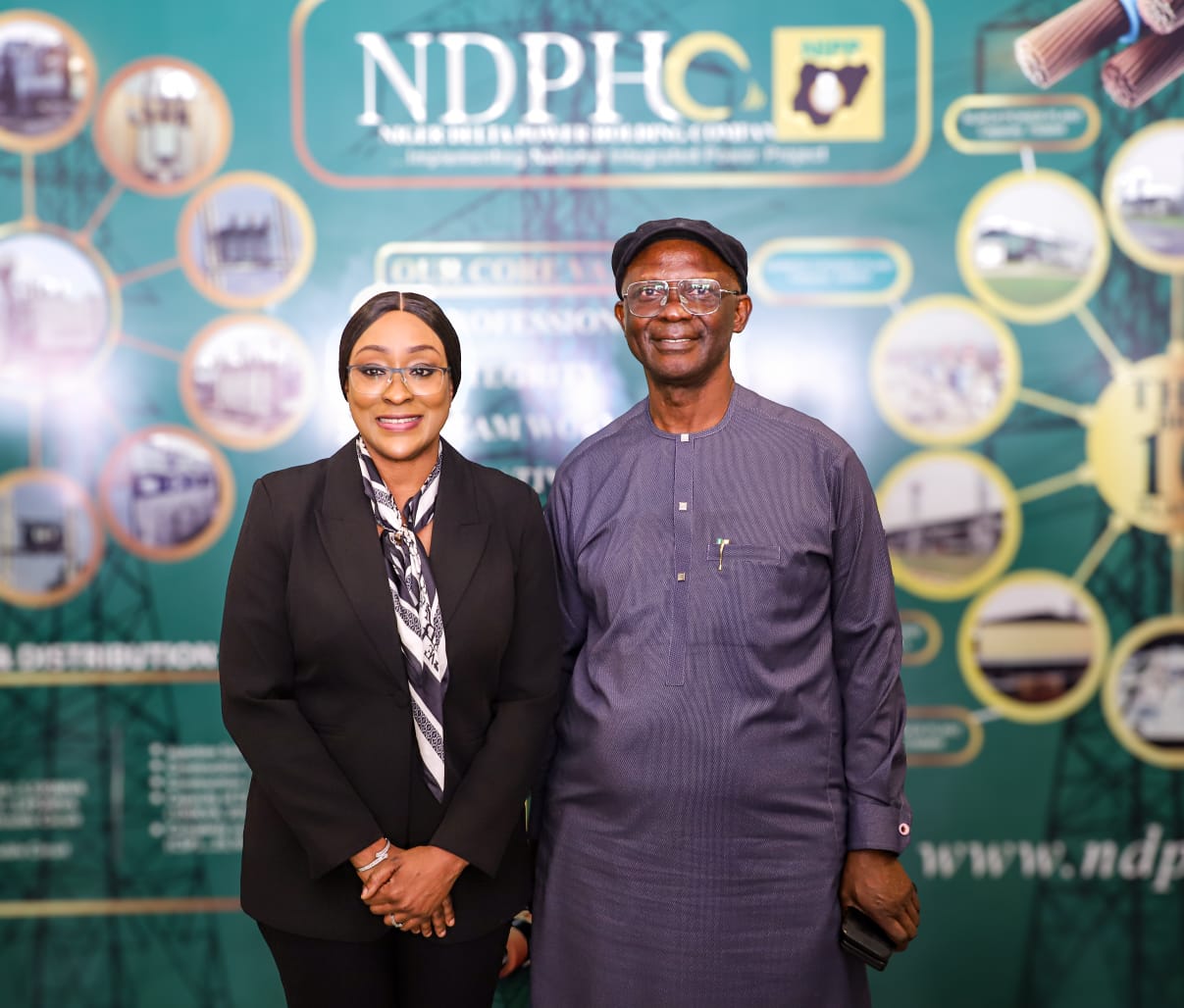
NDPHC Managing Director, Ms Jennifer Adighije, disclosed this on Wednesday in Abuja during an oversight visit to the company’s headquarters by the House of Representatives Committee on Power, chaired by Rep. Victor Nwokolo.
Adighije said the initiative would diversify Nigeria’s electricity generation mix in line with the country’s Energy Transition Plan, particularly by exploiting the solar and other renewable energy resources available in Northern Nigeria.
She said NDPHC was considering off-grid solutions, mini-hydropower projects and other solar interventions to address electricity supply gaps.
“We are currently in NIPP Phase 1, which is power generation from fossil fuels, from gas. NIPP Phase 2, in line with the Energy Transition Plan, is where we are diversifying our generation mix and preparing to transition to renewable energy,” she said.
The Issues
Adighije said NDPHC currently contributes about 4,000MW to Nigeria’s installed generation capacity of approximately 12,000MW, representing about 30 per cent.
Under NIPP Phase 1, the company has built 10 power plants. Seven are commercially operational, two are under construction and one is undergoing upgrades.
The company has also undertaken projects across the transmission and distribution segments. Adighije said 120 transmission projects had been completed, comprising 60 330kV substations, 31 132kV substations and 37 expansion projects, with combined transformer capacity exceeding 10,000MVA.
She said NDPHC had also implemented hundreds of distribution projects involving distribution transformers and 33kV and 11kV lines.
However, transmission constraints, low tariffs, inadequate market settlements, gas supply problems, unpaid debts and vandalism remain major challenges.
Adighije said NDPHC had more than 1,500MW of mechanically available generation capacity but was allocated an hourly dispatch of only about 500MW.
She estimated that the resulting suppressed and stranded capacity had cost the company more than N300 billion and called for regulatory intervention to review the dispatch merit order.
What’s Being Said
“We have also been to their power stations. And honestly, they are taking reasonable actions towards making Nigerians access electricity,” Nwokolo said.
“If they don’t generate, there’s nothing to transmit. If they don’t transmit, there’s nothing to distribute. So, I must commend them,” he said.
What’s Next
Adighije appealed to the House committee to intervene in debts owed NDPHC by electricity market participants, including the Nigerian Bulk Electricity Trading Plc (NBET), which she said had accumulated liabilities exceeding N400 billion.
She also sought settlement of obligations arising from NDPHC assets recognised in the regulated asset base of the Transmission Company of Nigeria (TCN).
The NDPHC managing director said the company had recovered 110 abandoned containers and 216 packages within its first 100 days, saving more than N30 billion.
She also reported the recovery of about $12 million from cross-border bilateral customers in Togo and other debtors, out of outstanding debts exceeding $50 million.
According to her, several turbines had also been recovered across NDPHC power plants, contributing about 470MW to the national grid.
Nwokolo said the committee would examine the challenges raised by NDPHC and work with relevant stakeholders to address them.
He said the legislature would support the company, noting that NDPHC could not resolve all the challenges confronting the power sector on its own.
Bottom Line
NDPHC is preparing to move into renewable power generation under NIPP Phase 2, with planned investments in solar, mini-hydropower and off-grid solutions in Northern Nigeria. The move comes as the company grapples with transmission constraints, market debts and more than 1,000MW of available generation capacity that it says is currently not being fully dispatched.








 is set to begin the second phase of the National Integrated Power Project ...)