







Key points
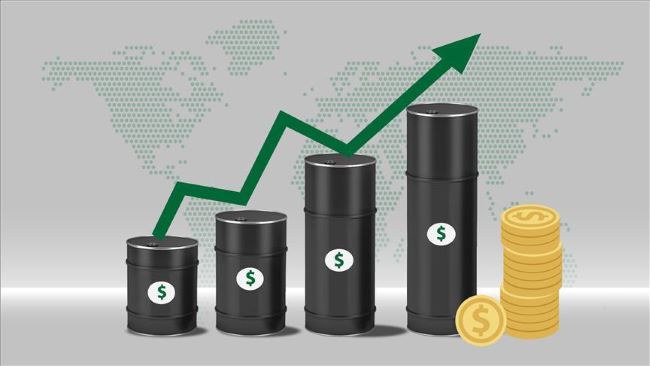
- Brent crude rose 3.7 per cent to $91.68 per barrel amid renewed US-Iran hostilities.
- Concerns over shipping security in the Strait of Hormuz are raising the risk of supply disruptions.
- A tanker was reportedly struck by three projectiles while leaving the strait off Oman.
Main story
Oil prices rose sharply on Tuesday as renewed hostilities between the United States and Iran heightened concerns over possible disruptions to crude shipments through the Strait of Hormuz.
Brent crude futures for December delivery rose 3.7 per cent to $91.68 per barrel, from $88.37 at the previous close.
US benchmark West Texas Intermediate (WTI) crude futures for October delivery also increased, trading at $86.90 per barrel compared with $85.76 previously.
The gains came as renewed US-Iran clashes increased security risks around the Strait of Hormuz, a major transit route for global oil supplies.
The latest escalation has raised concerns that attacks on shipping could disrupt the movement of crude and fuel through the waterway, potentially tightening physical oil markets.
US President Donald Trump said on Monday that the Strait of Hormuz remained in “extremely good shape”, claiming that US naval assistance had enabled an average of 30 ships to pass through the waterway each night.
However, the UK Maritime Trade Operations (UKMTO) reported early Tuesday that a tanker was struck by three unknown projectiles while exiting the Strait of Hormuz off Oman.
The incident has heightened concerns about the security of commercial shipping in the area, even if the waterway remains operational.
Higher security risks could increase shipping costs, delay tanker movements and encourage some operators to avoid the route.
Any prolonged disruption to shipping through the strait could place additional upward pressure on international oil prices because of its importance to global energy trade.
The latest developments followed weekend US strikes on Iran’s Larak Island, located near the Strait of Hormuz.
Iran subsequently launched retaliatory attacks on sites used by US forces in Jordan and the United Arab Emirates.
Trump said the United States would respond to the Iranian attacks on American forces.
Iran, meanwhile, warned that any location used to launch US attacks against its territory would be targeted.
The country accused Washington of continuing to use the territory, airspace and facilities of regional countries to conduct attacks against Iran.
The issues
The immediate concern for oil markets is whether the renewed US-Iran confrontation will result in sustained disruption to shipping through the Strait of Hormuz.
The waterway is critical to global energy trade, meaning prolonged disruption could restrict the movement of crude and fuel and push prices higher.
Even without a complete closure, increased security risks could raise insurance and transportation costs and cause delays for oil tankers.
The reported tanker attack has therefore increased the risk premium being priced into crude markets.
What’s being said
“We’re going to hit them hard. There will be a response.” — Donald Trump, US President
“The Strait of Hormuz is in extremely good shape.” — Donald Trump, US President
What’s next
Oil markets will continue to monitor developments around the Strait of Hormuz and assess whether the latest hostilities result in sustained disruptions to crude and fuel shipments.
Further attacks on commercial vessels or restrictions on tanker movements could place additional upward pressure on oil prices.
A reduction in tensions and continued passage of vessels through the waterway, however, could ease some of the supply concerns currently supporting prices.
Bottom line
Oil prices are rising as renewed US-Iran hostilities increase fears of disruption to shipping through the Strait of Hormuz.
The reported attack on a tanker has added to those concerns, with the direction of crude prices likely to depend on whether the security situation develops into sustained disruption of global oil flows.