




Key points
- President Bola Tinubu and state governors have agreed to work together to reduce transport fares from Oct. 1 through cheaper CNG and electric vehicles.
- More than 120,000 vehicles have been converted to CNG, while another 100,000 conversion kits are being processed.
- The Federal Government plans to increase the number of CNG refuelling stations nationwide to 1,000.
Main story
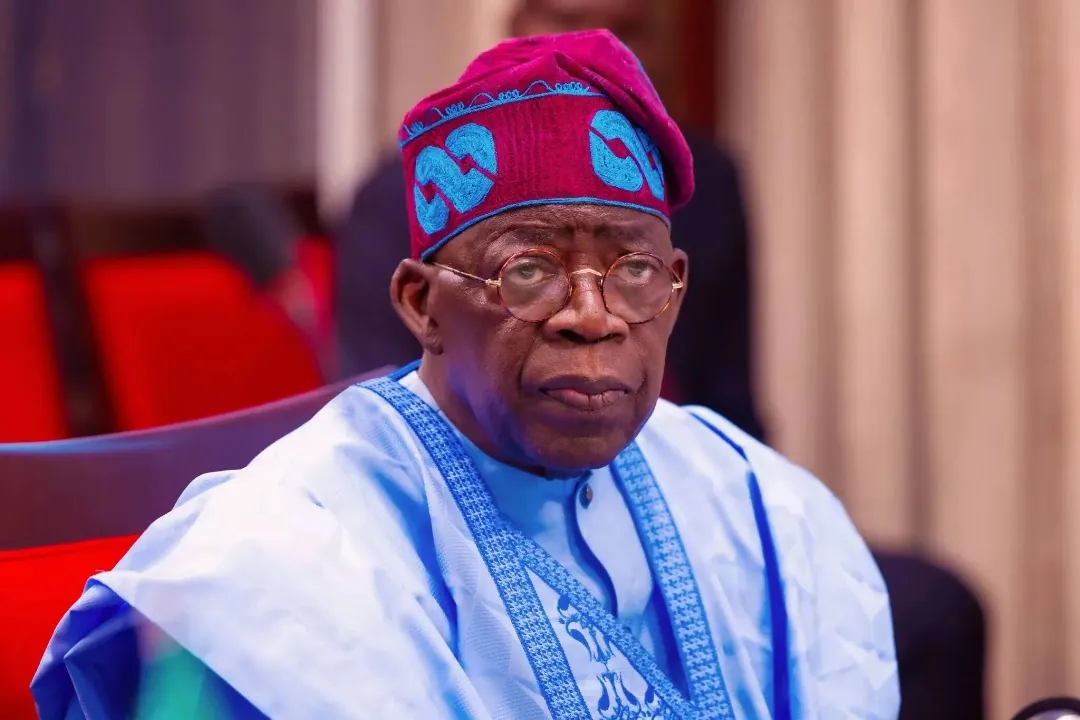
President Bola Tinubu and state governors have agreed to work together to reduce transport fares from Oct. 1 by expanding the use of cheaper Compressed Natural Gas (CNG) and electric vehicles.
Tinubu disclosed this on Thursday after meeting with the governors at the State House in Abuja on the sidelines of the National Economic Council (NEC) meeting, saying the agreement was intended to ensure that Nigerians benefit directly from savings generated by the Federal Government’s energy transition programme.
He said the governors had resolved to take immediate measures to reduce transportation costs in their respective states, with cheaper fuel expected to translate into lower fares.
The agreement comes as the Federal Government expands CNG infrastructure and vehicle conversions as part of efforts to reduce transportation costs and ease economic pressure on Nigerians.
Tinubu said more than 120,000 vehicles had so far been converted to CNG nationwide, while more than 100,000 additional conversion kits were being processed.
To support the growing number of CNG-powered vehicles, the Federal Government is also investing in conversion centres and refuelling infrastructure across the country.
Through the Midstream and Downstream Gas Infrastructure Fund, the government is financing more than 100 gas projects, including 15 CNG mother stations and 86 daughter stations.
Tinubu said four of the projects had already been commissioned in Lagos, Abuja and Owerri, while the government had directed the rollout of another 500 CNG refuelling stations.
The additional stations will bring the planned national total to 1,000, when combined with the 500 previously ordered.
According to Tinubu, vehicles operating on CNG can spend significantly less on fuel than petrol-powered vehicles, creating an opportunity for lower transportation costs if the savings are passed on to commuters.
He said intra-state transportation was where Nigerians experienced transport costs most directly and therefore required greater involvement from state governments.
The President said a joint Federal and State committee would be established to begin implementing the measures agreed at the meeting.
Beyond transportation, Tinubu urged state governments to intensify efforts to reduce poverty and improve living conditions, stressing the need for closer collaboration between the Federal Government and subnational governments.
He also urged governors to encourage farmers to participate in the Federal Government’s agricultural mechanisation programme, which is supported by six maintenance centres across the country.
The meeting also included political discussions, during which the governors pledged support for Tinubu’s bid for another term in the 2027 general elections.
The issues
The agreement seeks to connect the expansion of CNG infrastructure with lower transportation costs for Nigerians.
The immediate challenge will be ensuring that savings from cheaper fuel are actually reflected in transport fares, while the expansion of conversion centres, refuelling stations and CNG-powered vehicles continues.
The planned joint Federal and State committee is expected to coordinate the implementation of the measures.
What’s being said
“ We have agreed that cheaper fuel should result in cheaper fares. From October 1, our goal is that Nigerians begin to partake in those savings through lower transport fares.” — President Bola Tinubu
“A vehicle running on CNG spends 60 to 80 per cent less on fuel than one running on petrol.” — President Bola Tinubu
“Intra-state transport is where Nigerians feel the cost most directly, and it is where the states hold the levers.” — President Bola Tinubu
What’s next
A joint Federal and State committee will be established to implement the measures agreed by Tinubu and the governors.
The Federal Government will also continue the rollout of CNG conversion infrastructure and refuelling stations, while state governments are expected to take measures to reduce transport fares from Oct. 1.
Bottom line
The Federal Government and state governments are targeting lower transport fares from Oct. 1 by passing the savings from cheaper CNG and other energy-transition measures to commuters.
The success of the plan will depend on the continued expansion of CNG infrastructure and whether the lower fuel costs translate into actual reductions in transport fares.