




Key Points
- Tinubu charges INEC to deliver a transparent, free and fair election.
- More than 15,000 police officers and 10,000 NSCDC personnel deployed for the poll.
- About 1.9 million registered voters are expected to participate.
- HURIWA demands neutrality from INEC, police and EFCC.
- PDP officials allege missing ballot papers and pockets of violence; the claims were not independently verified.
- Former INEC Resident Electoral Commissioner, Prof. Layi Olurode, predicts a competitive but potentially peaceful election.
- Security agencies are deploying armoured vehicles, aerial surveillance and other assets across identified hotspots.
- The election is being watched as a major test of INEC and security agencies ahead of the 2027 general election.
Main Story
The stakes are high in Osun State as voters go to the polls today to elect a governor for the next four years, with President Bola Tinubu directing security agencies to ensure that no violence, intimidation or disruption undermines the electoral process.
With 15 candidates on the ballot, including incumbent Governor Ademola Adeleke of the Peoples Democratic Party (PDP), Munirudeen Bola Oyebamiji of the All Progressives Congress (APC) and Najeem Salaam of the African Democratic Congress (ADC), the contest is shaping up as one of the most closely watched off-cycle elections ahead of the 2027 general election.
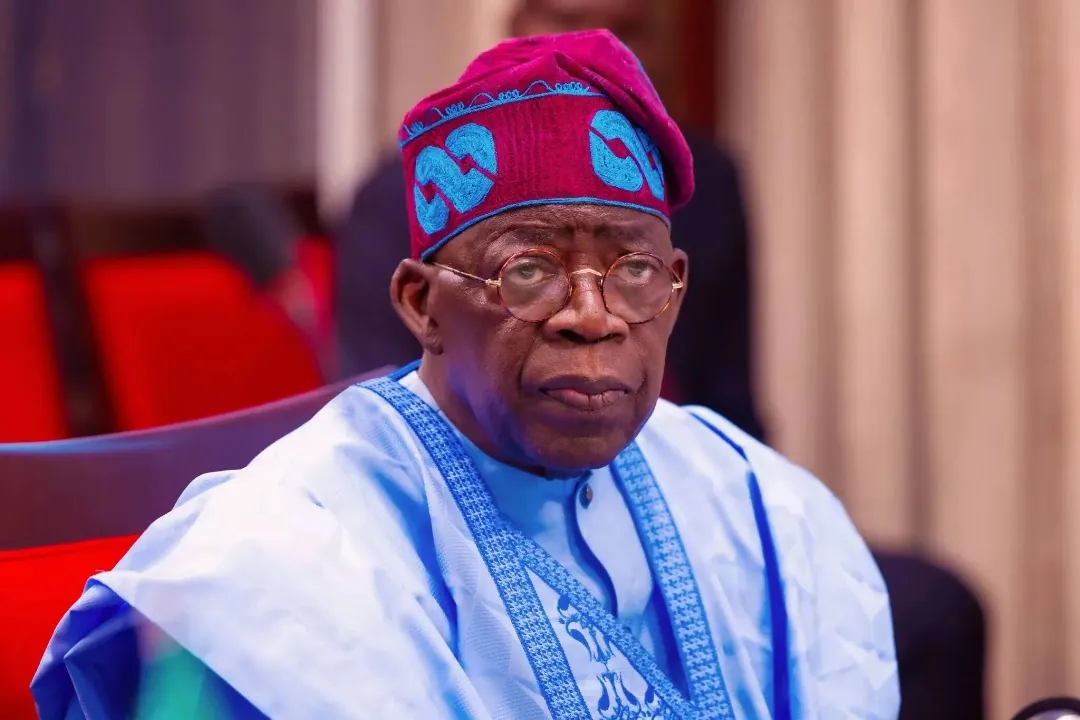
Tinubu, in a statement issued by his Special Adviser on Information and Strategy, Bayo Onanuga, urged the Independent National Electoral Commission (INEC) to uphold the integrity of the process and ensure that the outcome reflects the will of Osun voters.
The President described the poll as the last off-cycle governorship election before the 2027 general election, urging INEC to use it as a demonstration of its preparedness for the nationwide exercise.
“The election must be transparent, free and fair. I urge INEC to ensure the integrity of the process.”
He also directed the Inspector-General of Police and other security chiefs deployed to Osun to provide maximum protection for voters and electoral officials.
“No room should be allowed for troublemakers to disrupt the process.”
Tinubu further urged eligible voters to turn out and cast their ballots without fear, while calling on political parties and their supporters to respect the democratic process and accept the eventual result.
Security Takes Centre Stage
The President’s directive has translated into a heavy security presence across the state.
According to the supplied report, more than 15,000 police personnel have been deployed, alongside 10,000 personnel of the Nigeria Security and Civil Defence Corps (NSCDC).
The Federal Road Safety Corps (FRSC) is also deploying 2,500 officials, including personnel and ambulances for emergency response.
Military personnel in armoured vehicles were reportedly deployed along major highways and identified hotspots in Osogbo, Ikirun, Ilesa, Ede and Ile-Ife, while military patrols were also sighted around Olaiya and the Gbongan-Ibadan expressway.
Security sources also indicated that drones and helicopters would be deployed for aerial surveillance.
The scale of the deployment underscores the authorities’ determination to prevent the kind of violence, intimidation and disruption that have historically threatened Nigerian elections.
But it also places a significant responsibility on the security agencies: to protect the electoral process without becoming a source of intimidation themselves.
HURIWA Demands Neutrality
The Human Rights Writers Association of Nigeria (HURIWA) has called on INEC, the Nigeria Police Force and the Economic and Financial Crimes Commission (EFCC) to maintain strict neutrality before, during and after the election.
The group warned against vote-buying, ballot snatching, armed thuggery, voter intimidation and harassment of opposition supporters.
HURIWA argued that security agencies must demonstrate that they serve the Nigerian state rather than any political party or candidate.
It also called for greater transparency in the transmission, collation and publication of polling-unit results, warning that an opaque results-management process could create suspicion and undermine public confidence in the outcome.
“Political power must come from the ballot box and not from the barrel of a gun, bags of money or the manipulation of electoral institutions.”
For the rights group, Osun is bigger than the immediate contest. The election could influence public perception of whether Nigeria’s electoral institutions are genuinely prepared for the much larger political battle expected in 2027.
The Issues
1. Security versus intimidation
The extensive deployment of security personnel may reassure voters, particularly in areas previously associated with political violence.
However, a heavily militarised election environment can also generate anxiety if security personnel are perceived as partisan or overly aggressive.
The critical balance is therefore security without intimidation and enforcement without political interference.
2. Alleged ballot irregularities
Fresh concerns were raised by PDP figures Diran Odeyemi and Kamorudeen Ajisafe, who alleged that thousands of ballot papers were missing in some wards.
Ajisafe alleged that about 4,000 ballot papers for Wards 4 and 5 were missing, alongside 1,189 in Ward 6 and another 338 in Ward 8 of Irepodun Local Council. However, the report notes that a source within INEC dismissed the allegation.
These claims should therefore be treated as allegations pending independent verification.
3. Vote-buying and economic pressure
Religious leader Yahqub Abdulbaki Muhammed also raised concerns over vote-buying, arguing that economic hardship has increased voters’ vulnerability to financial inducements.
The issue remains one of the most persistent threats to Nigeria’s electoral credibility because it can distort voters’ choices while remaining difficult to detect and prosecute effectively.
4. INEC’s credibility
The election provides another opportunity for INEC to demonstrate that improvements in electoral technology and procedures can translate into credible results on the ground.
For voters, the ultimate test will not simply be whether polling units open, but whether votes are protected from the polling unit through collation and declaration.
What They’re Saying
President Bola Tinubu urged INEC to ensure the election was transparent and credible, while directing security agencies to protect voters and electoral personnel.
HURIWA demanded neutrality from INEC and security agencies, warning against violence, vote-buying and manipulation of electoral institutions.
Prof. Layi Olurode, a political scientist and former INEC Resident Electoral Commissioner, described the contest as highly competitive but expressed optimism that the election could remain peaceful.
“Nobody can beat his chest and say this is the party that is going to win this election.”
Olurode also said the political strength of the major contenders made the result difficult to predict.
Meanwhile, religious leaders urged voters to participate peacefully, while warning against inflammatory rhetoric and other conduct capable of worsening political tensions.
What’s Next
The immediate focus is now on the polling, counting, collation and declaration of results.
INEC will face the task of ensuring that electoral materials reach polling units, voters are allowed to cast their ballots freely and results are accurately transmitted and collated.
Security agencies, meanwhile, will be expected to maintain order without interfering with the democratic rights of citizens.
Political parties and candidates will also have a crucial role to play by restraining supporters from violence and accepting lawful channels for challenging any disputed outcome.
Beyond Osun, the election will serve as an important rehearsal for 2027.
A peaceful and credible poll could strengthen confidence in Nigeria’s electoral institutions. Conversely, allegations of manipulation, violence or opaque results management could deepen public distrust ahead of the general election.
Beyond the Ballot
The relative calm reported across several parts of Osun on the eve of the election offers some encouragement, but it does not eliminate the deeper challenges surrounding electoral security.
The persistence of political thuggery, cult-related activities, vote-buying and youth mobilisation for violence cannot be solved through election-day security deployment alone.
These problems are rooted in wider political, economic and institutional weaknesses that require sustained intervention beyond the electoral cycle.
For today, however, the priority is straightforward: protect the voter, secure the ballot, preserve the integrity of the count and ensure that the winner emerges from the people’s votes.
Bottom Line
OsunDecides is more than a contest between 15 candidates. It is a test of Nigeria’s democratic institutions, security architecture and readiness for 2027.
With nearly 1.9 million voters expected at the polls and an unprecedented security presence across the state, the real measure of success will not be the size of the deployment but whether citizens can vote freely and whether their votes are counted transparently.