











By Boluwatife Oshadiya, Energy Correspondent | August 3, 2026
Key Points
- Nigeria exported an estimated 182.2 million barrels of crude oil worth N24.02tn in the first six months of 2026
- Stronger international crude oil prices boosted export value despite only modest increases in export volumes
- Concerns persist over adequate crude supply for domestic refineries amid continued reliance on crude exports
Main Story
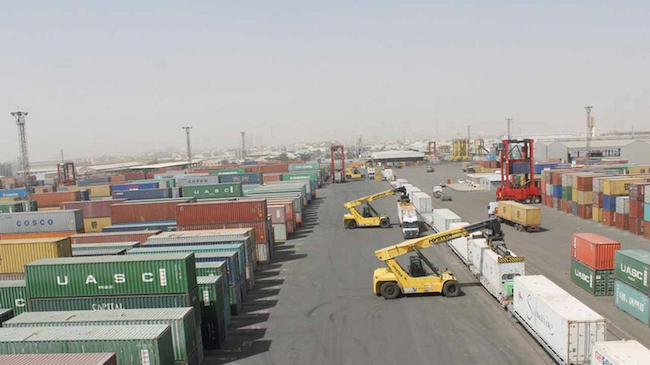
Nigeria generated an estimated N24.02tn ($17.60bn) from crude oil exports in the first half of 2026, as stronger global oil prices significantly increased the value of the country’s shipments despite ongoing concerns over crude supply to domestic refineries.

An analysis of crude oil production and export data from January to June 2026 showed that Nigeria exported approximately 182.2 million barrels of crude oil during the period. Based on an exchange rate of N1,365/$, the exports were valued at about N24.02tn, while total crude production reached an estimated 263.65 million barrels worth $25.41bn (N34.69tn), according to data from the Central Bank of Nigeria.
Production fluctuated throughout the six-month period, falling from 45.26 million barrels in January to 36.68 million barrels in February before recovering steadily through June. Average daily production also improved from 1.46 million barrels per day in January to 1.56 million barrels per day in June after dipping to 1.31 million barrels per day in February.
Crude exports mirrored the production trend, rising from 1.01 million barrels per day in January to 1.11 million barrels per day in June, although exports temporarily declined to 860,000 barrels per day in February.
The analysis indicated that Nigeria exported roughly 69 per cent of its crude production during the review period, leaving about 81.45 million barrels for domestic refining, storage, operational requirements and inventory adjustments.
Industry data showed that higher export earnings were driven primarily by elevated international crude prices, particularly between March and May, when geopolitical tensions in the Middle East and disruptions along the Strait of Hormuz pushed oil prices higher. Although prices moderated in June, they remained above levels recorded at the start of the year, sustaining the overall value of Nigeria’s crude exports.
The estimates represent the gross market value of crude produced and exported and do not reflect the Federal Government’s actual earnings, which are influenced by production-sharing agreements, royalties, taxes, operating costs, domestic supply obligations and other commercial arrangements.
The Issues
Nigeria’s strong crude export performance comes amid renewed concerns over the availability of feedstock for local refineries. Industry stakeholders have repeatedly argued that crude producers continue to prioritise exports because of stronger commercial returns despite the Domestic Crude Supply Obligation (DCSO) established under the Petroleum Industry Act.
Recent disagreements between the Federal Government and local refiners have also highlighted challenges in implementing the DCSO, raising questions about the country’s ability to simultaneously maximise export earnings and support domestic refining capacity.
What’s Being Said
“Most modular refineries obtain crude directly from private oil producers rather than through government allocations,” said Eche Idoko, Publicity Secretary of the Crude Oil Refinery Owners Association of Nigeria (CORAN).
He called on the Federal Government to fully enforce the Domestic Crude Supply Obligation to guarantee sufficient feedstock for local refineries while sustaining Nigeria’s crude production and export targets.
Earlier, Dangote Petroleum Refinery alleged that inadequate implementation of the DCSO had constrained crude supply to its facility and affected refining operations, although the Federal Government has denied the claims.
What’s Next
- The Federal Government is expected to continue efforts to improve crude production while balancing export commitments with domestic refining needs
- Industry stakeholders are pushing for stricter enforcement of the Domestic Crude Supply Obligation under the Petroleum Industry Act
- Market participants will monitor international crude prices and production levels in the second half of 2026 for their impact on Nigeria’s oil export earnings
The Bottom Line: Nigeria’s crude exports continue to underpin the country’s foreign exchange earnings, but the figures also highlight the difficult balance between maximising export revenue and ensuring sufficient crude supply for domestic refining. Sustained improvements in both production and implementation of domestic supply obligations will be critical to achieving both objectives.










 from crude oil exports in the first half of 2026, as stronger global oil prices..)