





By Boluwatife Oshadiya | July 13, 2026
Key Points
- FIFA is considering expanding the 2030 World Cup from 48 to 64 teams
- FIFA President Gianni Infantino says the proposal will be reviewed after the 2026 tournament
- Any expansion would require approval from FIFA’s decision-making bodies
Main Story
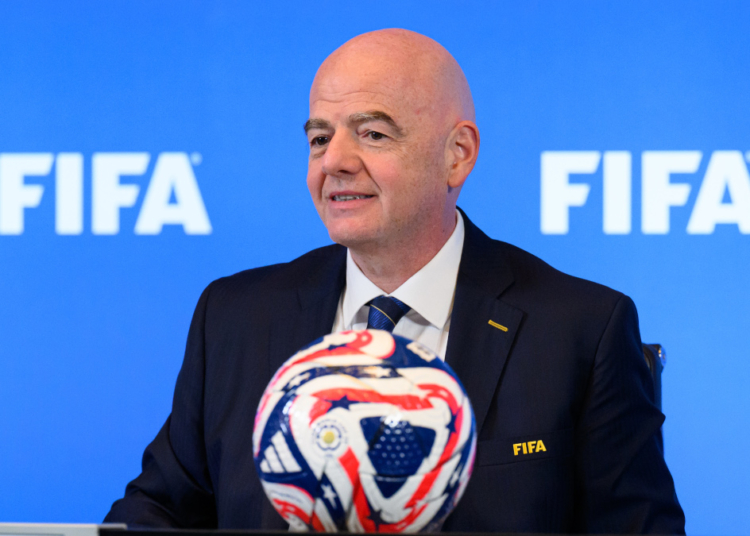
FIFA is considering expanding the FIFA World Cup to 64 teams ahead of the 2030 tournament, with President Gianni Infantino saying the proposal will be examined after the successful rollout of the new 48-team format at the 2026 finals.
Speaking on the future of the competition, Infantino said FIFA’s relevant committees would evaluate the proposal once the current tournament concludes, noting that broader participation would strengthen football’s global development.
“That’s definitely an issue that will be examined and discussed in the relevant committees after this World Cup,” Infantino said.
He argued that the World Cup should provide opportunities for countries across every continent, adding that greater participation would encourage investment in football development and improve competitiveness worldwide.
The World Cup expanded from 32 to 48 teams beginning with the 2026 edition, increasing the tournament to a record 104 matches. Infantino described the new format as a success, citing improved performances from emerging football nations and increased continental representation.
The 2030 FIFA World Cup will be jointly hosted by Morocco, Portugal and Spain, while Uruguay, Argentina and Paraguay will each stage one opening match to commemorate the competition’s centenary.
Should FIFA approve the proposal, the tournament would become the largest in the competition’s history, with additional places available for national teams and greater hosting responsibilities for participating countries.
What’s Being Said
“When organising a World Cup, it’s important to organise it for the whole world, not just Europe and South America, but effectively the entire world. Every nation should be allowed to dream of participating in the World Cup,” said Gianni Infantino, FIFA President.
Football analysts have noted that while expansion could improve global representation and commercial revenues, it may also raise concerns over fixture congestion, player welfare and tournament logistics.
What’s Next
- FIFA’s committees are expected to review the proposal after the conclusion of the 2026 FIFA World Cup.
- Any expansion to 64 teams will require approval from FIFA’s governing bodies before implementation.
- Preparations for the 2030 World Cup will continue under the current 48-team framework unless a formal decision is reached.
The Bottom Line: Expanding the World Cup would further globalise football and create opportunities for more nations to compete on the sport’s biggest stage. However, FIFA will need to balance inclusivity with the sporting, commercial and logistical demands of organising what would become the largest World Cup in history.