










Key points
- China’s smart pet care market is expanding as demand for AI-powered products grows.
- The country’s urban cat and dog population has exceeded 126 million.
- Smart feeders, health-monitoring collars and AI-enabled pet devices are gaining popularity.
- The pet consumer market was projected to be worth about $46 billion in 2025.
Main story
China’s smart pet care market is expanding rapidly as rising pet ownership and advances in artificial intelligence (AI) drive demand for technology-enabled pet products.
According to the Belt and Road News Network (BRNN), China’s urban cat and dog population had exceeded 126 million by 2025, with the pet consumer market valued at about $46 billion.
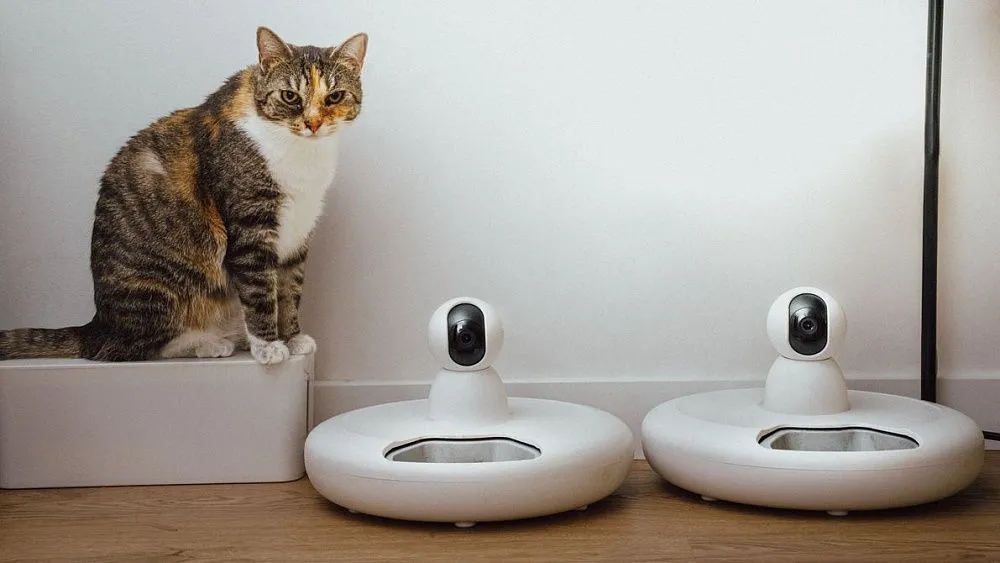
The growing demand has fuelled the development of a wide range of AI-powered products, including smart cameras, automatic feeders, water dispensers, wearable devices and companion robots.
At a pet products exhibition held in Shanghai this spring, companies showcased technologies designed to improve pet care through automation, health monitoring and remote interaction.
One pet owner, identified as Wang, said she uses a facial recognition-enabled feeder that creates individual profiles for each of her cats, allowing her to monitor their feeding patterns and food levels remotely through a mobile application.
Manufacturers are also introducing wearable devices capable of monitoring pets’ activity levels, sleep patterns and heart rates, with owners receiving instant alerts when abnormal readings are detected.
Some companies have developed integrated pet care ecosystems combining smart feeding bowls, water dispensers, AI-powered litter trays and digital platforms that analyse and track pets’ health data.
The market has also seen the introduction of smartphones designed specifically for pets, enabling owners to communicate remotely, issue training commands, monitor locations through GPS and view live footage from cameras attached to the devices.
The issues
China’s pet care industry is increasingly embracing artificial intelligence to improve convenience, health monitoring and interaction between owners and their pets. The shift reflects broader consumer demand for smart home technologies and digital healthcare solutions, with manufacturers moving beyond automated feeding towards integrated AI-powered pet management systems.
What’s being said
“Even if I add large chunks of freeze-dried food, the device works flawlessly. When I’m away on business, I use the app to monitor when and how much each cat has eaten.” — Wang, pet owner
What’s next
Industry players are expected to continue investing in AI-driven pet technologies, with future innovations likely to focus on deeper health analytics, real-time communication and enhanced interaction between pets and their owners.
Bottom line
China’s growing pet ownership and rapid advances in AI are driving demand for smart pet care technologies, transforming pet management from basic automation to connected, data-driven care.









 drive demand ...)