








By Boluwatife Oshadiya | June 30, 2026
Key Points
- Federal Executive Council approves financing packages worth $2.96 billion, €200 million and ₦215 billion for key sectors of the economy
- Funding targets transportation, agriculture, renewable energy, infrastructure and affordable financing for MSMEs
- Federal Government says the investments are designed to accelerate economic growth under the Renewed Hope Agenda
Main Story
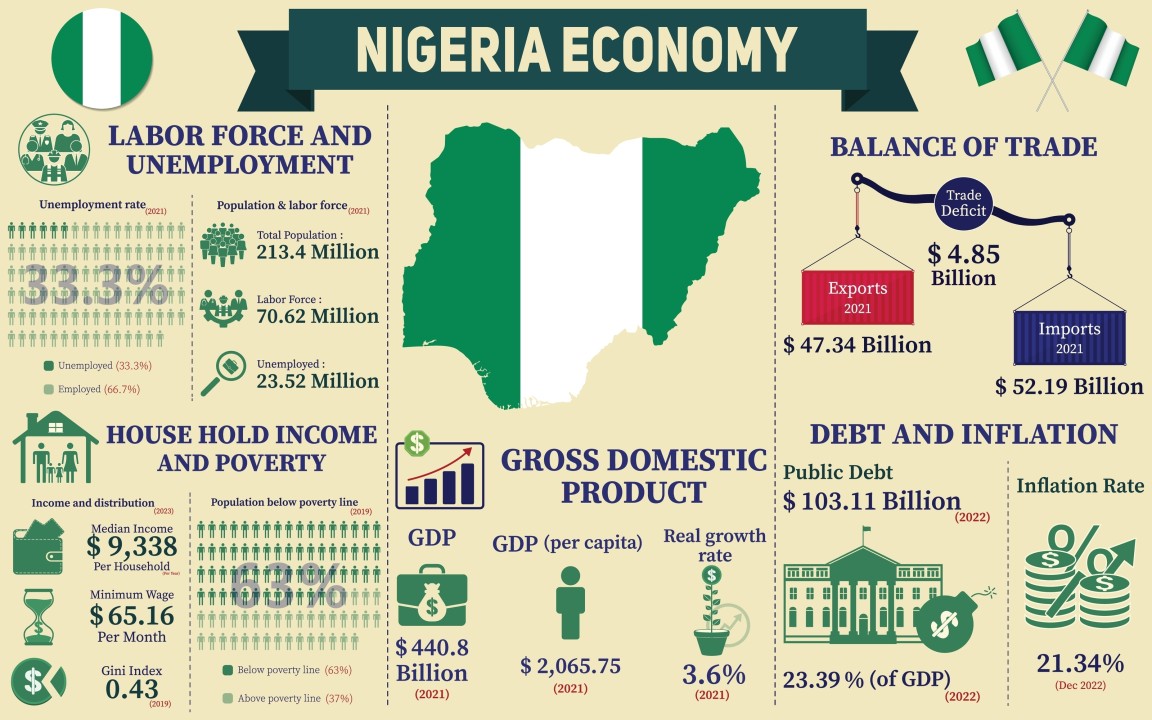
Nigeria’s Federal Executive Council (FEC) has approved financing packages valued at $2.96 billion, €200 million and ₦215 billion to support transportation, agriculture, renewable energy, infrastructure development and financing for micro, small and medium-sized enterprises (MSMEs), in one of the administration’s largest coordinated investment approvals this year.
The approvals were announced on Monday by the Minister of Finance and Coordinating Minister of the Economy, Wale Edun, following the FEC meeting chaired by President Bola Tinubu at the Presidential Villa, Abuja. The Council considered 14 memoranda presented by the Ministry of Finance, with the projects grouped into five strategic pillars aligned with the Federal Government’s Renewed Hope Agenda.
A major component of the approvals is ₦215 billion earmarked for completing outstanding investments under the Presidential Compressed Natural Gas (CNG) Initiative. The funding will support the procurement of CNG-powered buses, electric vehicles, tricycles and the expansion of conversion centres aimed at reducing transportation costs and easing pressure from rising fuel prices.
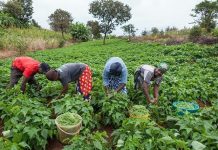
The Council also approved $900 million in financing for agricultural development, covering Special Agro-Industrial Processing Zones, rural technical training programmes and initiatives to strengthen agricultural value chains, processing capacity and value addition across the country.
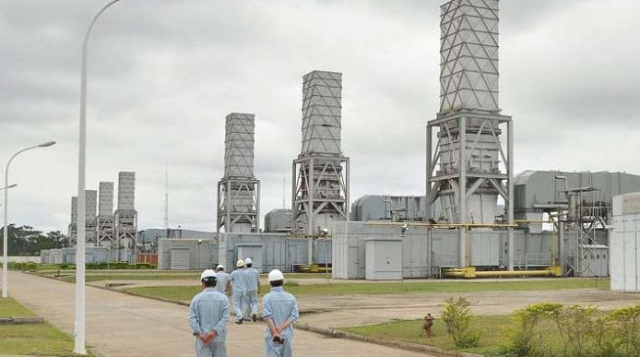
In the power sector, FEC approved a $160 million renewable energy facility comprising $150 million from the Islamic Development Bank and $10 million in counterpart funding from the Niger State Government to expand rural solar electrification.
Infrastructure development also received a significant boost with the approval of a $1.2 billion financing facility for Section II of the Sokoto–Badagry Super Highway, a flagship project expected to improve logistics, interstate connectivity and economic activities across 11 states.
To improve access to finance for small businesses, the Council approved an additional €200 million and $500 million financing package through the Development Bank of Nigeria (DBN). The facility is expected to expand affordable credit for MSMEs, a sector widely regarded as the backbone of Nigeria’s economy.
“For Council, we made very strategic decisions, which I have categorised under five headings,” Edun said while briefing State House Correspondents after the meeting.
What’s Being Said
The Finance Minister said the approved financing reflects the government’s commitment to stimulating investment and productivity across critical sectors of the economy.
“The first approval focuses on transportation and how to reduce its cost,” Edun said, noting that the CNG investments would complete ongoing projects under the Presidential CNG Initiative.
On support for small businesses, he added: “We must continue to support small businesses because supporting them is supporting ourselves,” stressing that expanding access to affordable financing would strengthen Nigeria’s productive capacity and create jobs.
What’s Next
- The Ministry of Finance and implementing agencies are expected to conclude financing agreements and begin project disbursements in the coming months.
- The Development Bank of Nigeria will commence arrangements for the rollout of new MSME financing under the approved facilities.
- Ministries overseeing transportation, agriculture, power and infrastructure are expected to provide implementation timelines as the projects move into execution.
Bottom Line
The Bottom Line: The scale and diversity of the approved financing underscore the Federal Government’s strategy of using targeted investments to stimulate economic activity across multiple sectors simultaneously. The success of the initiative, however, will depend less on the size of the approvals and more on timely disbursement, effective project execution and measurable economic outcomes.







 has approved financing packages valued at $2.96 billion, €200 million and ₦215 billion to support)