









Key points
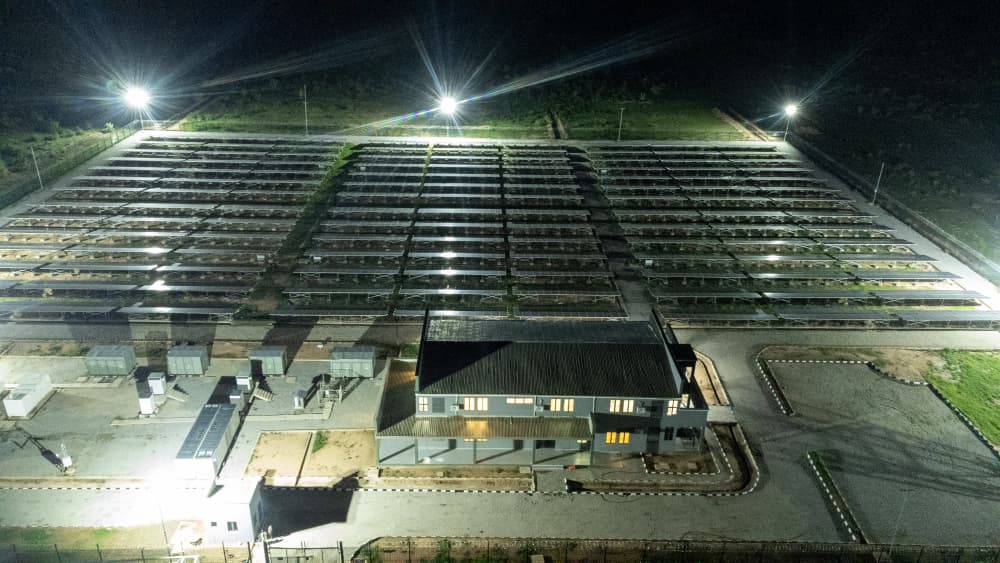
- REA is constructing a 1.9MVA solar hybrid power plant at the Federal University, Dutsin-Ma.
- The project includes a 2MW Battery Energy Storage System and upgraded power distribution infrastructure.
- It is being funded by the African Development Bank under the Energising Education Programme Phase 3.
- The initiative also features a renewable energy training school to equip students with practical skills.
Main story
The Rural Electrification Agency (REA) says it is constructing a 1.9MVA Solar Hybrid Power Plant with a 2MW Battery Energy Storage System at the Federal University, Dutsin-Ma, Katsina State, to provide reliable and sustainable electricity for the institution.
The Managing Director of the REA, Dr Abba Aliyu, disclosed this in a post on his official X handle.
Aliyu said the project is being implemented under Phase Three of the Energising Education Programme (EEP-3), an initiative designed to improve electricity supply to tertiary institutions across Nigeria.
According to him, the project will ensure uninterrupted power for teaching, research, healthcare services and other academic activities within the university.
He said the intervention goes beyond electricity generation to include upgrades to the institution’s 33kV and 11kV distribution networks, low-voltage infrastructure, smart metering and billing systems, CCTV installations, solar-powered street lighting and the establishment of a dedicated renewable energy training school.
Aliyu said the project is being delivered through a partnership involving the African Development Bank (AfDB) as the funding partner, the Rural Electrification Agency as the implementing agency and KELM Engineering as the Renewable Energy Service Company responsible for execution.
He noted that the collaboration demonstrates what can be achieved when development partners, government and the private sector work together to expand energy access.
The REA boss said the initiative would create an enabling environment for uninterrupted learning, improve research activities, strengthen healthcare services on campus and provide students with practical skills in renewable energy technologies.
He added that the Energising Education Programme was designed not only to provide clean and reliable electricity to educational institutions but also to prepare the next generation of innovators, engineers and technology professionals.
Aliyu reaffirmed the agency’s commitment to expanding energy access across tertiary institutions, describing electricity as a critical investment in education, innovation and national development.
The issues
Many Nigerian tertiary institutions continue to face unreliable electricity supply, affecting teaching, research, healthcare and campus operations. The Energising Education Programme seeks to address this challenge by deploying renewable energy infrastructure that reduces dependence on the national grid while promoting clean energy adoption.
What’s being said
“A university should never have to pause learning, research, or innovation because of unreliable electricity.” — Dr Abba Aliyu
“This project goes beyond powering buildings. It creates an environment where students can learn without interruption, researchers can work with confidence, healthcare services can function more effectively, and young Nigerians can acquire practical skills in renewable energy technologies.” — Dr Abba Aliyu
What’s next
Construction of the power infrastructure is expected to continue under the Energising Education Programme Phase Three, with the project set to improve electricity supply and strengthen renewable energy capacity development at the Federal University, Dutsin-Ma.
Bottom line
The REA says its latest solar hybrid project at the Federal University, Dutsin-Ma will provide reliable electricity while supporting research, skills development and the transition to clean energy in Nigeria’s higher education sector.










 says it is constructing a 1.9MVA Solar Hybrid Power Plant with a 2MW Battery Energy ...)