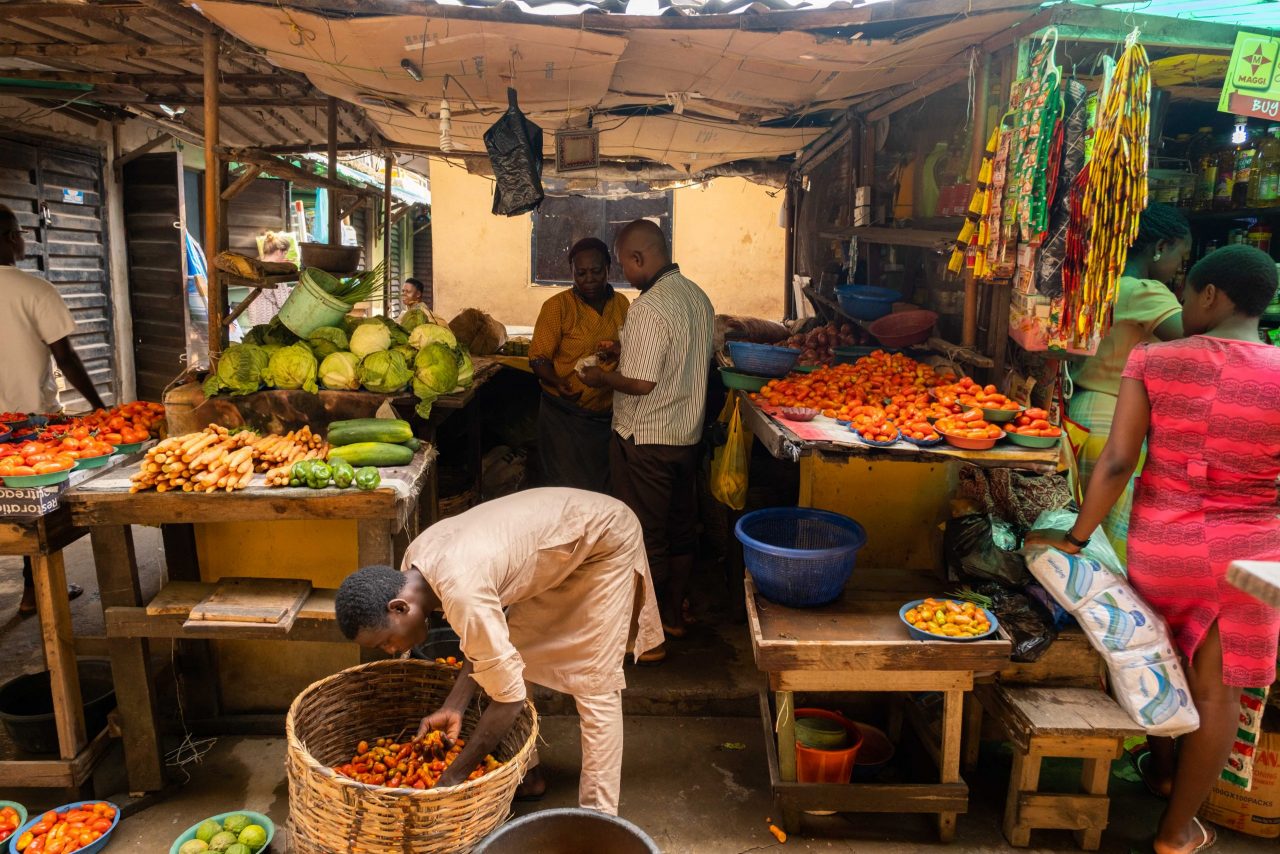
By Boluwatife Oshadiya, Economy Correspondent | June 28, 2026
Key Points
- Adamawa ranked Nigeria’s most affordable state for household food items in May 2026, according to an analysis of National Bureau of Statistics (NBS) data.
- Taraba and Plateau followed closely, driven by significantly lower prices for staple foods including beans, garri, maize and eggs.
- Despite a sharp decline in the annual prices of several staples, regional disparities in food affordability remain pronounced across Nigeria.
Main Story
Adamawa has emerged as Nigeria’s most affordable state to purchase household food items after recording the country’s lowest retail prices for the highest number of staple commodities in May 2026, according to an analysis of the latest National Bureau of Statistics (NBS) Selected Food Prices Watch.
The ranking, based on retail prices of 38 food commodities tracked monthly by the NBS across Nigeria’s 36 states and the Federal Capital Territory, assessed where consumers could purchase commonly consumed food items at the lowest prices. Greater emphasis was placed on essential household staples such as rice, beans, garri, maize, tomatoes, onions, bread, cooking oil, yam, meat, fish and eggs.
Adamawa topped the list after posting the country’s lowest prices for six major commodities, including white maize, broken local rice, groundnut oil, ripe plantain, frozen Titus fish and chicken wings. White maize sold for ₦400 per kilogram—approximately half the national average of ₦815.83—while broken local rice averaged ₦1,350.42 per kilogram, nearly 39 per cent below the national average.
Taraba ranked second, largely due to exceptionally low prices for brown beans, white beans, yellow garri, frozen chicken and evaporated milk. Plateau followed in third position, benefiting consumers with Nigeria’s cheapest white garri, sweet potatoes and eggs.
Other states completing the top 10 include Yobe, Ekiti, Bauchi, Jigawa, Sokoto, Abia and Nasarawa, each recording the country’s lowest prices for at least one major food commodity during the review period.
Use up and down arrow keys to resize the meta box pane.
The findings come as Nigeria continues to experience uneven food price movements. While the annual prices of several staple foods—including beans, garri, maize, onions and local rice—declined significantly compared with May 2025, fresh produce and several protein items recorded fresh increases on both monthly and annual bases. Tomatoes, frozen Titus fish, fresh ginger, crayfish and poultry products remained among the commodities experiencing upward price pressure.
The NBS’ monthly Food Price Watch continues to serve as one of the country’s most comprehensive indicators of retail food costs, collecting price data from all 774 local government areas through nationwide field surveys.
What’s Being Said
“The average prices published in the Selected Food Prices Watch are derived from prices collected across all 774 local government areas and reflect prevailing retail market conditions nationwide,” the National Bureau of Statistics stated in its methodology for the monthly report.
Economic analysts say the latest figures indicate that although headline food inflation has moderated from the record highs recorded in 2024, households continue to face significant cost-of-living challenges due to persistent regional disparities, transportation costs and supply chain inefficiencies.
What’s Next
- The NBS is expected to release its June 2026 Selected Food Prices Watch in early July, providing an updated picture of food affordability nationwide.
- Policymakers will continue monitoring food inflation as part of broader efforts to stabilise consumer prices and strengthen agricultural output.
- Analysts will also watch whether improvements in domestic food production and logistics translate into lower retail prices across southern urban markets.
Bottom Line
The Bottom Line: Adamawa’s position at the top of Nigeria’s cheapest food markets underscores the strong relationship between agricultural production and consumer affordability. While food prices have eased considerably from last year’s highs for many staple items, the sharp differences between states highlight the need for improved transportation networks, storage infrastructure and market integration to ensure more Nigerians benefit from lower food costs, regardless of where they live.