By Boluwatife Oshadiya | June 24, 2026
Key Points
- President Bola Tinubu has transmitted a State Police Constitution Alteration Bill to the Senate
- Lawmakers are preparing to debate one of Nigeria’s most significant security reforms in decades
- Security experts remain divided over the extent of powers governors should exercise under the proposed framework
Main Story
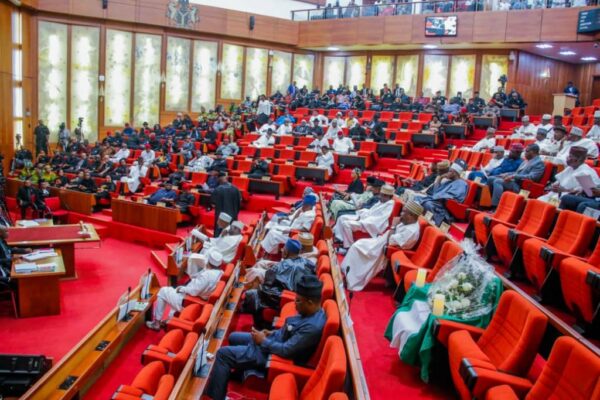
The Senate is expected to begin consideration of a constitutional amendment bill seeking to establish state police services across Nigeria following the formal transmission of the legislation by President Bola Tinubu.
Senate President, Godswill Akpabio, informed lawmakers that the proposed amendment would create a constitutional framework allowing states to establish and operate police services alongside the federal police structure.
The proposal represents one of the most consequential security reforms under consideration in Nigeria’s democratic history and follows repeated calls by the President for constitutional changes to address terrorism, kidnapping, banditry and other security challenges.
Supporters argue that decentralised policing would improve intelligence gathering, response times and local accountability, particularly in regions facing unique security threats. Recent legislative progress has strengthened momentum behind the reform, with lawmakers advancing constitutional amendment procedures aimed at creating a dual policing structure.
However, concerns remain over funding arrangements, operational standards and the possibility of political interference by state governments. Security experts and former law enforcement officials have called for strong oversight mechanisms to prevent abuse while ensuring states have sufficient authority to address local security issues.
The Issues
Nigeria’s current policing structure remains one of the most centralised in Africa, with operational control concentrated at the federal level despite diverse security challenges across different regions.
Governors have long argued that they are constitutionally recognised as chief security officers of their states but lack direct control over security agencies operating within their jurisdictions.
Critics of state police warn that governors could use local police formations against political opponents, while supporters insist that constitutional safeguards and independent oversight bodies can address those concerns.
Funding also remains a major challenge, as some states may struggle to finance recruitment, training, equipment and operational requirements without additional support.
What’s Being Said
“State police should not be treated as a political slogan but as a structured security reform,” said retired Brigadier General Peter Aro. He argued that states should have authority over intelligence gathering, investigations and community security while operating within constitutional limits.
“The governors should be given the power, but they should be checked,” said retired Brigadier General George Edim, who maintained that the benefits of decentralised policing outweigh potential risks.
“What is important now is that we need effective security more than ever before, so we should not be afraid,” retired Assistant Inspector-General of Police Ali Amodu said while supporting the commencement of the state police system.
What’s Next
- The Senate is expected to begin debate on the constitutional amendment bill
- The proposal will require approval by both chambers of the National Assembly and endorsement by at least two-thirds of state assemblies before becoming law
- Stakeholders are expected to intensify consultations on funding structures, oversight mechanisms and operational guidelines
Bottom Line
The Bottom Line: State police has moved from a long-running policy debate to a realistic constitutional reform. The success of the proposal will ultimately depend not only on legislative approval but also on the safeguards put in place to balance local security needs with accountability.