






Imagine landing at an airport after a long flight. Instead of walking out of the arrival hall and negotiating with drivers or looking for a familiar airport taxi stand, you pull out your phone, scan a QR code, book a ride, and receive a security code that matches you with a registered driver.
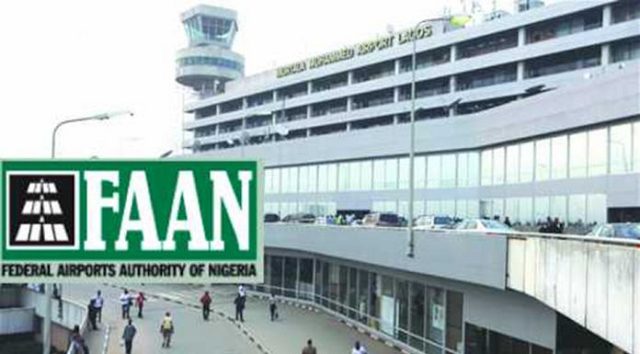
That is the experience the Federal Airports Authority of Nigeria (FAAN) hopes to create when its new Airport Car Hire Rank Management System (ACHRAMS) takes effect on July 1, 2026.
The new platform is expected to change how airport taxis operate across Nigeria’s major airports. But while the technology promises more order and security, it is also raising questions about how quickly drivers can adapt to new rules.
Why FAAN wants a new system
For years, airport arrival areas have been a busy mix of passengers, taxi operators, dispatchers, and drivers all competing for attention.
For travellers, especially first-time visitors, the experience can sometimes be confusing. For airport authorities, managing who operates within the airport environment and ensuring that fees are properly collected has been an ongoing challenge.
FAAN believes technology can help solve some of those problems.
Under the new system, passengers will be able to book airport taxis through a mobile app or by scanning QR codes at designated points within the terminal.
Each trip will generate a unique security code that must be confirmed before a passenger enters the vehicle. The aim is simple: help travellers know they are getting into the right car with an approved driver.
What changes for drivers?
The changes may be even bigger for drivers than for passengers.
Instead of relying on traditional dispatch systems, registered operators will receive trips through a digital platform that automatically manages the queue of available vehicles.
Drivers will also use a digital wallet through which concession fees will be deducted electronically.
For FAAN, this means better records and easier monitoring of airport transport activities. For drivers, it means adapting to a system that leaves less room for cash transactions and manual processes.
The bigger issue is not the app
Interestingly, many operators appear less worried about the technology than they are about another requirement tied to the rollout.
FAAN wants airport taxi operators to use vehicles that are 2012 models or newer.
That requirement has become the main source of concern among many drivers.
With vehicle prices climbing and replacement costs rising sharply in recent years, some operators say upgrading their cars within the current timeline could be difficult.
As a result, some groups are pushing for more time before the rule is fully enforced.
A test of reform and reality
The weeks leading up to July 1 could prove crucial.
If the digital platform is introduced successfully, passengers may enjoy a more organised and secure airport transport experience.
But if large numbers of drivers struggle to meet the vehicle requirement, there is concern that the number of available airport taxis could temporarily shrink, particularly at busy gateways such as and .
For FAAN, the challenge is not simply launching a new app. It is making sure that a system designed to improve airport operations also works for the people expected to use it every day.
That’s the real test of any reform. Not whether it can be announced, but whether it can work smoothly when the first passenger lands and looks for a ride home.