








Key points
- Petrol prices have risen by about 643 per cent, from N175 per litre in May 2023 to as much as N1,300-N1,400 in May 2026.
- Fuel subsidy removal, naira devaluation, and global oil market disruptions have driven the unprecedented increase.
- Economists and industry stakeholders are urging government intervention to cushion the impact on vulnerable Nigerians.
Main story
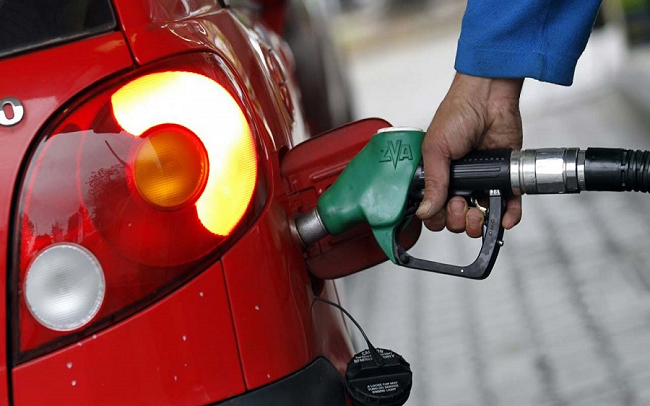
The price of Premium Motor Spirit (PMS), popularly known as petrol, has surged by approximately 643 per cent over the past three years, rising from N175 per litre in May 2023 to between N1,300 and N1,400 per litre in May 2026, according to findings by The PUNCH.
The sharp increase follows President Bola Tinubu’s decision to remove fuel subsidies immediately after assuming office on May 29, 2023, a policy move that transformed Nigeria’s downstream petroleum market and ended decades of government-supported fuel pricing.
The removal of the subsidy triggered an immediate jump in petrol prices from about N175-N200 per litre to over N500 per litre. The situation was further exacerbated by the floating of the naira in June 2023, which significantly increased the cost of importing petroleum products and pushed pump prices above N1,000 per litre.
For nearly a year, the Nigerian National Petroleum Company Limited (NNPCL) sold petrol below its landing cost through what the International Monetary Fund described as an “implicit subsidy” arrangement. During that period, petrol prices hovered around N600 per litre despite rising import costs.
The state-owned oil company later admitted that it had been absorbing losses by selling below market value. Former NNPC Chief Financial Officer, Umar Ajiya, acknowledged that government directives had compelled the company to sell fuel at prices significantly below its actual landing cost.
Petrol prices climbed further in 2024, reaching as high as N1,080 per litre before the entry of the Dangote Petroleum Refinery into the PMS market introduced competition and sparked a temporary price war. This development saw pump prices decline to between N800 and N900 per litre.
However, renewed geopolitical tensions in the Middle East, particularly disruptions linked to the Strait of Hormuz and the ongoing US-Iran conflict, have reversed those gains. The resulting increase in global crude oil prices has forced refiners and marketers to raise prices, with petrol now retailing above N1,300 per litre across many parts of the country.
The issues
The sustained rise in petrol prices has intensified inflationary pressures across the economy, increasing transportation costs, food prices, and the cost of goods and services.
Although the Federal Government introduced the Presidential Compressed Natural Gas (CNG) Initiative to provide a cheaper alternative to petrol and diesel, analysts say its impact on the broader cost of living remains limited due to slow adoption and infrastructure challenges.
Industry observers warn that further escalation of tensions in the Middle East could push petrol prices above N1,500 per litre, placing additional strain on households and businesses already grappling with high inflation.
What’s being said
A former President of the Association of Energy Economists, Prof. Adeola Adenikinju, described the situation as a “double-edged sword” for Nigeria, noting that while higher crude oil prices could boost government revenues, they also worsen economic hardship for citizens.
He advocated targeted cash transfers and social protection programmes for vulnerable Nigerians, arguing that the gains from rising oil prices should be partly channelled towards cushioning the impact on low-income households.
Similarly, the National President of the Petroleum Products Retail Outlet Owners Association of Nigeria (PETROAN), Billy Gillis-Harry, criticised the government’s perceived silence on the latest fuel price increases and urged authorities to deploy part of the additional oil revenue to ease transportation and food costs.
Economic analyst Bismarck Rewane also suggested that the government could consider supplying crude oil to local refiners at favourable rates, provided the arrangement translates into lower prices for consumers.
What’s next
Despite mounting calls for intervention, the Federal Government has ruled out a return to fuel subsidies or the introduction of fuel price controls.
The Minister of Finance and Coordinating Minister of the Economy, Taiwo Oyedele, recently reiterated that Nigeria would maintain a market-driven pricing system, insisting that subsidy payments distort the economy and are no longer sustainable.
As global oil market uncertainties persist, industry stakeholders expect fuel prices to remain volatile in the near term, with developments in the Middle East likely to play a significant role in determining future pump prices.
Bottom line
Three years after the removal of fuel subsidies, Nigerians are paying more than seven times the price of petrol compared to 2023. While the policy has reduced government spending on subsidies and aligned fuel pricing with market realities, it has also fuelled inflation and increased the cost of living, prompting fresh calls for targeted support measures to protect vulnerable citizens.










, popularly known as petrol, has surged by approximately 643 per cent over the past three years, ...)