







By Boluwatife Oshadiya | May 28, 2026
Key Points
- AfDB says Nigeria, Egypt, Morocco, and South Africa dominate Africa’s equity markets
- Africa’s market capitalisation rose nearly six-fold to $1.2 trillion in 2024
- The continent still faces an annual development financing gap exceeding $1.3 trillion
Main Story
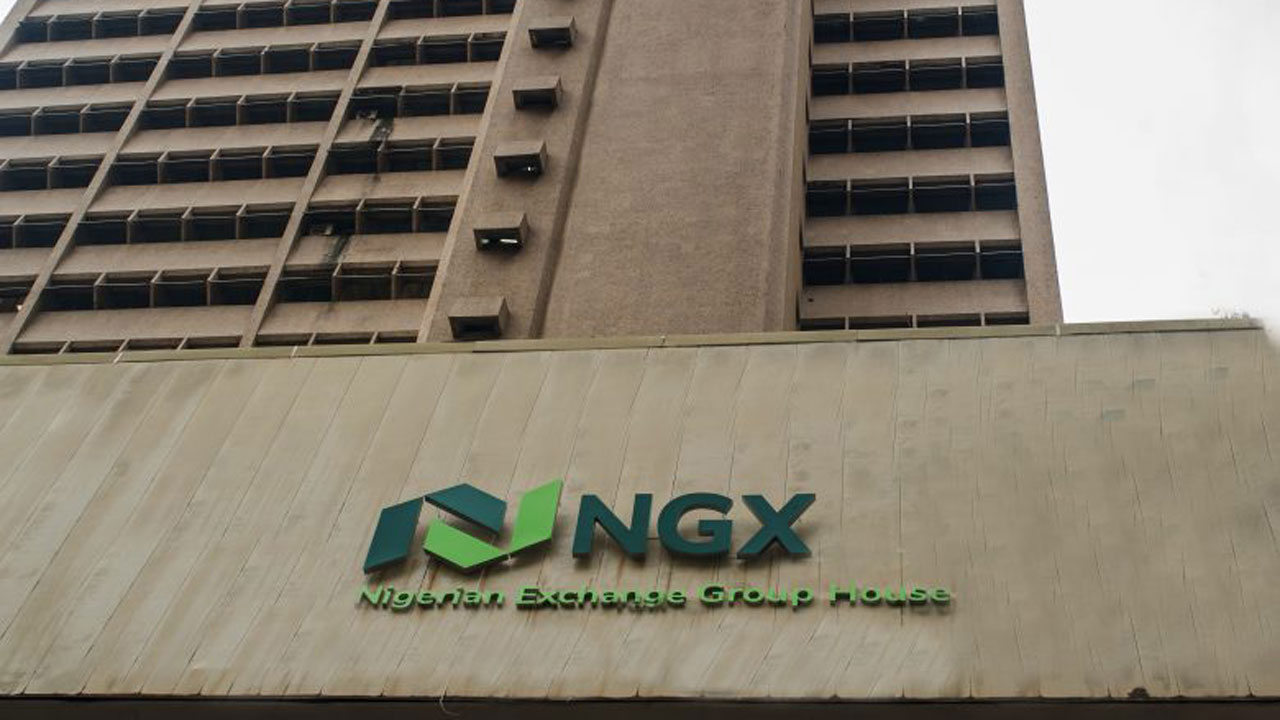
Nigeria, Egypt, Morocco, and South Africa continue to dominate Africa’s equity markets despite growing financial fragmentation across the continent, according to the 2026 African Economic Outlook released by the African Development Bank (AfDB).

The report stated that Africa’s equity market capitalisation increased nearly six-fold over the past two decades, reaching approximately $1.2 trillion in 2024 — equivalent to about 40 per cent of the continent’s Gross Domestic Product (GDP).
Despite the expansion, the AfDB noted that market activity remains heavily concentrated in a small number of economies, particularly Nigeria, Egypt, Morocco, and South Africa.
The bank said Africa remained among the world’s fastest-growing regions, recording average annual real GDP growth of 3.8 per cent over the last two decades.
However, the report warned that the continent still faces a development financing gap estimated at more than $1.3 trillion annually.
According to the AfDB, weak domestic resource mobilisation, fragmented financial systems, declining foreign direct investment inflows, and geopolitical tensions continue to constrain Africa’s economic transformation efforts.
The report also showed that Africa’s revenue-to-GDP ratio fell to 16.2 per cent in 2024 from between 23 per cent and 30 per cent during the 2000s.
AfDB attributed the decline to weak tax compliance, narrow tax bases, widespread exemptions, and limited taxpayer coverage across several economies.
The Issues
Africa’s financial markets remain relatively shallow compared to other developing regions despite recent growth in equity market activity.
Limited access to long-term capital continues to constrain private sector expansion, infrastructure development, and industrialisation efforts across many African economies.
Analysts also warn that fragmented financial systems and low investor confidence continue to weaken the continent’s ability to mobilise domestic capital for development financing.
The AfDB said reforms aimed at strengthening financial architecture and improving tax administration would be critical to narrowing Africa’s financing gap and supporting long-term economic growth.
What’s Being Said
“Market activities remain heavily concentrated in a few economies, including Nigeria, Egypt, Morocco, and South Africa,” the AfDB stated in the report.
The bank also urged African governments to strengthen financial systems and scale up domestic resource mobilisation to support sustainable development and economic transformation.
What’s Next
- African policymakers are expected to intensify reforms aimed at deepening domestic capital markets
- Governments across the continent may introduce measures to improve tax collection and financial inclusion
- Regional institutions are likely to push for stronger financial integration under the African Continental Free Trade Area framework
The Bottom Line: Africa’s largest economies continue to dominate the continent’s financial markets, but deeper structural reforms will determine whether equity market growth can translate into broader economic transformation and sustainable development financing.