




Keypoints
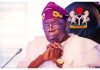
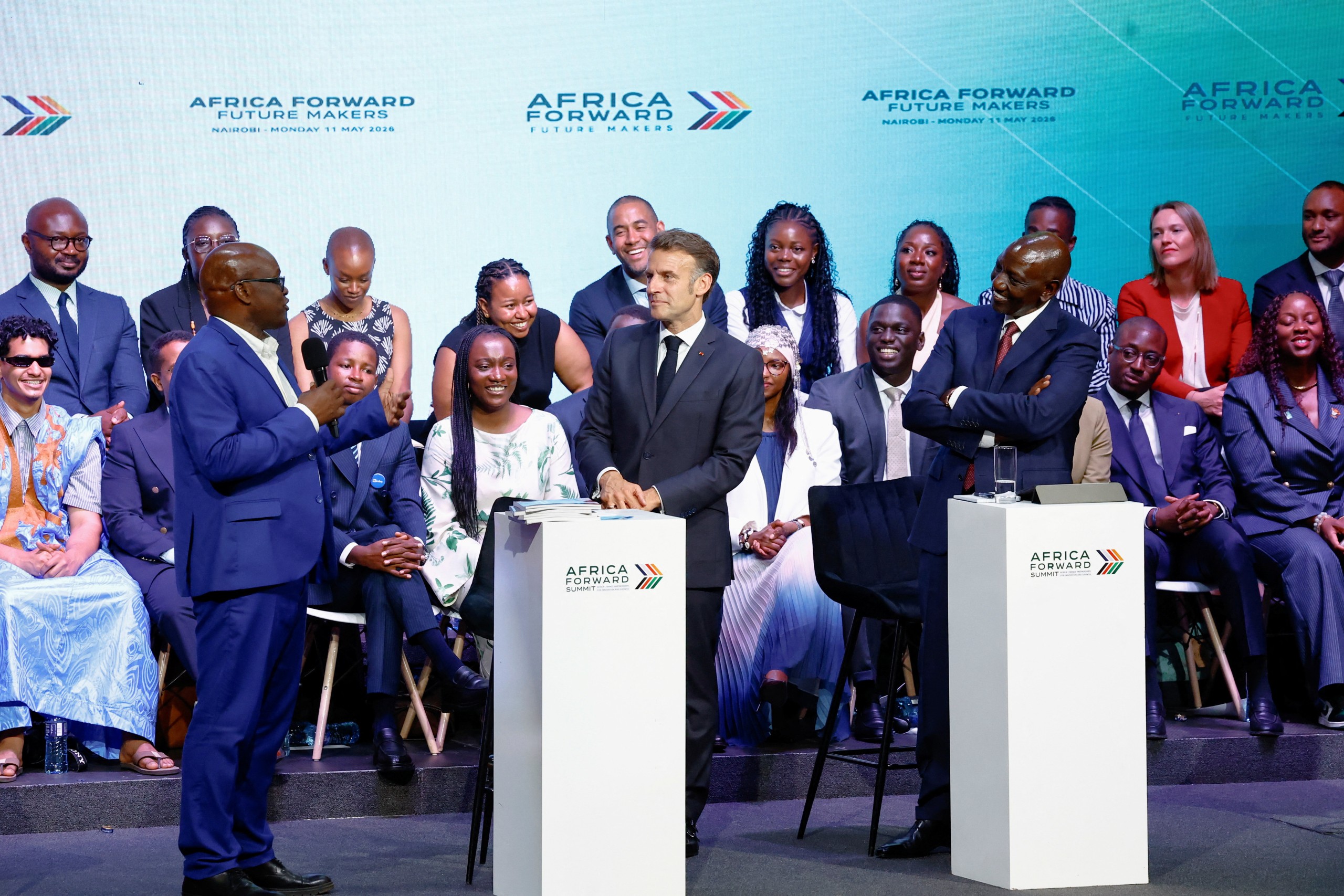
- President Bola Tinubu led Nigeria’s delegation to the Africa Forward Summit in Nairobi, co-hosted by Presidents Emmanuel Macron and William Ruto.
- Tinubu offered Nigeria’s Deep Blue Project maritime intelligence infrastructure as a shared data hub for Gulf of Guinea states.
- Nigeria expressed readiness to host the 2026 CAF Awards during a meeting with CAF President Dr Patrice Motsepe.
- The President highlighted that Nigeria will spend approximately 11.6 billion dollars on debt servicing in 2026, calling for global financial architecture reforms.
- Prominent Nigerian business leaders including Aliko Dangote, Abdulsamad Rabiu, Tony Elumelu, and Aigboje Aig-Imoukhuede accompanied the delegation.
Main Story
President Bola Tinubu led Nigeria’s delegation to the Africa Forward Summit in Nairobi, Kenya, on Tuesday, advocating for stronger economic integration that prioritises Africa’s growth and industrialisation.
The summit, co-hosted by French President Emmanuel Macron and Kenyan President William Ruto, brought together leaders from over 30 countries.
According to a statement by Presidential Spokesperson Bayo Onanuga, Tinubu held bilateral meetings with Madagascar’s President Michael Randrianirina and CAF President Dr Patrice Motsepe, expressing Nigeria’s readiness to host the 2026 CAF Awards.
During the summit, African leaders emphasised the need for affordable credit, while the French government advocated for restructuring relations based on equality.
Tinubu highlighted Nigeria’s blue economy potential, noting that insecurity has hindered maritime investments. He made an explicit commitment to offer Nigeria’s Deep Blue Project maritime intelligence infrastructure as a shared data hub for Gulf of Guinea states to intensify regional coordination.
Addressing international financial reforms, Tinubu warned that the global financial architecture risks irrelevance if it fails to address inequities. He noted that Africa’s share of global manufacturing remains below two per cent due to the export of raw materials.
Tinubu detailed Nigeria’s reforms, including fuel subsidy removal and a banking recapitalisation exceeding 45.5 billion dollars, but lamented that the country would spend 11.6 billion dollars on debt servicing in 2026. On migration, he urged partners to invest in infrastructure and digital skills to address root causes, stating that people with hope rarely risk dangerous migration journeys.
The Issues
- High borrowing costs in Africa, which Tinubu noted are five to ten times higher than in Europe or North America, severely limit the competitiveness of African manufacturers.
- “Sea blindness” and maritime insecurity in the Gulf of Guinea continue to act as a barrier to unlocking the full economic potential of the continent’s blue economy.
- The current global financial system remains a point of friction, with Nigeria demanding a fair system that enables the local refining of crude oil and processing of minerals.
What’s Being Said
- “Today, I make an explicit commitment: Nigeria will intensify regional coordination by offering our Deep Blue Project’s maritime intelligence infrastructure as a shared data hub for willing Gulf of Guinea states,” said President Bola Tinubu.
- “How can an African manufacturer compete with competitors in Europe, Asia, or North America when borrowing costs in Africa are five to ten times higher?” Tinubu asked during financing discussions.
- Tinubu stated that Africa must move from “sea blindness to ocean sovereignty,” describing the continent’s oceans as a “shared heritage requiring collective protection.”
What’s Next
- Nigeria will begin formal discussions with Gulf of Guinea states regarding the integration of maritime intelligence data through the Deep Blue Project hub.
- Following the meeting with Dr Patrice Motsepe, Nigeria will pursue the formal bidding and preparation process to host the 2026 CAF Awards.
- The Nigerian government will continue to push for the outcomes of the Nairobi summit to be mainstreamed into the G7 agenda during the upcoming meeting in France.
Bottom Line
President Tinubu is leveraging Nigeria’s regional security assets and domestic economic reforms to demand a fundamental shift in how the global financial system treats African industrialisation and maritime sovereignty.