Keypoints
- The 2026 US-Iran War enters its most critical diplomatic phase as Iranian and American delegations land in Islamabad, Pakistan, for high-stakes peace negotiations.
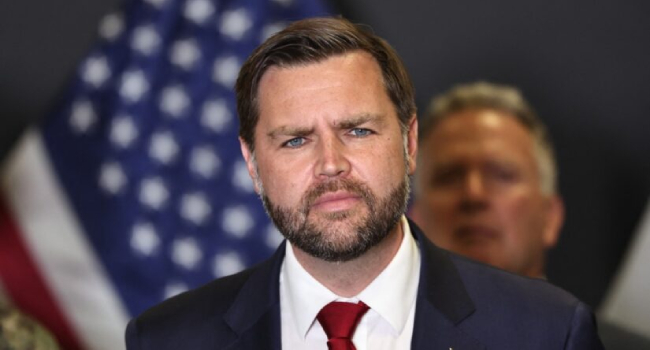
- Vice President JD Vance, Steve Witkoff, and Jared Kushner lead the U.S. team, while Iran has sent a 71-person delegation headed by Parliament Speaker Mohammad Bagher Ghalibaf and Foreign Minister Abbas Araghchi.
- President Trump has suspended bombings for a two-week ceasefire but warned that strikes will “renew and intensify” if the Islamabad talks fail to reach a definitive agreement.
- The Strait of Hormuz remains effectively blocked, with only 10 vessels (mostly Iranian) transiting since the truce began, as Iran asserts “technical control” and requires navy collaboration for passage.
Main Story
On Saturday, April 11, 2026, the diplomatic world shifts its gaze to Islamabad as the first direct negotiations to end the 43-day-old US-Iran conflict commenced. The Iranian delegation, described by state media as a comprehensive “expert and technical” committee, meet with Pakistan Prime Minister Shehbaz Sharif at noon before heading into closed-door sessions with the American team.
The U.S. presence, led by Vice President JD Vance, signals a “maximum pressure” approach combined with an “open hand” for good faith diplomacy. However, the atmosphere remains tense; an internet blackout in Iran has now exceeded 1,000 hours, and trust in Washington remains at a historic low, according to some media outlets.
Central to the talks is Trump’s 15-point proposal, a rigorous framework that demands Iran hand over its highly enriched uranium to the IAEA, permanently end its nuclear program, and relinquish its “chokehold” on the Strait of Hormuz.
Iran’s counter-proposal, a 10-point plan, reportedly seeks reparations for infrastructure damage and a U.S. guarantee against future military aggression.
The outcome of this weekend is being described by Pakistan’s leadership as a “make-or-break moment” that will either pave the way for a lasting Islamabad Peace Treaty or trigger a massive escalation in regional hostilities.
The Issues
The primary hurdle to a successful deal is the Lebanon-Israel conflict. Iran has explicitly stated that any peace deal is “contingent on a ceasefire in Lebanon,” where Israeli strikes on Hezbollah targets have continued despite the two-week truce with Tehran. To solve this, a separate meeting has been scheduled for Tuesday at the US State Department in Washington between Lebanese and Israeli diplomats. Furthermore, the global energy crisis remains unsolved; with 800 ships still stuck in the Persian Gulf and oil sitting near $100 a barrel, the economic “scarring effects” are already impacting consumer prices across the United States.
What’s Being Said
- “If the Iranians are willing to negotiate in good faith, we are certainly willing to extend an open hand,” stated U.S. Vice President JD Vance upon arrival at Nur Khan Air Base.
- Mohammad Bagher Ghalibaf, Iran’s Parliament Speaker, maintains that Iran “believes it holds leverage” through its continued presence in the strategic waterways.
- Pakistan’s Foreign Ministry expressed hope for a “constructive engagement,” emphasizing their role as a neutral facilitator in the West Asia crisis.
- Shipping analysts from Lloyd’s List warn that traffic in the Strait is currently 90% below normal levels, driven almost entirely by Iranian-approved trade.
What’s Next
- Negotiators are expected to stay in Islamabad through Sunday to work through the technical differences between the US 15-point and Iran 10-point plans.
- On Tuesday, April 14, Lebanese and Israeli ambassadors will meet in Washington D.C. to discuss a formal truce, a meeting seen as a “pre-condition” for Iranian cooperation.
- Markets will closely monitor U.S. inflation data later today, as the prolonged blockage of Hormuz has sent consumer price hikes rippling through the global economy.
- President Trump is expected to deliver a national address on Monday to provide an update on the progress of the “Islamabad Accord.”
Bottom Line
The Islamabad talks represent the most significant chance for peace since the war erupted on February 28. While the presence of high-level technical teams suggests a serious attempt at a settlement, the continued fighting in Lebanon and the gridlock in the Strait of Hormuz mean the world remains just one failed meeting away from a return to total war.