KEY POINTS
- Nigeria’s capital market capitalisation surged by 125% to N123.93 trillion since April 2024.
- Sector’s contribution to GDP rose from 13% to 33% within the period.
- SEC inaugurates working group to address liquidity and structural market challenges.
MAIN STORY
Nigeria’s capital market has recorded a significant expansion, with total market capitalisation rising by 125 per cent from about N55 trillion in April 2024 to over N123.93 trillion.
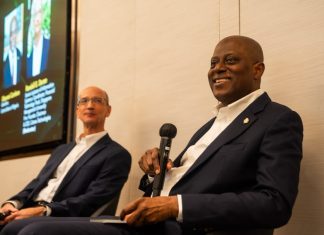
Director-General of the Securities and Exchange Commission (SEC), Emomotimi Agama, disclosed this in Lagos during his inaugural address to members of the Capital Market Working Group on Market Liquidity at the commission’s office.
Agama also revealed that the capital market’s contribution to Nigeria’s Gross Domestic Product (GDP) increased from 13 per cent to 33 per cent over the same period, reflecting its growing role in national economic development.
He described the growth as evidence of strong investor confidence and resilience in the market but cautioned that size alone does not guarantee efficiency without sufficient depth and liquidity.
THE ISSUES
Despite rapid growth, structural weaknesses persist, including high transaction costs, limited liquidity, and heavy concentration of trading in a small number of highly capitalised stocks, which restrict broader market participation.
WHAT’S BEING SAID
Agama stressed that liquidity is essential for sustaining market growth, noting that investors are often reluctant to enter markets where exiting positions may cause significant price distortions.
He identified key challenges such as high transaction impact costs for institutional investors and insufficient diversification across traded securities.
To address these issues, the SEC inaugurated a multi-stakeholder working group comprising exchanges, custodians, fund managers, dealing members, and other market operators to develop practical solutions.
The SEC DG also highlighted the role of the newly enacted Investments and Securities Act (ISA) 2025, which expands regulatory oversight to include digital assets, enabling the channeling of speculative interest into regulated investment opportunities.
“The capital market is not gambling; it is the engine of national development. It finances roads, powers factories and creates jobs,” Agama said.
WHAT’S NEXT
The working group has been tasked with reviewing trading and settlement infrastructure, identifying technical bottlenecks, and recommending reforms to improve transaction speed and competitiveness.
It is also expected to propose strategies to expand retail participation, with the SEC targeting up to 20 million new investors through digital platforms, share dematerialisation, and fintech partnerships.
Additionally, product innovation, including the development of derivatives and alternative asset classes, will be prioritised to deepen market liquidity.
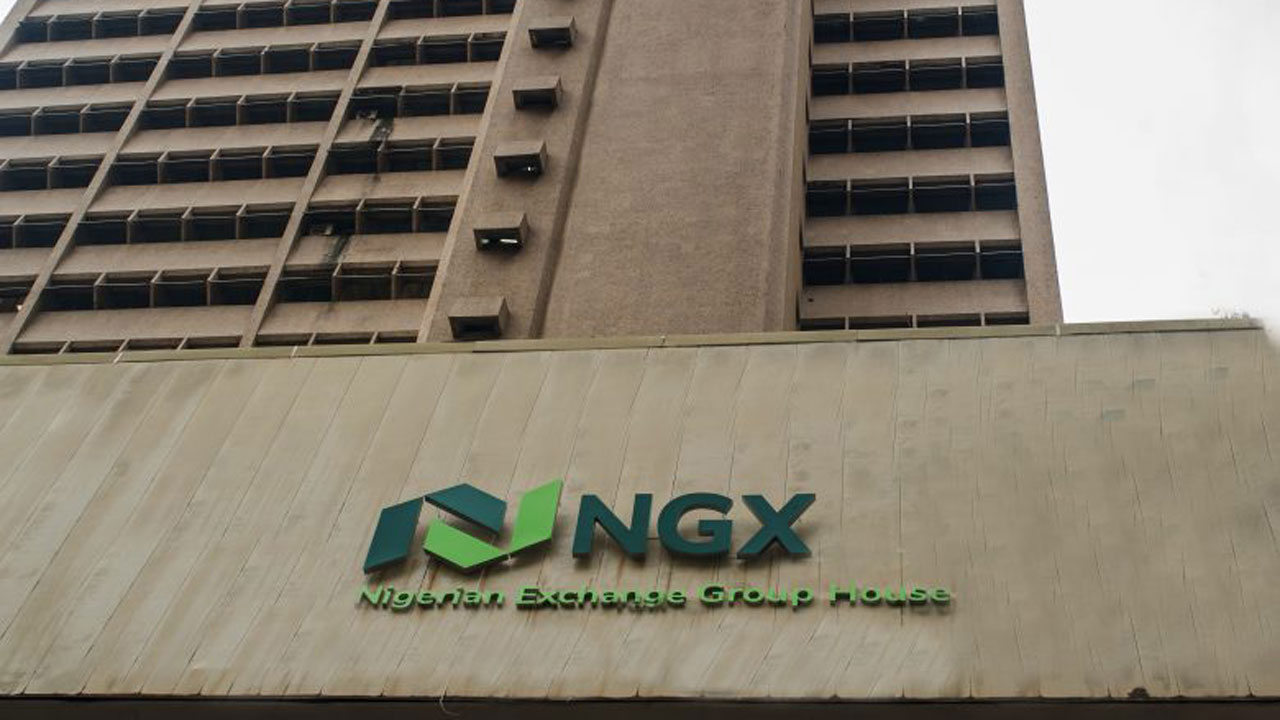
Chairman of the committee and Group CEO of Nigerian Exchange Group, Temi Popoola, assured the SEC that the team would deliver practical reforms to strengthen liquidity and market resilience.
BOTTOM LINE
While Nigeria’s capital market has achieved record growth and increased economic relevance, regulators say the next phase of reforms will focus on deepening liquidity, broadening participation, and positioning the market for global competitiveness.