








The Central Bank of Nigeria (CBN) is preparing to issue Nigerian Treasury Bills worth N700 billion across its usual short-term maturities—91-day, 182-day, and 364-day tenors—as investors position ahead of this week’s inflation report.
The auction, scheduled for Wednesday, is expected to attract strong demand, especially as analysts project that headline inflation could ease below the 18% mark. With expectations of a cooling inflation environment, market watchers believe that stop rates on Treasury bills may moderate further.
Fixed income traders anticipate heavy oversubscription, driven by renewed interest in naira-denominated assets. Market appetite for the one-year paper, in particular, is projected to surge as investors seek longer-duration instruments to lock in yields before potential rate adjustments.
Activity in the fixed income market closed the previous week on a bullish note, supported by robust system liquidity. As a result, the average yield across all instruments fell by 35 basis points week-on-week to settle at 19.3%.
Treasury bill yields declined significantly, dropping by 41 basis points to 17.0%, while OMO bill yields slid by 51 basis points to 21.7%, according to analysts at Cordros Capital, who attributed the movement to intensified bargain hunting by investors.
Investor sentiment has already begun to reflect expectations of a disinflationary trend, with the secondary market trading in mixed territory but leaning bullish last week.
AAG Capital noted that demand was particularly strong at the mid-segment of the yield curve. During the week, the CBN conducted an OMO auction featuring mid-tenor bills of 152 days and 173 days.
The 152-day offer closed at a stop rate of 20.59%, with a total allotment of ₦640.15 billion against subscriptions of ₦645.15 billion. Meanwhile, the 173-day paper cleared at 20.69%, with ₦1.91 trillion allotted—below the total subscription level of ₦2.45 trillion.
Total demand at the auction reached ₦3.09 trillion, far surpassing the ₦600 billion on offer, underscoring the intensity of investor appetite for fixed-income securities.





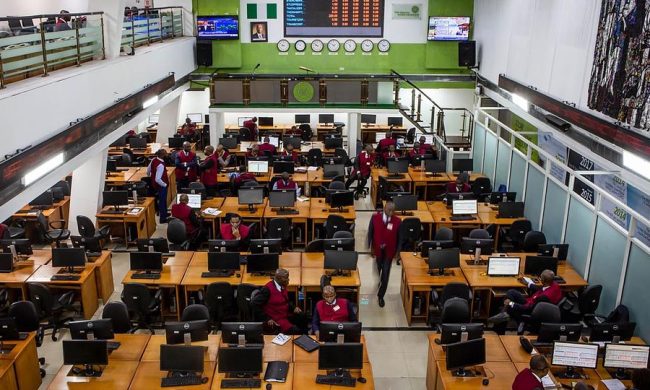




 is preparing to issue Nigerian Treasury Bills worth N700 billion across its usual short-term maturities—91-day, 182-day, and 364-day tenors—as investors position ahead of this week’s inflation report.)