







Nigeria’s telecommunications sector is facing growing threats from sabotage and vandalism, putting at risk over $1 billion in recent investments, despite President Bola Tinubu’s repeated assurances to protect national infrastructure. According to the Association of Licensed Telecommunications Operators of Nigeria (ALTON), telecom facilities across key states including Lagos, Ogun, Rivers, Kogi, Imo, and the Federal Capital Territory have come under increasing attack.
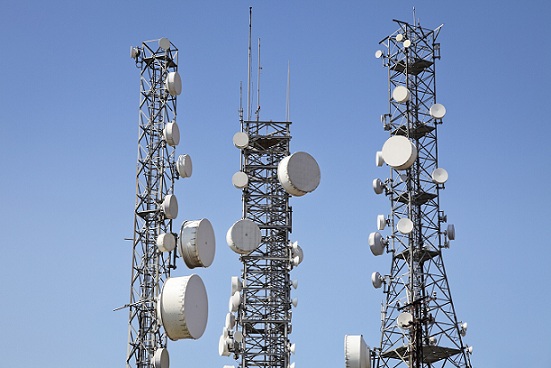
The sabotage ranges from theft of generators, batteries, and solar panels, to destruction of fibre-optic cables and base transceiver stations (BTS).

Gbenga Adebayo, Chairman of ALTON, disclosed that Airtel Nigeria recorded over 7,000 fibre cuts in a single year, severely disrupting services and increasing operational costs. Similarly, MTN Nigeria reported spending over N11 billion in the past year on relocating fibre cables and rebuilding damaged infrastructure caused by construction, road works, and deliberate vandalism.
“These attacks are not isolated; they represent a pattern of disregard for critical infrastructure and a serious threat to Nigeria’s digital economy,” Adebayo said. He emphasized that telecommunications infrastructure has been designated as Critical National Information Infrastructure (CNII) by the federal government, which means it is supposed to enjoy top-level security protection under the law.
Despite this classification, enforcement remains poor. Many vandals are arrested but rarely prosecuted, and compensation for damage is rarely pursued. ALTON members say the situation is worsening and could undermine national targets for digital inclusion, broadband penetration, and fintech expansion.
The Nigerian Communications Commission (NCC) had launched an incident reporting platform to allow operators log cases of vandalism and receive government intervention, but operators say the process is often slow and ineffective.
Adebayo urged the federal government to take urgent action, including deploying dedicated security forces to protect telecom assets and establishing mobile courts to ensure speedy prosecution of offenders.
He also called on state governments, local communities, and the judiciary to treat vandalism of telecom assets as a national economic crime. “When telecom services fail, it’s not just calls or data that stop. Financial services, emergency response systems, education platforms, and government services are all impacted,” he warned.
The telecom industry, which has attracted over $76 billion in cumulative investment, remains one of the most critical sectors of Nigeria’s economy, contributing about 16 percent to GDP. Operators fear that without prompt intervention, continued sabotage could stall the country’s progress in digital transformation, job creation, and infrastructure development.