








Key Points
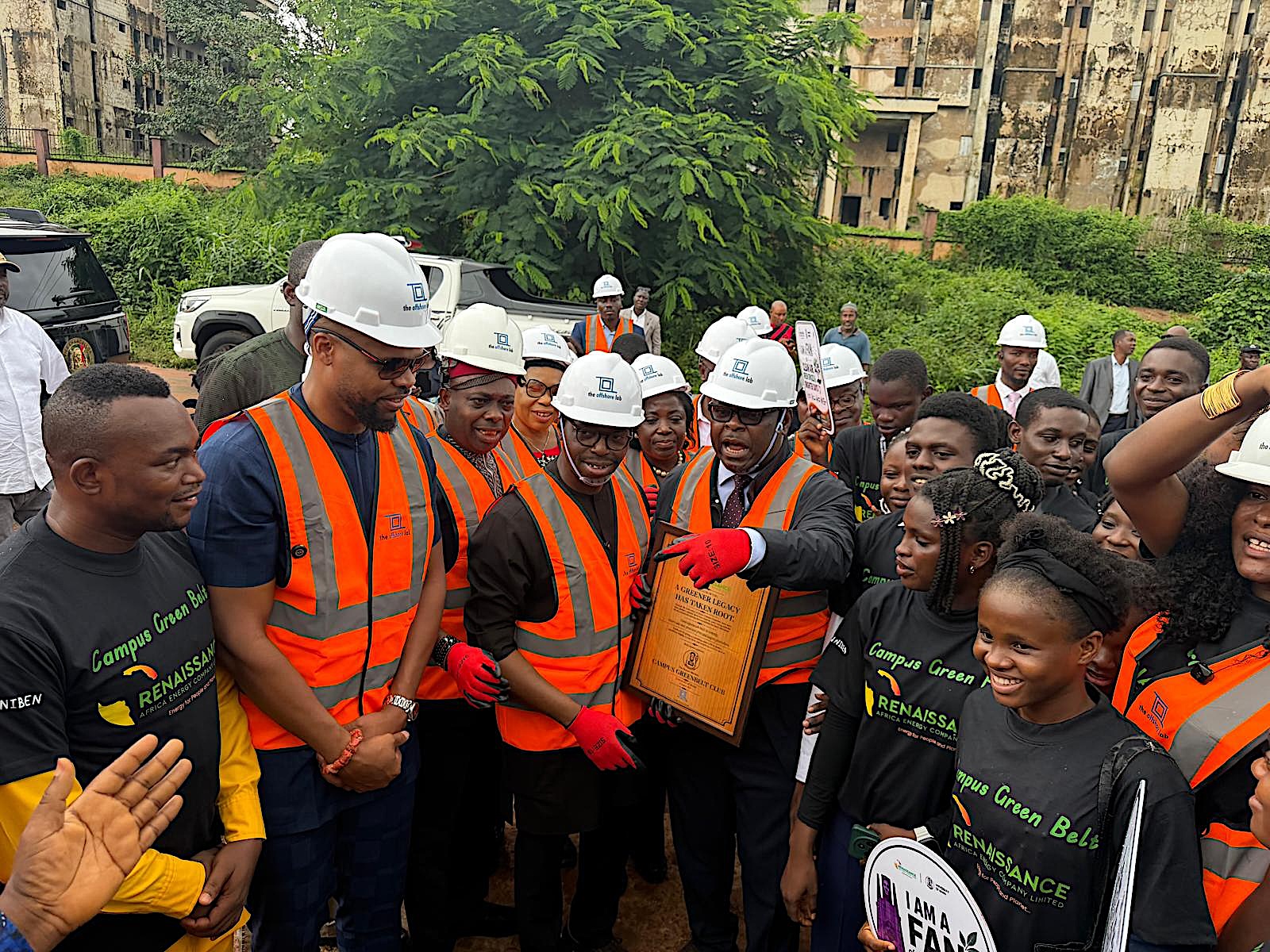
- The University of Benin has launched its Campus Green Belt Initiative and unveiled a new innovation ecosystem.
- The initiative combines environmental sustainability, technology training, research and community engagement.
- Renaissance Africa Energy Group is sponsoring the project, while The Offshore Lab is delivering it.
- The innovation ecosystem will include an ICT Centre, Deep Tech Hub, hardware laboratories and a Virtual Museum of Benin.
Main Story
The University of Benin (UNIBEN) has launched a Campus Green Belt Initiative and unveiled plans for a multi-disciplinary innovation ecosystem as part of efforts to strengthen climate action, technology development and youth empowerment.
The initiative is sponsored by Renaissance Africa Energy Group and delivered by The Offshore Lab.
According to the university, the project is designed to expand the role of tertiary institutions beyond conventional learning by combining technology, environmental stewardship, practical research and community development.
The UNIBEN Campus Green Belt will serve as an experimental field site where students apply digital tools to ecological and agricultural challenges.
The initiative includes a new 1,000-tree orchard and a student-led Pioneer Club, providing a practical environment for students to apply data science, Internet of Things (IoT) environmental monitoring and sustainable agricultural practices.
UNIBEN said the initiative would make it the second node in a national Campus Green Belt network, following the establishment of the first site at Bauchi State University in 2024.
The field initiative will be linked to an innovation ecosystem designed to support research, digital skills development and entrepreneurship.
The planned facility will include an ICT Centre with 288 high-performance computing systems, a Deep Tech Hub equipped with artificial intelligence platforms and modular data centre capabilities, as well as hardware fabrication and product development laboratories.
The ecosystem will also feature a Virtual Museum of Benin aimed at preserving and showcasing Edo cultural history through digital and immersive public engagement.
The initiative will operate through a model linking technology, field applications and community engagement.
Students will use computational tools and data analytics to monitor the orchard, optimise resource use and test green technologies, while the Pioneer Club will support outreach to neighbouring smallholder farmers by sharing practical and data-driven agricultural knowledge.
The university said the connection between research and local farming communities was intended to support sustainable food systems and strengthen regional economic resilience.
The Vice Chancellor of UNIBEN, Prof. Edoba B. Omoregie, SAN, said the initiative aligned with the university’s broader transformation towards technology-driven and practical education.
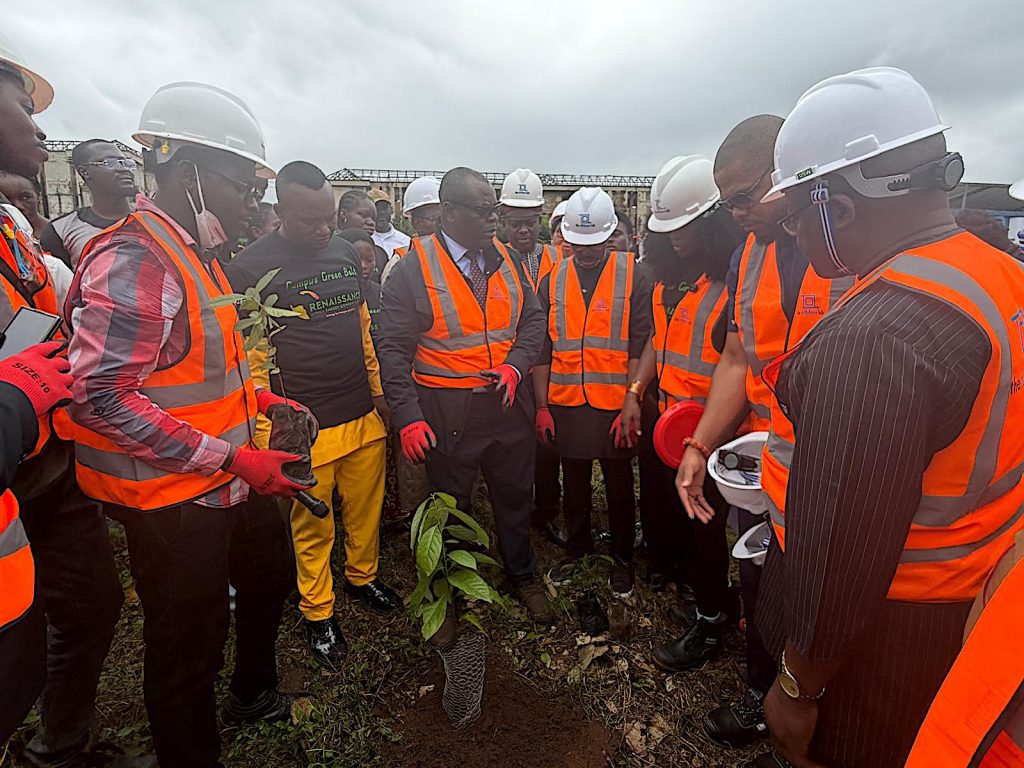
Omoregie said the innovation ecosystem would expose students to advanced computing, artificial intelligence and hardware fabrication, while the Campus Green Belt would extend applied learning to environmental stewardship.
He added that the university had already planted more than 5,000 trees as part of its environmental efforts.
The General Manager, Nigerian Content Development, Renaissance Africa Energy Group, Mr Olanrewaju Olawuyi, said the company was proud to support an initiative combining technology infrastructure, youth participation and environmental action.
Olawuyi said similar investments across tertiary institutions could provide a practical model for young Nigerians to apply deep technology and sustainable agriculture to local industrialisation and community enterprise.
The Chief Executive Officer of The Offshore Lab, Emeka Obiwulu, said the project was designed to support a shift from passive learning towards practical production and sustainability.
He said the connection between technology, field testing and community outreach could provide a scalable model for production-focused education across Nigeria.
The Issues
The initiative seeks to address the gap between theoretical education and practical skills by creating facilities and programmes where students can apply technology to environmental, agricultural and industrial challenges.
What’s Being Said
“At the University of Benin, our transformation is deliberate: to build a world-class, student-centred University where teaching, research and skills acquisition are increasingly technology-driven, practical and responsive to emerging national and global trends.” – Prof. Edoba B. Omoregie, SAN, Vice Chancellor, University of Benin
“By closing the loop between technology, field testing, and community outreach, we are creating a scalable model for modern, production-focused education that can be replicated across the country.” – Emeka Obiwulu, Chief Executive Officer, The Offshore Lab
What’s Next
The new facilities and Campus Green Belt are expected to provide platforms for student training, applied research, environmental monitoring, hardware development, entrepreneurship and engagement with surrounding farming communities.
Bottom Line
UNIBEN is combining a 1,000-tree Campus Green Belt with advanced technology infrastructure to create a practical learning and innovation model linking education, sustainability, research and community development.







 has launched a Campus Green Belt Initiative and unveiled plans for a multi-disciplinary ...)