





Keypoints
- The United Kingdom completed its first trade and investment mission to Nigeria following President Bola Tinubu’s state visit.
- 43 delegates from 30 British companies participated in the two-day mission to forge partnerships in infrastructure, energy, and tech.
- Bilateral trade between both nations has reached a record £8.1 billion, making Nigeria the UK’s largest export market in Africa.
- The mission is part of the UK-Nigeria Enhanced Trade and Investment Partnership (ETIP) focused on long-term commercial action.
- The Nigeria Investment Promotion Commission (NIPC) confirmed growing British investor confidence in Nigeria’s ongoing economic reforms.
Main Story
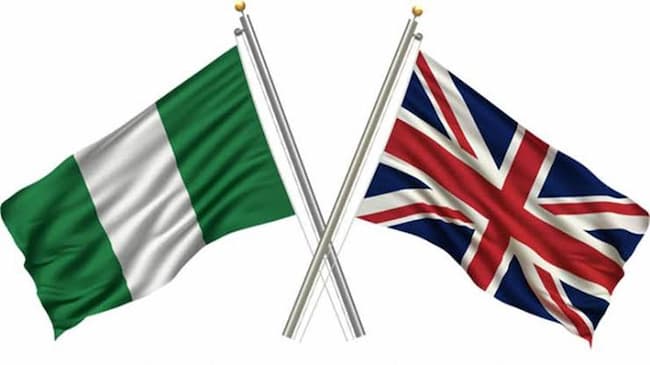
The United Kingdom and Nigeria have signaled a shift from political alignment to “real commercial action” following the conclusion of a high-level trade mission in Abuja and Lagos.
The two-day event, supported by the UK Department for Business and Trade and DMA Invest, brought together dozens of British firms to explore tangible investment opportunities.
British High Commissioner Dr. Richard Montgomery described the mission as a “clear signal of intent,” marking the first major business delegation since the recent state visit.
The mission prioritized sectors where British technical expertise meets Nigeria’s evolving market needs, ranging from climate solutions and sustainable agriculture to finance and logistics.
With trade volumes hitting a historic high of £8.1 billion, the UK is positioning itself as a primary partner in Nigeria’s reform-driven economy. NIPC Chief Executive Aisha Rimi noted that the strong interest from these firms reflects a rising global confidence in Nigeria’s efforts to streamline its investment climate and unlock value across critical infrastructure.
The Issues
The primary challenge is the implementation-velocity gap; while high-level agreements are signed at state visits, translating them into “groundbreaking” projects often takes years due to bureaucratic hurdles. Authorities must solve the problem of foreign exchange predictability, as British investors remain cautious about the long-term stability of the Naira when repatriating profits.
Furthermore, there is a technical-standardization risk; aligning UK testing and certification standards with Nigerian regulatory frameworks is essential for seamless trade in the manufacturing and agri-tech sectors. To succeed, the partnership must move beyond dialogue and facilitate “bankable” projects that lead to immediate job creation.
What’s Being Said
- “We are backing ambition with delivery and making clear that the UK is committed, engaged and ready to do business with Nigeria,” stated Dr. Richard Montgomery.
- Aisha Rimi of NIPC emphasized that the mission is a “strategic step in translating the renewed momentum into tangible investment outcomes.”
What’s Next
- The NIPC and UK Department for Business and Trade are expected to establish a joint monitoring desk to track the progress of the 30 companies that participated in the mission.
- A follow-up investment summit is anticipated to be held in London later in 2026 to finalize funding for major infrastructure and energy projects.
- New bilateral protocols on testing and certification standards are likely to be drafted to ease the export of Nigerian agricultural goods to the UK.
- Financial institutions from both countries are expected to announce new credit lines specifically for SME-led trade under the ETIP framework.
Bottom Line
The record-breaking £8.1 billion trade figure proves that the UK-Nigeria relationship is moving past historical ties and into a phase of deep economic integration. By focusing on practical commercial opportunities rather than just diplomatic rhetoric, this mission has set the stage for a new era of British investment in Nigeria’s infrastructure and tech landscape.