








Key points
- RSE Engineering Nigeria Limited has signed a Memorandum of Understanding with the Energy Commission of Nigeria to deploy advanced cogeneration technology.
- Cogeneration, or Combined Heat and Power, simultaneously produces electricity and thermal energy, reaching up to 90% system efficiency.
- The Ukrainian Embassy indicated readiness to share decentralized modular systems to help optimize the efficiency of Nigeria’s power grid.
- RSE Engineering will introduce European cogenerator model systems to help mitigate long-standing electricity supply deficits across the country.
- The partnership builds upon RSE Engineering’s existing sustainable footprint and previous strategic pacts established with the Federal Government.
Main Story
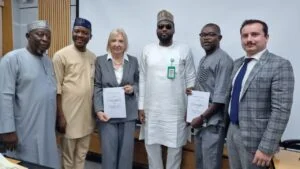
The Energy Commission of Nigeria (ECN) has entered into a strategic partnership with RSE Engineering Nigeria Limited through the signing of a Memorandum of Understanding (MoU) aimed at accelerating the deployment of advanced cogeneration technology across the federation.
This specialized infrastructure, frequently designated as Combined Heat and Power (CHP), functions by concurrently generating electrical power and capturing usable thermal energy from a solitary fuel source.
By trapping what would otherwise be discarded as waste heat, the technology attains an operational efficiency of 85% to 90%, representing a massive improvement over traditional separate generation methods which typically average between 35% and 55% efficiency. ECN Director-General, Dr. Mustapha Abdullahi, presided over the signing ceremony in Abuja, noting that the initiative is designed to foster indigenous capacity growth, research synergy, and eco-friendly power alternatives.
The diplomatic community also highlighted the potential of the pact, with the Ukrainian Embassy’s Second Secretary for Economic Issues, Mr. David Hohiia, expressing his country’s willingness to transfer modern modular and cogeneration expertise to maximize Nigeria’s electricity network.
Hohiia observed that despite sustaining extensive infrastructure damage from ongoing domestic conflicts, Ukraine has successfully preserved the stability of its own power grid by utilizing highly decentralized energy frameworks rather than relying solely on massive centralized power stations. He emphasized that this collaborative approach with the ECN will assist the West African nation in transitioning toward smarter, environmentally viable utilities.
Adding a commercial perspective, the Chief Executive Officer of RSE Engineering Nigeria Limited, Ms. Olena Nedryhailo, explained that introducing European-designed cogenerator model systems under this new agreement will offer a functional remedy to the country’s persistent power supply shortfalls.
Nedryhailo pointed out that this latest alliance deepens her firm’s sustainable development footprint within the country, following a series of prior strategic agreements brokered directly with the Federal Government. The underlying systems are backed by over fifteen years of active field performance managed by the engineering firm’s parent outfit based in the Czech Republic.
The Issues
- Integrating high-efficiency Combined Heat and Power (CHP) technology to replace wasteful traditional power generation models.
- Adapting decentralized, modular utility concepts from war-torn regions to insulate the domestic grid from systemic failures.
- Transitioning from administrative agreements into active project execution to ensure measurable improvements in national electricity capacity.
What’s Being Said
- Emphasizing the agency’s dedication to introducing innovative and sustainable answers to national utility deficits, Dr Mustapha Abdullahi stated: “Today marks another significant milestone in the commission’s commitment to advancing Nigeria’s energy sector through strategic partnerships, innovation and sustainable energy solutions.”
- Highlighting the need for joint efforts among diverse sector participants to tackle complex domestic power issues, Abdullahi noted: “The complex energy challenges facing our nation require collaboration, strategic partnerships, knowledge sharing, technological innovation and the collective efforts of stakeholders.”
- Warning that the real worth of the signed document lies entirely in executing the actual initiatives, the ECN boss added: “The true value of these partnerships will not be measured by the signatures affixed today but reflected in the successful implementation of agreed programmes,”
- Expressing Ukraine’s target of transferring technical methodologies to boost the productivity of the local grid, Mr David Hohiia said: “We want to share with Nigeria how to get more efficient power supply and more efficient electricity.”
- Explaining the structural strategy behind their technological recommendations, Hohiia elaborated: “We can achieve this not by building big power plants, but by using some modular technology, cogeneration technology and environmental proper technologies.”
- Confirming the official status of the technical arrangement with the regulatory body, he concluded: “That is why we are here to collaborate with the Energy Commission and the MoU has been signed already,”
- Explaining the historical operational reliability of the equipment being introduced to the market, Ms Olena Nedryhailo said: “Our technology is working for more than 15 years and our mother company in the Czech Republic shows good results.”
- Sharing her aspirations regarding the commercial deployment of these utility assets, Nedryhailo added: “Now we are selling a lot of cogenerator model systems and hope we will be useful to help solve the problem with electricity,”
What’s Next
- The ECN and RSE Engineering will establish frameworks to oversee the rollout of European cogenerator systems across key industrial targets.
- Technical teams from the Energy Commission will interface with Ukrainian experts to analyze data regarding modular, decentralized grid management.
- The partners will begin executing localized research collaborations to train engineers on operating the imported Czech equipment.
Bottom Line
The Energy Commission of Nigeria has signed an MoU with RSE Engineering to deploy advanced European cogeneration technology capable of hitting 90% efficiency, supported by tech-sharing commitments from Ukraine to introduce decentralized modular power solutions.












 has entered into a strategic partnership with RSE Engineering Nigeria Limited through ...)