



Key points
- Gov. Dikko Radda approves 30 solar-powered lights for Tsangaya schools in each of Katsina’s 361 wards.
- Initiative targets improved learning conditions in Almajiri and Qur’anic education system.
- Katsina adopts climate change budget tagging across MDAs and local governments.
- Policy aims to improve transparency and climate-focused public spending.
- State also approves 2,000 modular kiosks for small businesses under enterprise programme.
Main Story

Gov. Dikko Radda of Katsina State has approved the procurement and installation of 30 solar-powered lights in Tsangaya schools across each of the 361 wards in the state.
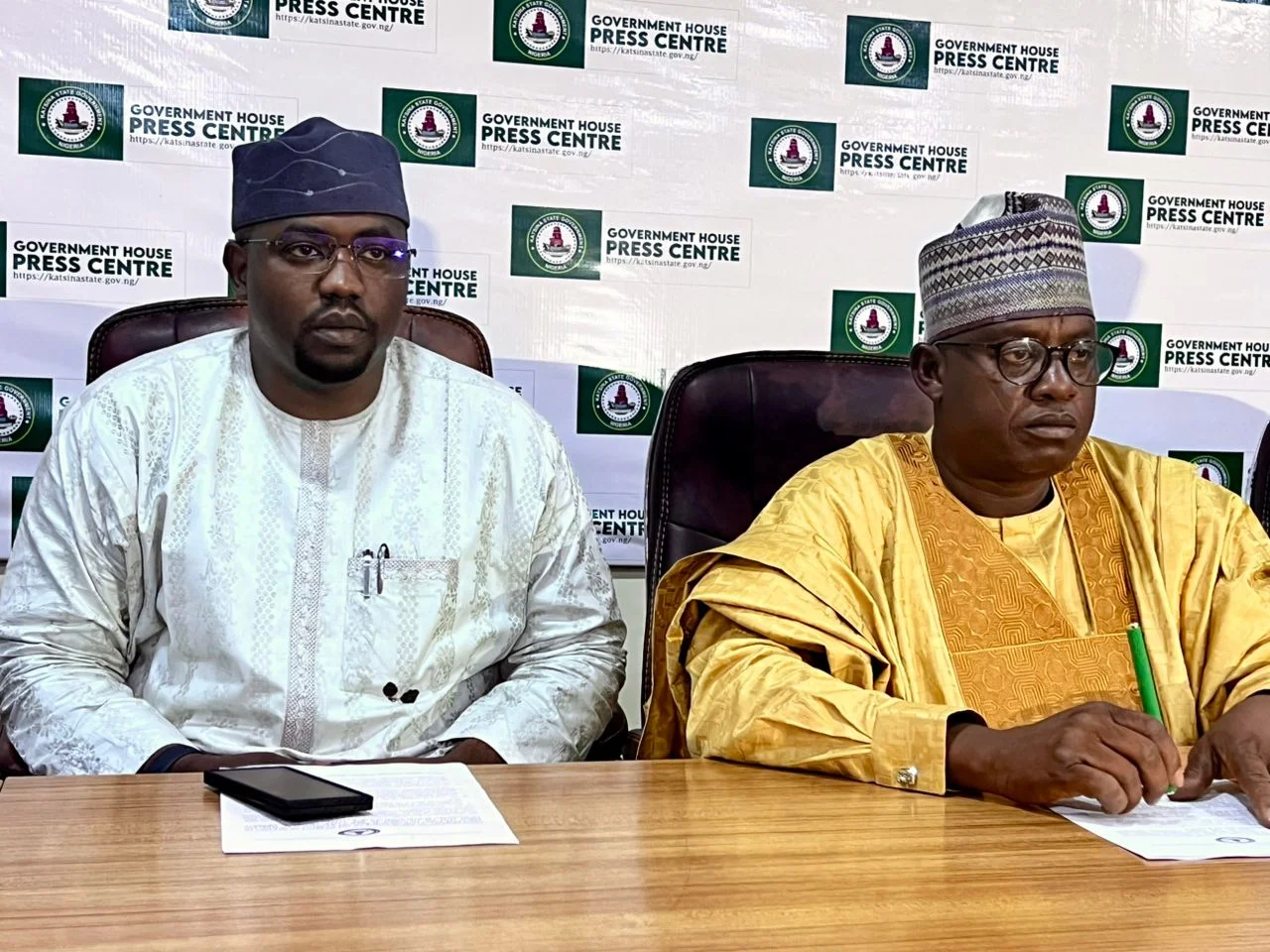
The Chief Press Secretary to the governor, Ibrahim Mohammed, said this in a statement made available to the News Agency of Nigeria (NAN) on Thursday. Mohammed said the approval is part of strategic interventions aimed at improving education delivery, expanding economic opportunities and strengthening climate-responsive governance.
He said the decision was made during the 9th Regular Meeting of the State Executive Council for 2026 held at Government House and presided over by the governor. The Commissioner for Information, Dr Bala Zango, said the approvals reflect the administration’s commitment to people-focused development policies. The Special Adviser on Power and Energy, Dr Hafiz Ahmed, said the intervention will improve learning conditions in Tsangaya schools, especially during evening hours.
He said: “This initiative will create a more conducive learning environment in Tsangaya schools and support ongoing efforts to modernize and integrate the Almajiri education system.” Ahmed also announced the adoption of Climate Change Budget Tagging across ministries, departments, agencies and local government councils. He said the policy will apply to all climate-related programmes, projects, procurement and public expenditures.
He said it will improve transparency, accountability and efficiency in public financial management. He added that the reform will strengthen climate response, agricultural productivity and water resource management in the state. He said the governor recently made history at the ChangeNOW 2026 Summit in Paris, becoming the first Nigerian leader to deliver a keynote address at the event.
He said: “During the summit, the governor highlighted climate transformation and showcased Katsina State’s renewable energy drive.”
He added that the approvals reflect efforts to translate global engagements into local development outcomes. The Director-General of the Katsina State Enterprise Development Agency (KASEDA), Dr Babangida Ruma, said the government also approved 2,000 modular kiosks for small businesses. He said the kiosks will replace makeshift roadside structures used by nano and micro businesses. He added that the kiosks will be built with galvanised steel frames, reinforced structures, lockable doors and ventilation.
He said: “The kiosks will provide safer, more durable, and organised trading spaces.”
The Issues
- Limited infrastructure in rural education systems
- Need for climate-responsive governance at state level
- Informal business structures affecting urban planning
- Weak integration of climate budgeting in public finance systems
- Energy access gaps in learning environments
What’s Being Said
- Dr Hafiz Ahmed: “This initiative will create a more conducive learning environment in Tsangaya schools and support ongoing efforts to modernize and integrate the Almajiri education system.”
- Dr Hafiz Ahmed: “During the summit, the governor highlighted climate transformation and showcased Katsina State’s renewable energy drive.”
- KASEDA DG, Dr Babangida Ruma: “The kiosks will provide safer, more durable, and organised trading spaces.”
What’s Next
- Rollout of solar lighting across Tsangaya schools in all wards
- Implementation of climate budget tagging across MDAs and LGs
- Construction and deployment of 2,000 modular kiosks
- Expansion of renewable energy and education integration programmes
Bottom Line
Katsina State is combining education reform, climate governance and small business infrastructure to drive a more inclusive and sustainable development model.