




Home Blog Page 84

Nigeria rejoins World Energy Council, inaugurates governing board

Key points

  • Nigeria rejoins the World Energy Council with a new National Member Committee and Governing Board.
  • Abdulrazaq Isa appointed chairman, while Bala Wunti will serve as inaugural CEO.
  • Membership is expected to strengthen Nigeria’s role in global energy policy, investment and collaboration.

Main story

Nigeria has rejoined the World Energy Council (WEC) with the inauguration of a National Member Committee and Governing Board to strengthen the country’s participation in global energy policy and investment discussions.

The country’s renewed membership was announced on Thursday in a statement signed by the Secretary-General and Chief Executive Officer of the World Energy Council, Dr Angela Wilkinson.

The News Agency of Nigeria (NAN) reports that Nigeria first became a member of the council in 1960 before its national committee was re-established and expanded this year.

According to the statement, the renewed membership provides an independent, technology-neutral platform that brings together government, industry, academia, finance and civil society to address issues relating to energy security, energy equity and environmental sustainability.

The newly inaugurated Governing Board is chaired by the Chairman of Waltersmith Petroman Oil Ltd., Abdulrazaq Isa, while former Chief Upstream Investment Officer of NNPC Ltd., Bala Wunti, will serve as the inaugural Chief Executive Officer.

Other members of the board include Prof. Wumi Iledare, Dr Mustapha Abdullahi, Mrs Aisha Farida Katagum, Dr Ainojie Irune, Dr Emmanuel Okon, Dr Victor Ekpenyong and Dr Imamuddeen Talba.

Wilkinson said Nigeria’s participation comes at a critical period as the country seeks to expand energy access, strengthen energy security, accelerate gas development and attract investment for industrialisation and sustainable economic growth.

She added that the Nigerian committee would apply the council’s Energy Trilemma framework to the country’s energy priorities while ensuring African perspectives contribute meaningfully to global energy discussions.

The issues

Nigeria is pursuing reforms aimed at improving energy access, attracting investment and accelerating its energy transition. Membership of the World Energy Council provides a platform to engage global stakeholders, influence policy discussions and promote investment opportunities across the country’s energy sector.

What’s being said

“Nigeria has a significant leadership role to play within the global energy community.”

“Nigeria’s participation comes at a pivotal time as the country seeks to expand energy access, strengthen energy security, accelerate gas development and mobilise the capital required for industrialisation and sustainable economic growth.”

“This system will be capable of driving economic growth and shared prosperity.”

What’s next

The National Member Committee is expected to begin engaging stakeholders across Nigeria’s energy sector and represent the country at the World Energy Congress in Riyadh in April 2027.

Bottom line

Nigeria’s return to the World Energy Council strengthens its voice in global energy discussions and creates new opportunities for international collaboration, investment and policy development in the country’s energy sector.

Nigeria spent N1.16tn on fuel subsidy in 2021 – RMAFC

RMAFC Kicks Off Revenue Allocation Formula Review

Key points

  • RMAFC says Nigeria spent N1.16 trillion on fuel subsidy in 2021.
  • Commission says N1.20 trillion was deducted from federation crude sales proceeds.
  • Senate committee summons Auditor-General over absence from hearing.

Main story

The Chairman of the Revenue Mobilisation Allocation and Fiscal Commission (RMAFC), Dr Mohammed Shehu, says Nigeria spent N1.16 trillion on fuel subsidy in 2021.

Shehu disclosed this on Thursday in Abuja while presenting before the Senate Public Accounts Committee (SPAC), which is probing the 2021 to 2023 audit reports on the oil and gas industry conducted by the Nigeria Extractive Industries Transparency Initiative (NEITI).

He also told the committee that N1.20 trillion was deducted from federation crude oil sales proceeds during the period under review.

According to him, fuel subsidy was not the only deduction, as crude oil and petroleum product losses accounted for N16.20 billion, pipeline repairs for N22.05 billion and strategic stock holding for N6.75 billion.

Shehu further argued that the objective of the 13 per cent derivation principle was undermined by the method used in its computation.

Meanwhile, the committee stood down the submission of the Niger Delta Development Commission (NDDC) to allow members study the report before the agency’s reappearance on Aug. 12.

The committee also expressed displeasure over the absence of the Auditor-General of the Federation from the investigative hearing.

Chairman of the committee, Sen. Ibrahim Dankwambo, warned that the Auditor-General must appear at the next sitting or face legislative sanctions.

The issues

The Senate committee is reviewing audit findings on Nigeria’s oil and gas sector to strengthen accountability, improve revenue management and address issues affecting remittances to the Federation Account.

What’s being said

“The practice of computing 13 per cent derivation on the balance of revenue after deductions from the total collections is contrary to the intention of the derivation objective,” Shehu said.

“The Auditor-General must unfailingly appear before this committee on Tuesday next week or risk invocation of powers of the National Assembly against him, which will lead to forced appearance,” Dankwambo said.

What’s next

The Senate committee is expected to continue its investigation next week, with the Auditor-General and the NDDC scheduled to appear before lawmakers.

Bottom line

The hearing highlights renewed legislative scrutiny of subsidy spending, oil revenue deductions and fiscal accountability in Nigeria’s petroleum sector.

Investor commits $500m to solar projects in universities

40 MW Kesses Solar Facility Becomes Operational In Kenya

Key points

  • Gigawatts Global plans up to $500 million in financing for university solar projects.
  • Solar plants will supply electricity to campuses and neighbouring rural communities.
  • Initiative aims to cut energy costs, reduce diesel dependence and boost local manufacturing.

Main story

A Renewable Energy Investor and Chief Executive Officer of Gigawatts Global, Yosef Abramowitz, has announced plans to provide up to $500 million in project financing for solar power plants across Nigerian universities.

Abramowitz made the announcement in Abuja during the 2026 NextGen Innovation Challenge National Showcase and the official launch of the Tinubu Light Initiative (TLI), organised by the National Board for Technology Incubation (NBTI).

He said the initiative is designed to improve electricity supply in universities, support research activities and extend reliable power to surrounding rural communities.

According to him, the financing will cover up to 90 per cent of the cost of university-based solar projects, subject to internationally bankable power purchase agreements and the achievement of agreed project milestones.

Abramowitz said many Nigerian universities currently depend on costly diesel generators, leaving campuses with electricity for only a few hours daily.

He explained that each solar facility would generate between 10 and 20 megawatts of electricity, enough to meet campus demand while supplying excess power to nearby communities through prepaid metering systems.

He added that the company would prioritise local content by sourcing solar panels, mounting structures, cables and maintenance services within Nigeria to create jobs and strengthen the domestic renewable energy value chain.

Abramowitz also said local partners would operate and maintain the facilities to improve long-term reliability and reduce operating costs.

He noted that lowering universities’ energy bills would enable institutions to redirect more resources toward education, research and innovation.

The issues

Many Nigerian universities face unreliable electricity supply and high diesel costs, affecting teaching, research and digital learning. Large-scale solar projects are increasingly being explored as a sustainable alternative that can also improve electricity access for surrounding communities.

What’s being said

“We’re honoured to be able to present up to $500 million in project finance.”

“We want to bring down your costs, increase the amount of energy, make it green and sustainable, and empower the communities around each of these universities.”

“We’re going to buy our panels in Nigeria. We’re going to buy our solar racking in Nigeria. We’re going to buy our cables in Nigeria.”

What’s next

The projects will proceed once bankable power purchase agreements are secured and financing milestones are met, with implementation expected to involve local manufacturers, contractors and operations teams.

Bottom line

The proposed $500 million investment could significantly improve electricity supply in Nigerian universities while expanding clean energy access, supporting local manufacturing and benefiting surrounding communities.

Tinubu orders EFCC to unfreeze Osun accounts

Key points

  • President directs EFCC to vacate court order freezing Osun Government accounts.
  • Tinubu says timing of the action could undermine confidence in the governorship election.
  • President reaffirms commitment to the independence of anti-corruption agencies.

Main story

President Bola Tinubu has directed the Economic and Financial Crimes Commission (EFCC) to vacate the court order freezing the bank accounts of the Osun State Government.

Tinubu gave the directive in a statement personally issued on Thursday in Abuja.

The president said he became aware that the EFCC had obtained a court order on Aug. 5 freezing the state’s accounts.

He said he was deeply embarrassed by the timing of the action, although not by the commission’s exercise of its statutory mandate backed by a court order.

Tinubu reiterated his commitment to the independence of anti-corruption and law enforcement agencies, saying he had consistently allowed them to carry out their responsibilities without political interference.

He said he had deliberately refrained from interfering in the operational activities of the EFCC and other investigative agencies, stressing that strong democratic institutions operating within the law were essential for good governance.

The president, however, said he had yet to receive a full briefing on the circumstances that led the EFCC to seek the court order.

He noted that with the Osun governorship election only days away, no action should create the impression that any federal agency was being used to influence the electoral process.

Tinubu subsequently directed the EFCC to immediately approach the court to vacate the order and discontinue the action against the Osun State Government.

The issues

The directive comes amid heightened political activities ahead of the Aug. 15 Osun governorship election. The freezing of the state’s accounts had generated controversy, with concerns that the move could affect government operations and public perception of the electoral process.

What’s being said

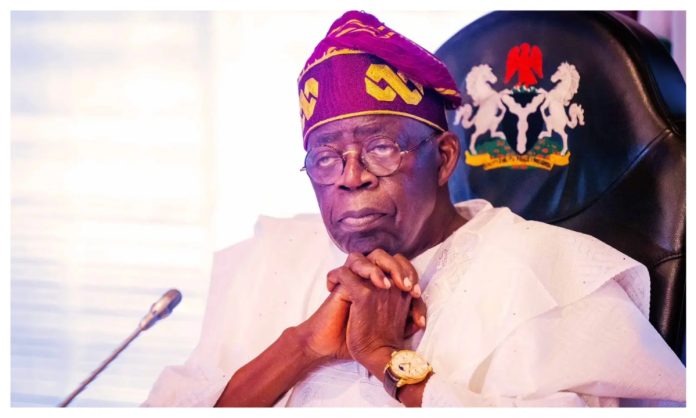
“Since assuming office, I have consistently maintained that anti-corruption and law enforcement agencies must be allowed to discharge their statutory responsibilities independently, professionally, without fear or favour, or political interference,” Tinubu said.

“I am not in the slightest doubt that the timing of the action of EFCC is inauspicious, and therefore, I feel compelled to intervene.”

“Accordingly, I have directed the EFCC to immediately proceed to the court to vacate the order and discontinue whatever action it has instituted against the Osun State Government in this regard.”

What’s next

The EFCC is expected to comply with the presidential directive by approaching the court to vacate the freezing order, while investigations into the alleged financial misconduct may continue through lawful processes.

Bottom line

Tinubu’s intervention seeks to preserve public confidence in the credibility of the Osun governorship election while reaffirming support for the operational independence of anti-corruption agencies.

Everything you need to know about Big Brother Naija Season 11’s gambit twist

By Boluwatife Oshadiya | August 6, 2026

Key Points

  • Viewers voted Flora Egbedi and Amyr “Aikou” Yousufzai as Season 11’s Gambits during the first Live Show on August 2, 2026, with Flora securing 29.18% and Aikou 9.10% of the vote
  • The pair are locked in until the finale but permanently ineligible for the ₦160 million grand prize
  • Big Brother privately informed Aikou on Wednesday and Flora on Thursday that they must keep their undercover status secret or risk punishment or disqualification
  • They remain full housemates eligible for task rewards, sponsorships, and daily activities while acting as Biggie’s secret agents
  • No eviction occurred in Week 1; the public vote replaced the usual eviction process to select the Gambits

Main Story

Big Brother Naija Season 11, tagged “Show Ya Sef,” premiered on July 26, 2026, with 24 housemates competing for a record ₦160 million grand prize. On Day 1, Big Brother introduced a brand-new gameplay element called The Gambit. One male and one female housemate would be selected by public vote to stay in the house until the very end of the season. In return, they would permanently forfeit any chance of winning the grand prize.

During the first Live Show on August 2, host Ebuka Obi-Uchendu announced the results. Flora Egbedi, a makeup entrepreneur from Delta State, emerged as the female Gambit after polling 29.18% of the votes. Amyr “Aikou” Yousufzai, a 25-year-old freelance teacher and web developer from Abuja, took the male position with 9.10%. Ricky and Abi finished next in the voting.

The housemates had packed their suitcases expecting possible eviction. Instead, Ebuka revealed that fans had voted for who should stay until the finale. “Voters have chosen The Gambit. Aikou and Flora are safe until the finale, but there’s one catch… they are no longer in the running for the ₦160 million grand prize,” the organisers confirmed.

Flora and Aikou continue living in the house, taking part in every task, sponsored challenge, and daily activity. They remain eligible for individual rewards and brand prizes. Their core role, however, is to serve as undercover agents for Big Brother, carrying out secret missions designed to influence house dynamics without revealing their identities.

Big Brother formally informed the pair in separate diary sessions. Aikou was told on Wednesday: “Aikou, you are the Gambit. From this moment on, your identity as the Gambit must remain a secret.” Flora received her briefing on Thursday: “Flora, you are the Gambit. From this moment on, your identity as the Gambit must remain a secret. If you reveal your identity, you may be disqualified.” She responded emotionally: “I will try my best. I do not think staying longer is enough.”

The Issues

The Gambit introduces a deliberate trade-off that reshapes strategy from the first week. Guaranteed longevity removes the constant pressure of nominations and eviction for two players, allowing them to play more freely. At the same time, it removes them from the ultimate prize, creating a permanent distinction between those competing for money and those competing for screen time and influence.

This structure tests viewer priorities. Fans effectively chose who they wanted to keep in the house for the full run, knowing those contestants would never take home the cash. It also places the remaining 22 housemates in a new environment: they must navigate daily life alongside two players who cannot be voted out yet hold no stake in the final prize.

The secrecy requirement adds another layer. Any leak of their status risks disqualification, forcing Flora and Aikou to operate carefully while still participating fully in house life. The twist arrives early enough to influence alliances, nominations, and task performance for the rest of the season.

What’s Being Said

During the Live Show, Ebuka delivered a direct assessment of the housemates’ first-week energy. “Too many of you waiting for things to happen, and not enough of you making things happen,” he told them. He later added: “This is a show, and ultimately I and the fans expect to be entertained.”

He pressed individual housemates. When he asked Cassi whether he would leave any impression if he exited that night, Cassi replied: “No.” Pressed further, Cassi said: “There’s no excuse, actually.” Abi, the Deputy Head of House, admitted she had done nothing after claiming she received no instructions. Martins named several younger housemates as “kids” in the house when Ebuka asked him to clarify an earlier statement.

Aikou was asked who he thought was putting up an act. After careful consideration he named Flora. Keivo, when asked if he was fulfilling the promises he made to viewers, answered: “Yes I am. I’m being myself and unique.”

Organisers have framed the role clearly: the Gambits act as Biggie’s agents while remaining subject to all house rules.

What’s Next

Housemates will begin voting for the Most Influential Player of the Week (MIPOW) from the following Saturday. The betPAWA weekly fan competition has also been introduced. Regular nominations and the first live eviction are expected to resume in the coming weeks as the season moves beyond the Gambit selection phase.

Flora and Aikou will receive their first secret assignments. The rest of the house continues competing for the ₦160 million prize without knowledge of the Gambits’ identities. Big Brother Naija Season 11 streams live 24/7 on DStv Channel 198 and GOtv Channel 49. The Sunday Live Eviction Show airs at 7:00 PM WAT on Africa Magic Showcase and Africa Magic Family.

The Bottom Line: The Gambit is a calculated sacrifice that hands two housemates total security in exchange for the ultimate prize. It forces both the selected pair and the remaining contestants to recalibrate strategy early, while giving viewers an unusually direct hand in shaping who stays for the full journey. Whether the twist elevates the entertainment value or simply locks in two safe players remains the central question for the rest of Season 11.

UK appoints Vicky Seymour Deputy High Commissioner to Nigeria

Key points

  • Vicky Seymour succeeds Gill Lever as UK Deputy High Commissioner in Abuja.
  • She brings more than two decades of experience in diplomacy and international development.
  • Seymour pledges to deepen UK-Nigeria cooperation across key sectors.

Main story

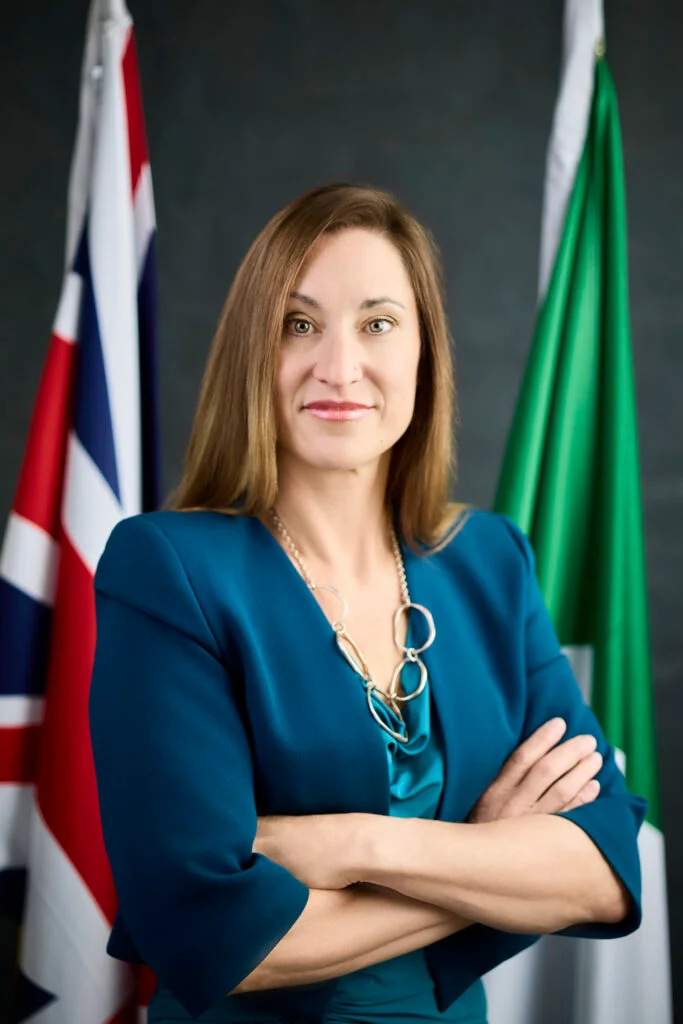
The United Kingdom Government has appointed Ms Vicky Seymour as its new Deputy High Commissioner in Abuja.

The appointment was announced on Thursday by the British High Commission, which said Seymour succeeds Mrs Gill Lever, who completed her tour of duty in June.

According to the mission, Seymour has assumed her duties in Abuja, where she will help strengthen the United Kingdom’s partnership with Nigeria across areas including economic growth, security, migration, development, international collaboration and people-to-people ties.

The High Commission said Seymour brings more than 20 years of experience in diplomacy, international development and public service.

Before her appointment, she served as Head of the East Africa Department at the UK Foreign, Commonwealth and Development Office (FCDO), a position she held from 2023.

She also previously led the FCDO’s Trade Diplomacy Department and served as Development Director in Mozambique.

Before joining the UK civil service, Seymour worked in the not-for-profit sector, focusing on migration.

Reacting to her appointment, Seymour said she was pleased to begin her new assignment and looked forward to strengthening relations between both countries.

The issues

The appointment comes as the UK and Nigeria continue to deepen cooperation in trade, security, migration, development and other areas of mutual interest.

What’s being said

“I look forward to getting to know this extraordinary country, meeting people from across Nigeria’s diverse communities, and building on the strong partnership that already exists between our two countries,” Seymour said.

“Together, I hope we can continue creating opportunities for greater collaboration and links between our people in the years ahead.”

What’s next

Seymour will begin engaging with government officials, development partners and other stakeholders as she assumes her diplomatic responsibilities in Abuja.

Bottom line

The appointment of Vicky Seymour signals the UK’s commitment to sustaining and strengthening its longstanding partnership with Nigeria across key diplomatic, economic and development priorities.

Kemi Adeosun’s husband dies at 62

Key points

  • Anthony Adeosun died in Lagos on Wednesday at the age of 62.
  • Family describes him as a distinguished businessman and devoted Christian.
  • Funeral arrangements will be announced later.

Main story

Anthony Adeniyi Adeosun, husband of former Minister of Finance Kemi Adeosun, has died at the age of 62.

The Adeosun family announced his passing in a statement issued on Thursday, saying he died on Wednesday, Aug. 5, in Lagos State.

The statement, signed by Rev. C. A. Adeosun on behalf of the family, described the deceased as a distinguished businessman and devoted Christian whose life was marked by integrity, generosity and service.

The family said Anthony Adeosun was committed to his faith, family and community, adding that he positively impacted the lives of many people.

It expressed gratitude to those who had offered prayers, condolences and support following his death.

The family also said details of the funeral and Christian burial arrangements would be announced in due course.

Anthony Adeosun is survived by his wife, Kemi, his children and his siblings, including Kuramo Capital founder Adewale Adeosun.

The issues

Anthony Adeosun was widely known in business circles and was also recognised as the husband of former Minister of Finance Kemi Adeosun, who served in the administration of former President Muhammadu Buhari.

What’s being said

“It is with profound sorrow, yet in total submission to the will of Almighty God, that the Adeosun family announces the passing of our beloved husband, father, and brother, Mr Anthony Adeniyi (Niyi) Adeosun,” the family said.

“He lived a life defined by hard work, service to God, and an unwavering commitment to his family and community.”

What’s next

The Adeosun family said funeral and Christian burial arrangements will be communicated at a later date.

Bottom line

Anthony Adeosun is being remembered by his family as a respected businessman, devoted Christian and family man whose legacy was defined by service, faith and integrity.

Umahi says highway projects will strengthen regional integration

Key points

  • Minister says Lagos-Calabar Coastal Highway and Sokoto-Badagry Expressway will improve national connectivity.
  • FG says President Tinubu is rebuilding ageing road infrastructure with more durable designs.
  • Traditional rulers raise concerns over coastal erosion threatening Ayetoro community.

Main story

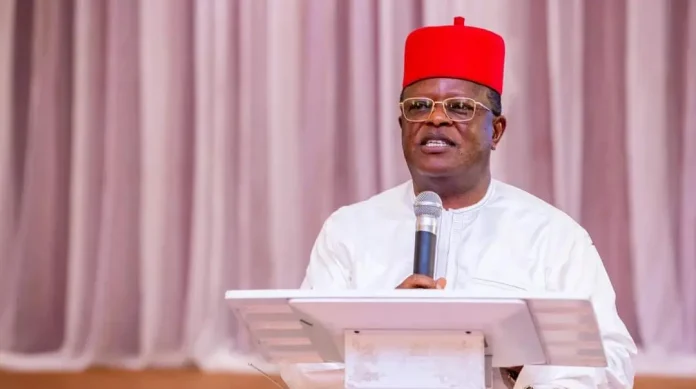
The Minister of Works, Engr. Dave Umahi, says the ongoing construction of the Lagos-Calabar Coastal Highway and the Sokoto-Badagry Expressway will strengthen regional integration and transform connectivity across Nigeria.

Umahi spoke during a meeting with traditional rulers in Ilaje Local Government Area of Ondo State while inspecting the Ondo section of the Lagos-Calabar Coastal Highway late Wednesday.

He said many road projects currently being executed by the Federal Government were inherited from previous administrations but required extensive rehabilitation because of their deteriorating condition.

According to the minister, the Tinubu administration is prioritising durable road infrastructure capable of serving the country for the long term.

Umahi said the President had directed the Ministry of Works to adopt prudent engineering solutions in delivering the Lagos-Calabar Coastal Highway.

He explained that further soil investigations along parts of the route informed adjustments to the project’s design, noting that constructing bridges across every crossing would have made the project excessively expensive.

Chairman of the House of Representatives Committee on Works, Mr Akin Alabi, commended the minister for what he described as his pragmatic approach to infrastructure development.

Also speaking, the Olu of Igbokoda, Oba Afolabi Odidiomo, expressed optimism that the coastal highway would improve transportation in the area.

The monarch, however, urged the Federal Government to address the persistent sea incursion affecting Ayetoro community to safeguard the new infrastructure.

The issues

The Lagos-Calabar Coastal Highway and Sokoto-Badagry Expressway are among the Federal Government’s flagship transport projects aimed at improving connectivity, supporting trade and promoting economic development. Concerns remain over engineering challenges and the impact of coastal erosion on some communities along the route.

What’s being said

“Today, roads are being built to last. In the past, many roads deteriorated within five years,” said Minister of Works, Engr. Dave Umahi.

“As much as we appreciate the ongoing project, we want to call the attention of Mr President to the sea incursion in Ayetoro community,” said the Olu of Igbokoda, Oba Afolabi Odidiomo.

What’s next

Construction will continue on the highway while the Federal Government advances work on other sections of the project and considers concerns raised by host communities over coastal erosion.

Bottom line

The Federal Government says its flagship highway projects are designed to improve connectivity and economic integration, while host communities are urging authorities to address environmental threats that could undermine the infrastructure.

FintechNGR urges firms to make digitisation boardroom priority

Key points

  • FintechNGR says digitisation is now essential for business competitiveness.
  • Association urges business leaders to drive digital transformation from the boardroom.
  • Experts highlight governance, talent and infrastructure as critical to digital success.

Main story

The FinTech Association of Nigeria (FintechNGR) has urged Nigerian businesses to make digital transformation a boardroom priority, saying digitisation is now the minimum requirement for remaining competitive in the country’s evolving economy.

The call was made on Thursday by the association’s President, Dr Stanley Jacob, during the maiden edition of the Nigerian-British Chamber of Commerce (NBCC) Business Innovation Series in Lagos.

Jacob said the gap between digitally native companies and traditional businesses had become a survival challenge rather than simply a technology divide.

He warned that organisations that failed to embed digital transformation into their core business strategy risked losing relevance in an increasingly technology-driven economy.

According to him, Nigeria’s youthful population and expanding workforce present significant opportunities for businesses that embrace digital innovation.

Jacob said the growing digital relationship between Nigeria and the United Kingdom was creating new business opportunities, noting that Nigerian fintech companies such as LemFi, Moniepoint and Kuda Bank have expanded into the UK, while British fintech firm Wise has secured its first Nigerian licence.

He also cited major investments supporting Nigeria’s digital infrastructure, including the UK Export Finance commitment to modernise Apapa and Tin Can ports and Airtel Africa’s $80 million data centre in Lagos.

The FintechNGR president identified regulatory clarity, infrastructure investment and talent development as the three pillars required to sustain Nigeria’s digital ecosystem.

He said initiatives such as the Central Bank of Nigeria’s Open Banking framework, the Federal Government’s Three Million Technical Talent programme and partnerships between Nigerian and UK institutions were strengthening digital capacity.

Jacob urged business leaders to regularly review and adequately fund their digital strategies while strengthening customer experience, data governance and cybersecurity.

He also warned that many digital transformation initiatives fail because they are treated as information technology projects rather than organisation-wide business transformation programmes.

President of the Nigerian-British Chamber of Commerce, Mr Abimbola Olashore, represented by the chamber’s Vice-President, Mr Akin Osuntoki, said technology had become a strategic driver of business growth, competitiveness and long-term sustainability.

Chairman of the NBCC Programmes Committee, Mr Tajudeen Ahmed, said digital transformation required visionary leadership and a willingness to rethink business models.

Chief Operating Officer of Risevest, Mr Awa Ekekwe, also stressed that technology alone was insufficient, noting that people, sound processes and effective governance remained the foundation of sustainable digital transformation.

The issues

As businesses accelerate digital adoption, experts say success depends not only on technology investments but also on leadership, governance, digital skills and regulatory support. Many organisations continue to struggle because digital transformation is approached as an IT initiative rather than a business-wide strategy.

What’s being said

“Digitisation is the minimum requirement for relevance,” said Dr Stanley Jacob, President of FintechNGR.

“The muscle of businesses in this time and age are still the people while your processes and governance structures are the foundation which you then leverage technology on,” said Mr Awa Ekekwe, Chief Operating Officer of Risevest.

What’s next

Industry stakeholders are expected to deepen collaboration on digital innovation through initiatives such as the NBCC Business Innovation Series, while businesses continue investing in technology, talent and governance to remain competitive.

Bottom line

Business leaders are being urged to treat digital transformation as a strategic priority, with experts arguing that long-term competitiveness will depend on combining technology with strong leadership, governance and skilled talent.

Prudential Zenith, Standard Chartered partner on life insurance

Insurance

Key points

  • Prudential Zenith Life and Standard Chartered Bank Nigeria launch bancassurance partnership.
  • Collaboration aims to expand access to life insurance through the bank’s customer network.
  • Customers will have access to protection, education and family-focused insurance products.

Main story

Prudential Zenith Life Insurance and Standard Chartered Bank Nigeria Ltd. have entered into a strategic bancassurance partnership to expand access to life insurance products and strengthen financial inclusion in Nigeria.

The partnership was announced on Thursday in Lagos in a joint statement by the two organisations.

Under the arrangement, Standard Chartered Bank will distribute Prudential Zenith Life’s insurance products through its banking network, enabling customers to access life insurance alongside their banking services.

The companies said the collaboration is intended to bridge Nigeria’s insurance gap by integrating insurance products into customers’ everyday financial activities.

Customers will have access to a range of life insurance products tailored to different life-stage needs, including individual protection, family security and education planning.

The partnership combines Prudential Zenith Life’s underwriting expertise with Standard Chartered Bank’s distribution network to make insurance products more accessible, affordable and easier to manage.

The companies also noted that the collaboration builds on the longstanding 27-year global relationship between Prudential and Standard Chartered across 11 markets in Africa and Asia.

Executive Director and Chief Financial Officer of Prudential Zenith Life Insurance, Mr Afolabi Lawal, said the partnership is expected to broaden access to financial protection while making life insurance more relevant to customers’ financial planning.

Acting Chief Executive Officer of Standard Chartered Bank Nigeria, Mr Ayodeji Adelagun, said integrating insurance into the bank’s service offerings would strengthen its wealth management proposition while promoting greater financial inclusion.

Prudential Zenith Life Insurance became a wholly owned subsidiary of Prudential Plc following the acquisition of a 100 per cent shareholding in September 2024.

The company provides individual and corporate life insurance products, including savings plans, investment-linked products, group life cover, mortgage protection and education insurance.

Standard Chartered Bank Nigeria Ltd., a subsidiary of Standard Chartered PLC, offers corporate and institutional banking, wealth management and transaction banking services in Nigeria.

The issues

Nigeria’s insurance penetration remains among the lowest in Africa. Bancassurance partnerships are increasingly being adopted to improve access to insurance products by leveraging banks’ customer reach and distribution channels.

What’s being said

“Together, we are dismantling barriers while building a stronger and more resilient society,” said Mr Afolabi Lawal, Executive Director and Chief Financial Officer of Prudential Zenith Life Insurance.

“Our customers can now secure their futures with confidence, knowing that their wealth and legacy are protected,” said Mr Ayodeji Adelagun, Acting Chief Executive Officer of Standard Chartered Bank Nigeria.

What’s next

The partnership will see Standard Chartered Bank begin offering Prudential Zenith Life’s insurance products to its customers as both organisations seek to expand insurance uptake and financial protection across Nigeria.

Bottom line

The bancassurance partnership combines banking and insurance services to make life insurance more accessible, supporting broader financial inclusion while helping more Nigerians protect their families and long-term financial goals.

Day 11: Cassi and Bluethopia clash as wager pressure mounts in BBNaija house

By Boluwatife Oshadiya | August 6, 2026

Key Points

  • Cassi and Bluethopia clash during wager rehearsals as pressure builds ahead of the presentation
  • Flora breaks down after Biggie reveals she is this week’s Gambit under strict secrecy
  • Housemates continue intense preparations with emotions and tensions running high before tonight’s wager

Main Story

Tensions escalated inside the Big Brother Naija Season 11 house on Day 11 as housemates struggled to prepare for their all-important wager presentation, with rehearsals interrupted by heated arguments, emotional diary sessions and a major revelation from Biggie.

The day’s activities began with Head of House Sheba overseeing preparations alongside Cassi, who urged fellow housemates to suspend cooking and focus entirely on rehearsals. Insisting that cereal or bread would save valuable time, Cassi warned against distractions as the house worked towards delivering a successful wager performance.

The pressure soon boiled over when Cassi became involved in a heated confrontation with Bluethopia and Temi Nkem. Voices were raised before Sheba intervened, calling for calm and reminding everyone that teamwork and discipline would determine the group’s success. Rehearsals later resumed as housemates continued refining their presentation.

Away from the rehearsal room, the emotional weight of the competition became evident during Diary Sessions. Flora admitted feeling disappointed that she had yet to secure a win since entering the house and expressed fears that her journey could end without making a meaningful impact.

The session took a dramatic turn when Biggie informed Flora that she is this week’s Gambit, a secret role she must keep hidden from the other housemates or risk immediate disqualification. The revelation left her in tears as she confessed she never wanted the responsibility.

Elsewhere, Martins encouraged housemates to remain active throughout rehearsals, while Bells told Biggie she felt unfairly targeted by some contestants, specifically mentioning Temi Nkem and Nomy. Tram and Sheba also questioned Bells’ commitment to the wager task, citing her decision to leave rehearsals for a bath as disruptive to the team’s preparations.

What’s Being Said

“Every housemate eventually gets their moment to shine. Stay strong, give your best and your time will come,” Oyin told Flora after her emotional Diary Session.

“You must not reveal your identity as the Gambit to anyone in the house. Doing so will result in automatic disqualification,” Biggie warned Flora during her Diary Session.

What’s Next

  • Housemates will present their wager performance later today as they seek to secure a successful outcome.
  • Voting remains open until Thursday at 9:00 p.m. WAT, with all housemates eligible for possible eviction except those who have secured immunity or were saved.
  • Viewers will also be watching to see whether tensions between Cassi, Bluethopia and other housemates affect future tasks and relationships.

The Bottom Line:

Day 11 highlighted how the pressure of the weekly wager is beginning to test relationships inside the BBNaija house. With emotions running high and strategic twists now in play, individual resilience and teamwork are likely to shape both the wager outcome and the dynamics heading into this week’s eviction.

Umahi says Lagos-Calabar Coastal Highway remains on schedule

Key points

  • Minister says President Tinubu will deliver the 700-kilometre Lagos-Calabar Coastal Highway as planned.
  • Construction is progressing across multiple sections, with some segments already completed or nearing completion.
  • Umahi says engineering considerations, not political interests, informed changes to parts of the highway’s alignment.

Main story

The Minister of Works, Engr. David Umahi, says the 700-kilometre Lagos-Calabar Coastal Highway remains on schedule, assuring Nigerians that President Bola Tinubu’s administration will deliver the project as planned.

Umahi gave the assurance on Wednesday while inspecting ongoing construction at the Ondo section of the highway in Ilaje Local Government Area of the state.

He said work was progressing across several sections of the highway, noting that Section One, covering 7.47 kilometres from Victoria Island to Elepe Village, had been completed.

According to him, Section Two, spanning about 50 kilometres from Lagos to the Ogun border, is about 70 per cent complete, while Sections 3A and 3B, covering approximately 67 kilometres, have reached about 30 per cent completion.

Umahi added that construction is also progressing on Section Four, an 82-kilometre stretch extending from Ogun into Ondo State, while work is ongoing on Section Five, a 180-kilometre segment in Akwa Ibom State.

He disclosed that another 100-kilometre section beginning from the Ondo axis is currently at the design stage, after which only the sections passing through Rivers, Bayelsa and Delta states would remain.

The minister dismissed criticisms of the project, insisting that the coastal highway remained a priority infrastructure project capable of transforming the country’s economy.

Responding to comments by former Cross River State Governor Donald Duke, Umahi said the project would extend beyond Epe as planned.

He also rejected allegations that parts of the highway were diverted to favour owners of private estates, saying engineering considerations informed the alignment.

According to him, soil investigations along the originally proposed coastal route revealed peat deposits extending between 40 and 50 metres deep, making construction technically difficult and significantly more expensive.

Umahi explained that while peat deposits were also encountered in the Lagos sections, they were shallower and easier to manage than those identified along the Ondo corridor.

He added that investigations also showed that the available marine sand was unsuitable for the project, making a revised alignment necessary.

The minister commended the contractor for the pace and quality of work, expressing confidence that the project would be delivered successfully.

The issues

The Lagos-Calabar Coastal Highway is one of the Federal Government’s flagship infrastructure projects aimed at improving connectivity, supporting economic development and opening up coastal communities. The project has, however, generated public debate over its cost, alignment and implementation.

What’s being said

“The man who tamed the Atlantic Ocean is capable of delivering this project. I call him a divine President,” — David Umahi, Minister of Works.

“The Coastal Highway was originally planned to follow the coastline because that was our preference. However, engineering is very dynamic,” — David Umahi.

What’s next

Construction will continue across the ongoing sections, while detailed design work progresses on additional segments before work extends to Rivers, Bayelsa and Delta states.

Bottom line

The Federal Government says the Lagos-Calabar Coastal Highway remains on course, with construction advancing across multiple sections despite criticism over the project’s alignment and execution.

FG orders immediate action to protect health workers nationwide

FG To Pay 2 months Hazard Allowance
FG To Pay 2 months Hazard Allowance to COVID-19 Frontline Health Workers

Key points

  • Federal Government orders immediate implementation of measures to protect health workers from harassment and violence.
  • Health ministry records 18 cases of assaults and intimidation across federal tertiary hospitals within one year.
  • Hospitals directed to strengthen security, establish violence prevention teams and improve incident reporting.

Main story

The Federal Government has ordered the immediate implementation of measures to strengthen the protection of health workers nationwide following rising cases of harassment, intimidation and assaults within health facilities.

The directive was announced in a statement issued on Wednesday night by the Permanent Secretary, Federal Ministry of Health and Social Welfare, Ms Daju Kachollom.

Kachollom said the action followed the submission of the report of the Ministerial Committee on the Harassment of Health Workers by Security Personnel, which was constituted after an incident involving operatives of the Economic and Financial Crimes Commission (EFCC) and workers of the University of Uyo Teaching Hospital in Akwa Ibom State.

She said the incident disrupted clinical services and triggered industrial action, prompting the Federal Government to investigate the matter and recommend measures to prevent similar occurrences nationwide.

According to the report, 18 cases of assault, intimidation or harassment were recorded across federal tertiary health institutions within the past 12 months.

The incidents, she said, involved patients, relatives, members of the public and security personnel, resulting in bodily injuries, psychological trauma, damage to hospital property and disruption of healthcare services.

The committee also identified poor communication, prolonged waiting times, inadequate staffing, weak infrastructure, emotional distress, abuse of authority and the absence of clear security protocols as key factors contributing to the incidents.

Following the report, the Coordinating Minister of Health and Social Welfare, Prof. Muhammad Pate, approved the committee’s recommendations and directed their immediate implementation.

Pate said health workers must be able to perform their duties in a safe and secure environment free from violence, intimidation and harassment.

He warned that anyone who assaults, threatens or harasses a health worker would be investigated and prosecuted under existing criminal, civil or administrative laws where sufficient evidence exists.

The minister said the absence of a specific law on violence against health workers would not prevent authorities from enforcing existing legal provisions, including applicable sanctions and compensation.

As part of the measures, federal tertiary health institutions have been directed to strengthen internal security arrangements and establish Violence Prevention Teams to improve safety within health facilities.

The institutions are also expected to improve access control, surveillance systems, visitor identification procedures and security around emergency departments and other critical service areas.

Kachollom said hospitals must designate liaison officers to coordinate with law enforcement agencies while ensuring that security operations do not disrupt patient care.

She added that all incidents involving assault, threats or harassment must be promptly reported, investigated and documented, while affected health workers should receive institutional support and appropriate referrals.

Hospital managements were further directed to strengthen complaint resolution mechanisms, improve communication with patients and train staff in conflict prevention and de-escalation.

Kachollom said broader policy recommendations would be presented to the National Council on Health to develop a national framework covering federal, state and private health institutions.

She added that the ministry would monitor implementation through periodic progress reports submitted to the Coordinating Minister.

The issues

Violence against health workers has become a growing concern in Nigeria, with incidents disrupting healthcare services, affecting staff morale and threatening patient safety. The Federal Government is seeking to strengthen workplace safety while ensuring uninterrupted healthcare delivery.

What’s being said

Pate said health workers deserve a safe working environment and reaffirmed the government’s commitment to protecting healthcare personnel and enforcing existing laws against offenders.

Kachollom said no grievance or official assignment justifies violence against health workers or interference with healthcare delivery.

What’s next

Federal tertiary health institutions are expected to implement the new safety measures immediately, while broader policy proposals will be considered by the National Council on Health for nationwide adoption.

Bottom line

The Federal Government is moving to strengthen the protection of health workers through tighter security measures, stricter enforcement of existing laws and institutional reforms aimed at reducing workplace violence in healthcare facilities.

FG inaugurates NBTE board to accelerate technical education reforms

Key points

  • Federal Government inaugurates NBTE Governing Board to drive reforms in technical and vocational education.
  • Government directs the board to modernise curricula, implement skills certification and strengthen industry-focused training.
  • New board pledges to improve public perception of technical education and support youth employment.

Main story

The Federal Government has inaugurated the Governing Board of the National Board for Technical Education (NBTE), charging members to accelerate reforms aimed at strengthening Technical and Vocational Education and Training (TVET) across the country.

Minister of Education, Dr Tunji Alausa, gave the charge on Thursday during the board’s inauguration in Abuja.

Alausa said the inauguration aligns with President Bola Tinubu’s Renewed Hope Agenda, which places education and human capital development at the centre of Nigeria’s economic transformation.

He said the government was repositioning the education sector to prioritise practical skills over paper qualifications in order to produce graduates capable of driving industrialisation, entrepreneurship and national productivity.

The minister described the board members’ appointments as recognition of their professionalism, integrity and commitment to national service, expressing confidence in their ability to strengthen NBTE’s regulatory mandate.

According to him, technical and vocational education has become a national priority because meaningful industrialisation depends on the availability of skilled technicians, technologists, artisans and other technical professionals.

Alausa said the Federal Government would continue investing in TVET to bridge the gap between education and industry while equipping learners with employable and entrepreneurial skills.

He outlined four priority areas for the board, including providing strategic leadership and oversight while allowing the NBTE management to handle day-to-day administration.

The minister also directed the board to accelerate implementation of the Recognition of Prior Learning (RPL) framework in partnership with the Industrial Training Fund and other stakeholders to formally certify the competencies of skilled artisans under the National Skills Qualification Framework.

He said the initiative would improve employability, expand access to finance, increase opportunities for government contracts and enhance labour mobility across the ECOWAS region.

Alausa further called for the modernisation of technical education curricula through Outcome-Based Education to incorporate digital technologies, artificial intelligence, automation, green technologies and advanced manufacturing systems.

He also urged institutions under NBTE’s regulatory oversight to strengthen programmes in engineering, applied sciences, technology and innovation while gradually phasing out non-technical programmes outside the statutory mandate of polytechnics.

The minister stressed the need for transparency and accountability in the management of public resources to ensure investments translate into improved skills acquisition, institutional performance, youth employment and national productivity.

Responding on behalf of the board, Chairman Prof. Babatunde Salako pledged the members’ commitment to supporting the government’s reforms and expanding opportunities for young Nigerians to acquire technical skills and become entrepreneurs.

He identified changing the perception of technical education as a second-choice option as one of the board’s priorities, saying sustained public awareness would encourage greater acceptance of TVET.

Executive Secretary of NBTE, Prof. Idris Bugaje, described the inauguration as a landmark development, noting that the board was being constituted after more than five years without one.

The issues

Nigeria is strengthening technical and vocational education to address skills shortages, improve youth employment and align workforce development with the needs of industry, manufacturing and emerging technologies.

What’s being said

Alausa said technical education is central to Nigeria’s industrialisation agenda and called on the board to fast-track reforms that improve skills development, curriculum relevance and institutional performance.

Salako said the board would support efforts to reposition TVET as a respected pathway to employment, entrepreneurship and national development.

What’s next

The NBTE board is expected to implement reforms focused on skills certification, curriculum modernisation, stronger industry collaboration and improved governance of technical institutions.

Bottom line

The Federal Government is seeking to transform technical education into a key driver of industrial growth by strengthening skills development, modernising training programmes and improving the quality of vocational education.

NIA commends NAICOM over insurance recapitalisation exercise

Key points

  • NIA praises NAICOM for a transparent and structured implementation of the industry’s recapitalisation exercise.
  • The association says 43 insurers and reinsurers have met the new minimum capital requirements.
  • NIA says stronger capitalisation will enhance consumer confidence, claims settlement and industry growth.

Main story

The Nigerian Insurers Association (NIA) has commended the National Insurance Commission (NAICOM) for what it described as the fair, transparent and structured implementation of the insurance industry’s recapitalisation exercise.

The association made the commendation in a statement issued on Thursday by its Chairman, Mrs Ebelechukwu Nwachukwu.

Nwachukwu said the review of the minimum capital requirements, carried out under the Nigerian Insurance Industry Reform Act (NIIRA) 2025, provided operators with a credible framework to complete the recapitalisation process.

She noted that clear regulatory guidelines, defined timelines, systematic verification and rigorous supervisory oversight enabled insurance companies to navigate the exercise successfully.

According to her, the exercise demonstrates NAICOM’s commitment to regulatory fairness and orderly market development while strengthening the financial capacity and competitiveness of the insurance industry.

Nwachukwu reaffirmed the association’s support for the commission in consolidating the gains of the recapitalisation process through sustainable industry growth, stronger market conduct, improved consumer confidence and greater contribution to the Nigerian economy.

She also congratulated the 43 insurance and reinsurance companies that successfully met the new minimum capital requirements, describing their achievement as a reflection of resilience, professionalism and alignment with evolving regulatory standards.

According to her, a well-capitalised insurance sector would be better positioned to settle claims promptly, underwrite larger and more complex risks and support economic development.

The NIA chairman also expressed solidarity with the eight insurance companies still undergoing final verification and regulatory review.

She encouraged them to remain confident as NAICOM concludes the verification process within the stipulated 14-day period.

Nwachukwu said the association would continue to provide a platform for advocacy, collaboration and constructive engagement with regulators throughout the transition process.

She also assured policyholders and the wider business community that the recapitalisation exercise would result in a stronger, more resilient and more competitive insurance industry.

The issues

The insurance industry’s recapitalisation exercise is aimed at strengthening the financial capacity of insurers, improving market stability and enhancing their ability to underwrite larger risks and meet policyholder obligations under the Nigerian Insurance Industry Reform Act (NIIRA) 2025.

What’s being said

Nwachukwu said NAICOM’s transparent implementation of the recapitalisation exercise has strengthened confidence in the regulatory process and positioned the insurance industry for sustainable growth.

She added that stronger capitalisation would improve claims settlement, consumer trust and the sector’s contribution to Nigeria’s economic development.

What’s next

NAICOM is expected to conclude the verification of the remaining eight insurance companies before finalising the recapitalisation exercise, while the industry shifts its focus to stronger capital deployment and market expansion.

Bottom line

The NIA says the recapitalisation exercise marks a significant step towards building a stronger, better-capitalised insurance industry capable of supporting economic growth and meeting the evolving needs of policyholders.

Clea launches vendor payments to simplify international supplier payments

Caption: Sheriff Adedokun, Founder and CEO of Clea

New capability delivers a faster workflow for paying international suppliers, auction platforms and shipping companies

Clea, the stablecoin-powered cross-border payments platform helping African businesses trade globally, has launched Vendor Payments, a new capability that enables businesses to simplify payments to international suppliers, auction platforms and shipping companies directly through the platform.

Clea surpassed $20 million in transaction volume within six months of emerging from stealth in December 2025, reflecting growing adoption of its cross-border payments platform. Since its pilot launch, Vendor Payments has already been adopted by more than 50 businesses, demonstrating strong customer demand for solutions that simplify supplier payments and support the growing international ambitions of African businesses.

The feature enables customers to make payments to supported vendors, including vehicle auction platforms Copart and IAA, directly from their Clea account. Customers simply select their vendor, enter the required payment reference, such as a buyer number, lot number or invoice, and authorise the transaction. With preconfigured vendor information built into the platform, payments can be completed instantly. Additional suppliers and payment destinations will be introduced as the platform continues to expand.

Vendor Payments marks another step in Clea’s evolution beyond cross-border payments, reinforcing its ambition to build the financial infrastructure African businesses need to fund, pay and manage international trade through a single platform. By bringing supplier payments into the same ecosystem, Clea is expanding the tools available to businesses managing international transactions while reducing operational complexity.

Commenting on the launch, Sheriff Adedokun, Founder and CEO of Clea, said, “African businesses are increasingly trading across borders, but managing international supplier payments remains unnecessarily fragmented. At Clea, we’re building more than a payments platform; we’re building the financial infrastructure businesses need to trade globally with confidence. Vendor Payments is another step in that journey, giving businesses a faster, simpler and more transparent way to pay trusted suppliers and trading partners while focusing on growing their operations.”

Initially available to eligible verified Clea business customers, Vendor Payments supports USD payments to selected suppliers in the United States. Customers can fund their Clea account in naira, access foreign currency through the platform and complete international payments within a single experience.

Looking ahead, Clea will continue expanding its platform with products that simplify international trade for African businesses. Vendor Payments lays the foundation for a broader global vendor network, enabling customers to discover supported suppliers, manage invoices, build trusted vendor relationships and complete recurring international payments through a single platform.

Naira weakens as interbank FX turnover drops 52%

By Boluwatife Oshadiya | August 6, 2026

Key Points

  • The naira depreciated by ₦1.30 to close at ₦1,363.85 per US dollar at the Nigerian Foreign Exchange Market (NFEM)
  • Interbank foreign exchange turnover fell 52% to $75.36 million as deal volume and market activity weakened
  • Nigeria’s external reserves rose to $51.95 billion, providing continued support for foreign exchange market stability

Main Story

The naira weakened slightly against the US dollar on Wednesday after reduced foreign exchange liquidity pushed the official exchange rate to ₦1,363.85/$1, compared with ₦1,362.55/$1 recorded in the previous trading session.

Data released by the Central Bank of Nigeria (CBN) showed that activity at the Nigerian Foreign Exchange Market (NFEM) slowed significantly, with interbank foreign exchange turnover falling by approximately 52% to $75.36 million from $156.23 million recorded a day earlier. The number of completed transactions also declined sharply to 82 deals, down from 189 deals in the previous session.

The official exchange rate traded within a range of ₦1,361.75 and ₦1,364.90 per US dollar during the session, reflecting tighter liquidity conditions amid reduced dollar supply and persistent demand for foreign exchange from businesses and importers.

Market activity was largely subdued as the absence of substantial foreign exchange intervention from the Central Bank limited liquidity in the interbank market, while demand for international payment obligations continued to outpace available supply.

Meanwhile, the parallel market remained relatively stable. CBN-authorised Bureau De Change (BDC) operators in Lagos and Abuja quoted the US dollar at around ₦1,415/$1, according to market checks by MarketForces Africa.

Nigeria’s gross external reserves, however, continued their gradual improvement, increasing by $5.31 million to $51.95 billion as of August 4, 2026, reinforcing expectations that the apex bank retains sufficient buffers to support exchange rate stability if necessary.

What’s Being Said

Independent market analysts note that Nigeria’s growing external reserves could help cushion the foreign exchange market against excessive volatility, although sustained liquidity will depend on continued inflows from oil exports, foreign portfolio investments and diaspora remittances.

What’s Next

  • Market participants will monitor whether the Central Bank of Nigeria resumes stronger foreign exchange interventions to improve market liquidity.
  • Investors will watch movements in Nigeria’s external reserves for further signals on the CBN’s capacity to support the naira.
  • The next trading sessions will indicate whether Wednesday’s sharp decline in turnover was temporary or the beginning of a broader slowdown in interbank market activity.

Bottom Line:

The naira’s latest decline reflects weakening liquidity rather than heightened market panic. While Nigeria’s rising external reserves provide a measure of confidence, sustained stability in the foreign exchange market will ultimately depend on stronger dollar inflows and improved market liquidity rather than intermittent intervention alone.

Thursday Chronicles: The corporate Gen-Z revolution, ‘no cap’ emails and loud quitting

Hello, my fellow Meeting-Survivors, Corporate Elders, and Slack-Emoji Interpreters. Welcome back to our weekly sanctuary! Today is Thursday, August 6, 2026. If you spent your morning staring at a corporate email that ended with “Respectfully, no cap,” or if you watched a 22-year-old intern politely decline a 5:30 PM “quick sync” because it violates their “mental bandwidth,” pull up an ergonomic office chair. You are in the safest room on the internet.

This week, we are zooming in on a single, massive seismic shift happening across offices, and every remote channel in between: The Corporate Gen-Z Takeover.
The workplace is no longer what it used to be. The unwritten rules of “suffering for the job” and working until your eyes bleed are officially colliding with a generation that views corporate ladder-climbing as an optional side quest. Let’s break down the most hilarious, chaotic, and eye-opening stories from the modern office floor.

For decades, Nigerian corporate communication ran on a strict diet of extreme formality: “I write to humbly request an audience with your esteemed office…”
Enter Gen-Z employees into human resources, marketing, and tech departments, and the entire dictionary has been thrown into a blender. Senior managers across the country are suffering from mild culture shock as formal business correspondence gets replaced by street-smart efficiency and viral internet vocabulary.

The online commentary from bewildered Gen-X and Millennial managers is peak comedy:
“I asked my junior analyst why she didn’t attend the emergency 6:00 PM strategy call yesterday. She looked me dead in the eye and said, ‘Manager, that call was not very mindful, nor was it demure. My contract says 5:00 PM, no cap.’ I stood there for two minutes trying to figure out if I should fire her or apologize for breaching her boundaries!”

It isn’t just the vocabulary that has changed; it is the fundamental philosophy of work. Previous generations wore extreme stress like a badge of honor. Sleeping in the office on a Friday night to finish a client pitch was considered “dedication.”

For the average Gen-Z professional in 2026, overworking is not a badge of honor—it’s a system failure. They have popularized terms like “Quiet Quitting” (doing strictly what is in the job description and nothing more) and its louder, more dramatic cousin, “Loud Quitting” (filming your resignation speech live on TikTok while walking out of the building with your desk plant).

Take the story circulating across LinkedIn this week about a Lagos tech firm that tried to enforce a mandatory Saturday “team-bonding exercise.”

The Millennial management team expected enthusiasm. Instead, the Gen-Z staff collectively sent an out-of-office automated reply that read: “Saturday is for personal regeneration and soft living. Requests sent during this window will be reviewed on Monday, assuming they align with my cosmic peace.”
The management team had no choice but to cancel the event and order pizza for Monday afternoon instead. The score? Gen-Z: 1, Corporate Pressure: 0.

The real comedy peaks during end-of-quarter performance appraisals. Human Resources departments are actively rewriting evaluation forms because standard corporate metrics don’t translate to a generation raised on TikTok algorithms and short-form content.

Traditional KPI: “Demonstrates strong leadership and initiative under pressure.”
Gen-Z Translation: “Maintains main-character energy when the client is throwing a tantrum.”
Traditional KPI: “Fails to meet project delivery deadlines consistently.”
Gen-Z Translation: “The vibes were off, so the creativity couldn’t flow.”

Behind the hilarious workplace friction lies a critical, educational lesson for the modern business world: Gen-Z isn’t lazy; they are hyper-efficient. Raised in a digital-first era with automated AI tools, they refuse to spend four hours doing a task that can be automated in ten minutes with a smart prompt. They value output over “presenteeism”—the outdated art of sitting at a desk just to look busy.

Lessons for the Workplace
Bridge the Communication Gap:
Elders, don’t take the informal slangs as disrespect; understand that efficiency looks different in 2026. Gen-Z, remember that a touch of formal diplomacy can still unlock doors in traditional industries!
Respect Boundaries on Both Sides: Clear working hours lead to better mental health, but flexibility during true workplace emergencies builds trust.
Focus on Output, Not Optics: The best companies in 2026 are those judging employees by the quality of their work, not by how many hours they sit under fluorescent office lights.

See you next Thursday—hopefully with smooth Slack chats, respected boundaries, and zero corporate “vibe checks”!

CBN says monetary policy remained focused on price stability in 2025

By Boluwatife Oshadiya | August 6, 2026

Key Points

  • CBN says its monetary policy remained focused on price stability in 2025 despite maintaining a largely restrictive stance
  • Nigeria’s external reserves rose to $45.75 billion while the naira appreciated to ₦1,435.76/$ at year-end
  • The apex bank says stronger investor confidence and FX reforms supported capital inflows and a bullish stock market

Main Story

The Central Bank of Nigeria (CBN) says its monetary policy remained firmly focused on restoring price stability throughout 2025, relying on orthodox monetary tools while gradually easing policy as inflationary pressures moderated.

According to the apex bank’s 2025 Annual Report, monetary policy remained largely restrictive for most of the year before the Monetary Policy Committee (MPC) initiated an easing cycle during its September meeting following sustained disinflation.

The report showed that reserve money growth slowed to 15.60 per cent, while broad money supply expanded by 15.16 per cent, significantly lower than the 32.09 per cent and 16.42 per cent recorded respectively in 2024. The CBN attributed the increase in broad money to higher net domestic assets and declining net foreign assets, reflecting improved foreign exchange market stability and stronger economic activity.

Consumer credit outstanding declined by 19.89 per cent, largely due to lower personal loan balances during the review period, while the banking sector remained resilient under both mild and moderate stress scenarios.

Beyond monetary policy, the CBN said Nigeria’s capital market delivered one of its strongest performances in recent years. The Nigerian Exchange All-Share Index (ASI) gained 51.19 per cent to close at 155,613 points, crossing the 150,000-point threshold for the first time, while market capitalisation increased by 37.01 per cent to ₦149.74 trillion, supported by robust corporate earnings and improved investor sentiment.

On the external front, Nigeria recorded a $4.23 billion balance of payments surplus, supported by a $14.04 billion current and capital account surplus, although the financial account recorded lower net lending due mainly to withdrawals of foreign currency deposits by residents.

The report also noted that capital inflows surged 93.71 per cent to $23.40 billion in 2025, driven by attractive domestic yields, ongoing foreign exchange reforms and the implementation of the Nigerian FX Code, which helped strengthen investor confidence.

Nigeria’s gross external reserves increased to $45.75 billion, providing import cover of 8.77 months for goods and services, while sustained reforms in the foreign exchange market supported the naira’s appreciation to ₦1,435.76 per US dollar at the end of 2025 from ₦1,535.82/$ at the end of 2024.

“Although monetary policy was largely restrictive in 2025, an easing cycle was initiated at the September MPC as disinflation persisted,” the Central Bank of Nigeria said in its 2025 Annual Report.

What’s Being Said

The CBN maintains that its combination of tight monetary policy, foreign exchange reforms and improved market discipline helped restore macroeconomic stability during the year.

Analysts have also pointed to stronger foreign portfolio inflows, improved exchange rate transparency and higher external reserves as signs that investor confidence is gradually returning to Nigeria’s financial markets, although inflation management remains a key policy challenge.

What’s Next

  • Investors will closely monitor the CBN’s next Monetary Policy Committee decisions to assess whether the easing cycle will continue.
  • Market participants are expected to watch inflation, exchange rate stability and foreign capital inflows as key indicators of the sustainability of the CBN’s policy reforms.
  • The performance of Nigeria’s external reserves and implementation of ongoing FX market reforms will remain critical to maintaining investor confidence.

Bottom Line:

The CBN’s 2025 Annual Report suggests that its aggressive monetary tightening and foreign exchange reforms have begun producing measurable gains in financial market stability, reserve accumulation and investor confidence. The next challenge will be sustaining those gains while supporting economic growth and ensuring inflation continues on a downward path.

BBNaija Season 11: Aikou unveiled as the gambit as Biggie hands nomy punishment

BBNaija Season 6 Date Confirmed

By Boluwatife Oshadiya | August 6, 2026

Key Points

  • Aikou was revealed as one of Biggie’s secret Gambits during his Diary Session
  • Nomy was punished with toilet-cleaning duties after failing her Bench Warmer task
  • Housemates reflected on Monday’s nominations as alliances and strategies continued to evolve

Main Story

Big Brother Naija Season 11 took another dramatic turn on Day 10 after Biggie revealed Aikou as one of the season’s secret Gambits, while Nomy received a week-long punishment for failing to fully complete her Bench Warmer task.

The day’s Diary Sessions largely focused on Monday night’s nominations, with housemates reflecting on the alliances that shaped the House’s decision to save selected contestants from possible eviction.

Before his surprise reveal, Aikou told Biggie he chose to save Barry and Abi because of the strong relationships he had built with both housemates, describing Abi as someone frequently misunderstood by others in the House. He added that he was not disappointed that fellow housemates did not save him, saying first impressions often influence such decisions.

Moments later, Biggie informed Aikou that he was one of the season’s Gambits, a twist that left the housemate visibly stunned.

Nomy also explained that she saved Goddessa, Kamsy and Cassi because they were the contestants she felt closest to. Unlike several other housemates, she said the final list of saved contestants did not come as a surprise.

However, before concluding her Diary Session, Biggie sanctioned Nomy for failing to fully comply with her Bench Warmer task. As punishment, she will clean the House toilets for the remainder of the week.

Elsewhere, Goddessa described Abi as one of the House’s most misunderstood contestants, while Chimsom Chuka said the conspiracy hour had reshaped his understanding of the alliances forming inside the House, particularly after observing the level of support Tram received from fellow housemates.

What’s Being Said

“I saved Barry and Abi because of the connections I’ve built with them. Abi is someone I believe is often misunderstood in the House,” Aikou told Biggie during his Diary Session.

“I saved Goddessa, Kamsy and Cassi because they’re the people I’m closest to in the House,” Nomy said while explaining her nomination choices.

“The conspiracy hour opened my eyes to who truly bonds with who. It changed how I see the House,” Chimsom Chuka said during his Diary Session.

What’s Next

  • Housemates will continue preparations for this week’s wager presentation ahead of Biggie’s assessment.
  • Nomy will serve her punishment by cleaning the House toilets for the rest of the week.
  • Viewers can continue voting ahead of Sunday’s live eviction, with all housemates except Head of House Sheba, Aikou, Flora, Chimsom Chuka, Barry, Bells, Goddessa and Tram eligible for possible eviction.

Bottom line: Aikou’s unveiling as a Gambit introduces another strategic twist that could reshape alliances in the coming days, while Nomy’s punishment reinforces Biggie’s insistence on full compliance with House tasks. With nominations already exposing shifting loyalties, the competition is entering a more tactical phase.