









Home Blog Page 605

Miraculous: Ladybug & Cat Noir, The Movie Joins a Fun-Filled Slate of New Kids and Family Films and Series on Netflix This Summer

Miraculous: Ladybug & Cat Noir, The Movie Joins a Fun-Filled Slate of New Kids and Family Films and Series on Netflix This Summer

As part of the Netflix Family Summer lineup featuring new kids and family films and series every week this summer, Netflix will debut the first animated feature film based on the popular Miraculous series with Miraculous: Ladybug & Cat Noir, The Movie on July 28, 20223.

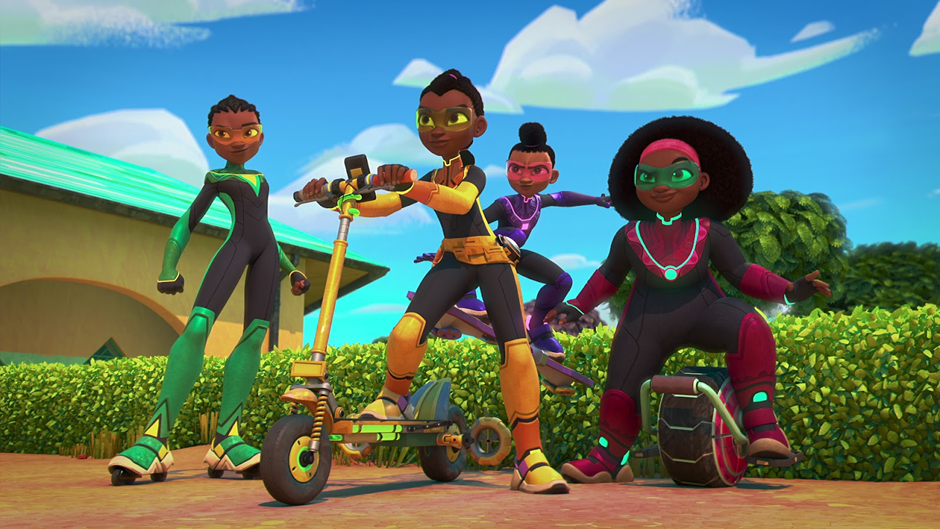
More superheroes join the summer slate with Netflix’s first original animated series from Africa, Supa Team 4, about four teen girls who happen to be undercover superheroes living in the neo-futuristic African city of Lusaka (July 20). For the baking connoisseurs, The Big Nailed It Baking Challenge is the latest installment in the celebrated Nailed It universe and will emerge fresh out of the oven later this summer.

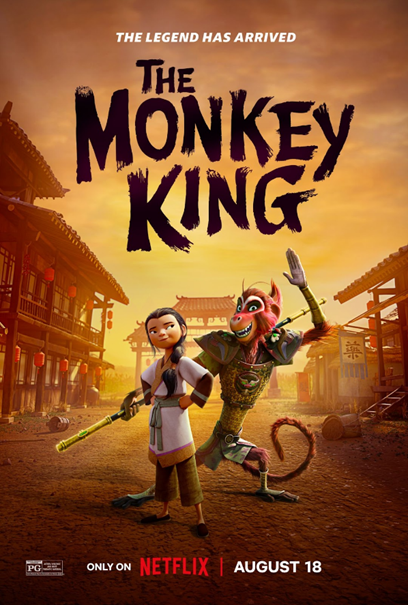
Summer was made for family movie nights, and Netflix has families covered with new films and limited series. The Monkey King (August 18) is inspired by an epic Chinese tale, translated into an action-packed comedy; You Are So Not Invited to My Bat Mitzvah (PG-13) (August 25) provides humor and hijinks in this coming-of-age movie perfect for young adults; and experience life’s extraordinary journeys with Our Planet II (June 14).

New and returning favorites for kids include LEGO Ninjago: Dragons Rising (June 1), and Sonic Prime (July 13), along with Gabby’s Dollhouse (August 7), and Not Quite Narwhal (June 19) for preschoolers.

Shimmy and shake into a summer mood with an original Netflix Family Summer jam, and keep the fun going anytime on NetflixFamily.com, where parents and caregivers can find fun & games, educational activities, and free printables for kids of all ages and stages featuring characters from their favorite films and series on Netflix.

Miraculous: Ladybug & Cat Noir, The Movie (Movie)

On July 28, Netflix will release the highly anticipated Miraculous: Ladybug & Cat Noir, The Movie. Directed by Jeremy Zag and based on the globally beloved Miraculous franchise, the film tells the story of Marinette, an ordinary teenager in Paris whose life takes a superhuman turn when she becomes Ladybug.

Bestowed with magical powers of creation, Ladybug must join forces with her counterpart, Cat Noir, to save her city from a new villain who unleashes chaos upon Paris. The movie features a talented cast including Cristina Vee Valenzuela, Bryce Papenbrook, and Keith Silverstein. It is a must-watch for fans of The Miraculous: Tales of Ladybug Cat Noir series, created by Thomas Astruc and Nathanael Bronn.
Supa Team 4 (Series)

Mark your calendars for July 20, as Supa Team 4, a captivating series, arrives on Netflix. Set in the neo-futuristic African city of Lusaka, the story follows four teenage girls who find themselves recruited by a retired secret agent determined to save the world, even on a tight budget.

In their journey from school girls tackling homework to undercover superheroes fending off supervillains, they’re transformed from a motley crew of friends into Supa Team 4! Created by Malenga Mulendema and featuring an impressive cast including Zowa Ngwira, Namisa Mdlalose, Kimani Arthur, Nancy Sekhokoane, Pamela Nomvete, and John MacMillan, this animated series promises an exciting blend of action and adventure.

Executive produced by Anthony Silverston, Mike Buckland, Tom van Waveren, Edward Galton, and Amy Keating Rogers, with co-executive producer Malenga Mulendema, and produced by Ciara Breslin, Cake Entertainment, and Triggerfish, Supa Team 4 is brought to life by the talented team at Superprod animation studio.

Sonic Prime (Series)

On July 13, Netflix will bring the action-packed adventures of Sonic the Hedgehog to your screens. In this thrilling story, the action-packed adventures of Sonic the Hedgehog go into overdrive when a run-in with Dr. Eggman results in a literal universe-shattering event.

Desperate to piece his prime reality back together and save his old friends, Sonic races through the Shatterverse, discovering strange worlds and enlisting new friends in an epic adventure of a lifetime!

Gabby’s Dollhouse (Series)

On August 7, join Gabby and her best pal Pandy Paws on Netflux as they meet fairies, find treasure, and go on wild adventures inside her super-special dollhouse.Get ready to play, sing along, and immerse yourself in the enchanting world of Gabby’s Dollhouse!
The Monkey King (Movie)

Prepare for an exhilarating adventure on August 18, as Netflix presents The Monkey King, a thrilling family comedy. Join the charismatic Monkey and his magical fighting Stick as they embark on an epic quest for victory over 100 demons, an eccentric Dragon King, and Monkey’s greatest foe of all —his own ego!

Along the way, a young village girl challenges his self-centered attitude and shows him that even the smallest pebble can have a big effect on the world.

Directed by Anthony Stacchi, executive produced by Stephen Chow, and produced by Peilin Chou, the film features an incredible cast including Jimmy O. Yang, Bowen Yang, Jolie Hoang-Rappaport, Jo Koy, Ron Yuan, Hoon Lee, Stephanie Hsu, Andrew Pang, Andrew Kishino, Jodi Long, James Sie, and BD Wong. 

The Big Nailed It Baking Challenge (Series)

Coming this summer, after seven seasons of eating A LOT of debatably edible treats, Nicole and Jacques are ready to up the ante and give a group of motivated but inexperienced bakers the opportunity of a lifetime. Over the course of 10 episodes, Nicole and Jacques will provide 10 bakers with every tool and resource they need to go from OH NO to PRO.

They’ll be coached by world-renowned pastry chefs and be given the training necessary for a professional baker to succeed. The stakes and bakes are higher than ever because only the best bakers will make it to the end and compete for a huge cash prize that can help make their baking dreams come true! 
READ ALSO

Tinubu Frowns On PDP’s Appeal For Tribunal’s Live Coverage

Tinubu Frowns On PDP's Appeal For Tribunal's Live Coverage

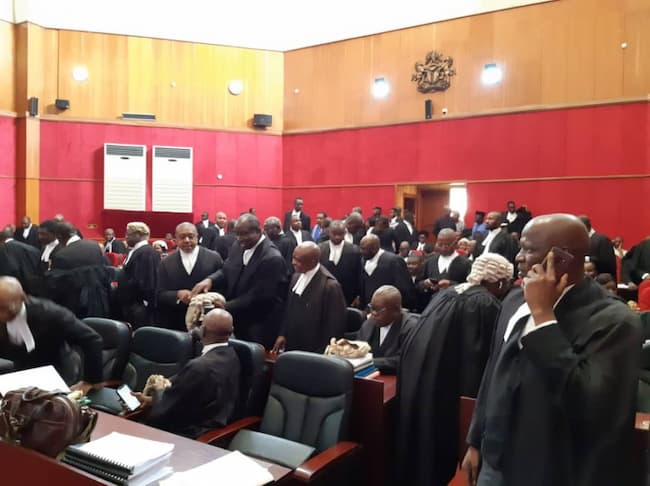
The President-elect, Bola Tinubu, is opposing the plea of the Peoples Democratic Party (PDP) presidential candidate, Atiku Abubakar, for a live broadcast of the election petition hearings.

Tinubu and Kashim Shettima, through their attorneys led by Wole Olanipekun, responded to the application on Wednesday, claiming that it is an abuse of the court process.

They petitioned the presidential election petition court to dismiss the application, claiming that the petitioners’ requested relief is not one that the court could award.

In addition to calling the application frivolous, they stated that the court was neither a rostrum, soapbox, stadium, theater, or venue for public entertainment.

They argued in the counter-affidavit that the application was related to the court’s policy formation, which is outside the competence of the Presidential Election Petitions Tribunal (PEPT) as it is currently configured.

They claimed that Atiku and his party neglected to call the court’s attention to the fact that practice directives for the exercise had been issued by the respective courts.

According to them, the motion also touched on the authority and jurisdiction conferred in the President of the Court of Appeal under the constitution, which the court as it currently stands cannot consider.

They argued that it was in the best interests of justice for the court to dismiss the petitioners’ application.

At best, they said, the application was “academic, very otiose, very unnecessary, very time-wasting, most unusual and most unexpected, especially from a group of petitioners who should be praying for the expeditious trial of their petition.”

READ ALSO

Anambra: US Releases Statement Over Attack On Employees

Anambra: US Releases Statement Over Attack On Employees

US Secretary of State Antony Blinken has provided details about the attack on US Mission staff in Anambra State on Tuesday. In a statement issued on Wednesday, Blinken confirmed the event, stating that unknown gunmen ambushed a convoy of two US government cars in the state’s Ogbaru Local Government Area (LGA).

The convoy was claimed to be carrying nine Nigerian people, including five US Mission to Nigeria officials and four Nigeria Police Force members.

The Nigerians were traveling ahead of a planned visit by US Mission staff to a US-funded flood relief project in Anambra, according to the American government official.

The statement read, “We do not yet know the motive for the attack, but we have no indications at this time that it was targeted against our Mission.

“The assailants killed at least four members of the convoy, and U.S. Mission personnel are working urgently with Nigerian counterparts to ascertain the location and condition of the members of the convoy who are unaccounted for.

“We condemn in the strongest terms this attack. We will work closely with our Nigerian law enforcement colleagues in seeking to bring those responsible to justice.

“The United States has no greater priority than the safety and security of our personnel. We express our heartfelt condolences to the families of those killed in the attack, and pledge to do everything possible to safely recover those who remain missing. We deeply value our relationship with our Locally Employed Staff and our partnership with Nigeria.

“The United States reaffirms its commitment to the people of Nigeria to assist in the fight against violence and insecurity,” the statement said.

READ ALSO

AfDB Approves $11.7m To Facilitate Access To Fertilizers For African Farmers

AfDB Approves $11.7m To Facilitate Access To Fertilizers For African Farmers

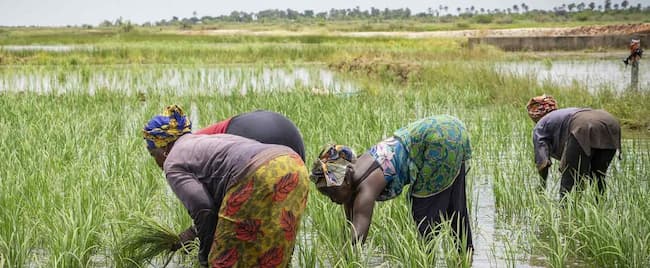
The Board of Directors of the African Development Bank (AfDB) on 16 May 2023 approved a $11.7 million budgetary allocation to the African Fertilizer Financing Mechanism (AFFM) for its 2023 operations.

Tuesday’s approval adds up to $16.4 million extended to the Facility to support its 2023 budget. It includes $4.7 million, which was carried over from the previous year.

The Board of Directors also validated AFFM’s 2023 program of activities: strengthening the fertilizer sector through access to finance, supporting the development of sustainable policy reforms to improve fertilizer production, trade and use, and facilitating access to inputs and technical assistance for smallholder farmers.

AFFM plans to continue implementing three commercial credit guarantee projects amounting to $8.3 million. The recipient countries are Zimbabwe ($4.3 million), Côte d’Ivoire ($2 million), and Ghana ($2 million). For 2023, it plans to implement trade credit guarantee schemes totaling $9.7 million in Tanzania, Uganda, Mozambique and Kenya.

Three more new projects could be launched in Senegal, Zambia and Ghana if the United States Agency for International Development (USAID) follows through on its $15 million commitment to the AFFM.

The 2023 projects will be implemented to support the second pillar of the Bank’s African Emergency Food Production Facility, which was launched to avert a looming food crisis in Africa following Russia’s invasion of Ukraine. In addition, AFFM will actively work with African countries and other key stakeholders to develop the national food and agriculture pacts that the continent’s leaders presented at the Feed Africa Summit in Dakar in January 2023.

The AFFM will facilitate smallholder farmers’ access to inputs and extension services through credit guarantee projects and capacity building for farmers and input distributors. Objectives: to ensure proper use of fertilizers, increase agricultural productivity and improve soil conditions.

AFFM will continue to work with the International Fertiliser Development Centre (IFDC) and the Alliance for a Green Revolution in Africa (AGRA) on initiatives to improve fertilizer production, trade and use launched in 2021. It will also conduct an in-depth analysis of fertilizer policy in at least ten African countries, which will map the current situation, identify gaps and prepare an action plan. The aim is to support policy orientations that will address the identified shortcomings.

Established by the African Union in Abuja in 2006, the African Fertiliser Financing Mechanism (AFFM) is a special fund that aims to improve agricultural productivity by providing the necessary financing to boost fertilizer use in Africa and achieve the 50 kilograms of nutrients per hectare target. It is hosted and managed by the African Development Bank. AFFM has a strategic plan for the 2022 – 2028 period.

In Africa, AFFM’s work is crucial in addressing food crises and various threats to food security caused by Russia’s war in Ukraine, climate change (drought, floods, soil depletion, etc.), conflict, locust infestation and disease.

Nigeria Imports $25 Billion Worth Of Oil And Gas – Analyst

Oil And Gas Firms' Borrowing From Banks Increases By 9.4%, Says CBN

Analysts said that Nigeria’s crude oil and gas import expenditures increased by more than 21% yearly over five years to over $25 billion in the fiscal year 2022, amid growing foreign exchange difficulties.

Rising import costs continue to be a major factor in Nigeria’s cash exodus. Low crude oil refining capability by local infrastructure as a result of years of government neglect causes oil import, which has shown to be detrimental to the amount of FX inflow.

Along with persistent currency market intervention, increasing oil and gas import costs have always been a drawback of Nigeria’s efforts to build up its foreign reserves. Nigeria is a significant exporter in Africa, but due to issues with output level, its foreign reserves remain below $40 billion.

In a market review, analysts at Afrinvest Limited attribute rising crude oil and gas imports to local refineries’ inefficiencies and other supply chain bottlenecks. The Nigerian government has been unable to solve the supply chain equation that reduces the country’s upside advantage as an oil exporting nation.

In its macroeconomic note, Afrinvest Limited analysts said they expect the federal government to reduce its import bills on fuel, thereby reducing FX pressures.

“Over the last five years, Nigeria’s crude oil and gas imports rose by a cumulative annual growth rate of 21.1% to $24.9 billion in 2022 due to inefficiencies of local refineries among other factors”, Afrinvest said in its macroeconomic note.

Oil production fell to 998,602 barrels per day (bpd), a 21.26 percent decline compared to March when output was 1,268,202 bpd, the Nigerian Upstream Petroleum Regulatory Commission (NUPRC) disclosed this in its latest crude oil and condensate production data for April 2023.

The volume of production is at its lowest point in the last seven months. In 2022, oil production fell below one million bpd in August and September owing to several issues, including oil theft.

NUPRC report shows that oil production decreased from 1.517 million bpd in March 2023 to 1.245 million bpd in April 2023, with the addition of condensate.

Speaking about the current oil output, Gbenga Komolafe, chief executive officer (CEO) of the NUPRC, on Wednesday, said oil production is currently about one million bpd below “its technically allowable capacity”.

Komolafe attributed the low oil production to a number of issues, including the energy transition’s impact on hydrocarbon funding, a lack of investments, and insecurity.

Oil production including condensates fell to a low of 1.1 mbpd in July 2022, averaging 1.5 mbpd for the full year, from 2.1 in 2019, due to oil theft, pipeline vandalism, ageing infrastructure, and low investment.

Production recovered to 1.6 million barrels per day (mbpd) in March, helped by a resumption of the Forcardos terminal and Trans-Niger pipeline, and a stepping-up of onshore surveillance to tackle theft.

Fitch forecasts a further increase to 1.75 mbpd in 2024, saying that there will be a marked increase in refining capacity in 2023 when the Dangote plant commences operations reducing import costs. Dangote Refinery is expected to come on stream with 0.65 mbpd capacity.

“Dangote refinery present major opportunity to block FX drain”, Afrinvest said in a report. The investment firm however added that the private infrastructure is short of being a silver bullet to all of Nigeria’s FX, energy, and revenue crises.

In 2022, non-oil export revenue came in at $5.6 billion, according to the Central Bank of Nigeria but crude oil export remains the country’s main source of revenue and foreign exchange earnings, analysts said.

In a report, Cowry Asset Managers said the decline in production will have a negative impact on the government’s finances. Nigeria’s daily crude oil production has averaged 1.21 million barrels per day (bpd) so far in 2023, despite the uncertainty and other forms of sabotage and vandalism that have befallen the sector.

In April, there were a number of attacks on oil pipelines, which resulted in a loss of production. Nembe Creek Trunk Line (NCTL) was attacked on April 1, 2023, and the Trans Niger Pipeline (TNP) was attacked on April 15, 2023.

These attacks resulted in the loss of about 200,000 barrels per day of production, analysts said, adding that a number of technical issues affected production in April, including problems with wells and equipment. Last month, Bonga field, which produces about 200,000 barrels per day, was shut down for maintenance in April.

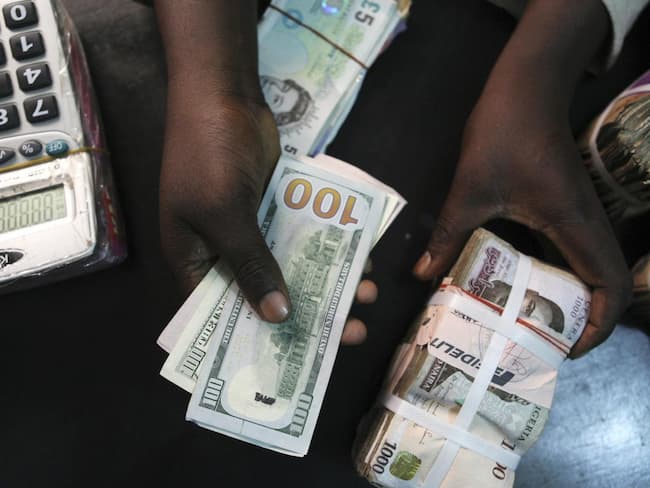
Naira Reaches N465.13 After Worsening Inflation Data

Dollar To Naira Exchange Rate For 5th Dec 2023

The Nigerian naira has been on a downward trend this week after keeping its composure in the face of the U.S. dollar’s supremacy at the official window, reaching a new low on Wednesday.

Nigeria’s weak local currency has driven market participants, local investors, and manufacturers to start hedging their exposure with foreign currency assets, which has increased demand for foreign-denominated assets. Negative inflation data signals caused the naira to weaken as market investors requested dollar supply due to the country’s FX shortage.

Due to an imbalance in FX supply and demand, the Naira lost value versus the dollar and traded for N465.13 in the window for investors and exporters. Market participants requested more foreign exchange payments than were readily accessible, which increased rates since the overall amount of transactions in dollars fell short of demand.

Comparing the most recent exchange rate print to the N464.67 it swapped for the dollar on Tuesday, there was a 0.10 percent reduction. On Tuesday, the open indicative rate reached a high of N463.79 to the dollar. Prior to it settling at N465.13, a spot exchange rate of N466.89 was the highest rate utilized for trade during the day.

Instantaneously, the spot exchange rate is established. During the course of the day’s trade, the Naira fell as low as N460 to the US dollar. At the official Investors’ and Exporters’ window, 267.04 million dollars worth of transactions were made.

Last Monday, the FX spot rate was changed to N466 per USD. The naira, however, strengthened before the inflation news. The statistics agency reported that in April, headline inflation increased by 18 basis points to 22.22%.

Analysts generally agree that the naira is trading above its fair value, but the Central Bank of Nigeria (CBN) continues to oppose devaluation.

The poverty index would increase as a result of a devaluation, which would also result in more unemployment and higher production costs for firms. Analysts told MarketForces Africa that the monetary authority is “between the devil and the deep blue sea” with regards to an official depreciation of the naira.

NGX Records N88bn Increase As Zenith, GTCO Rally

Stock Exchange Closes Trading Week With N30bn Gain

The Nigerian Exchange (NGX) increased by N88 billion in the middle of the week as gains in Nigerian Breweries and other companies combined with increased demand for shares of Tier-1 banks to drive up the banking index. Key performance metrics increase, and year-to-date gains increased despite a persistent rise on growth and value stocks on the regional stock exchange.

The All-Share Index (ASI), according to data from the Nigerian Exchange, increased by 161.53 basis points, or 0.31 percent, to close at 52,580.86 as opposed to 52,419.33 on Tuesday. The market’s positive territory was driven by ongoing stakes in Zenith Bank, Guaranty Trust Holding Company (GTCO), and FirstBank of Nigeria Holdings (FBNH).

As a result, the year-to-date (YTD) return increased to 2.59%. MRS saw the largest price increase, up 9.93% to settle at N37.10 per share.

Cornerstone Insurance increased by 9.47 percent to settle at 81k per share, while Nigerian Breweries gained 9.63 percent to close at N38.70. While Royal Exchange increased by 8.33 percent to end at 52k per share, FTNCocoa Processors increased by 8.82 percent to close at N37k.

Consolidated Hallmark Insurance, on the other hand, topped the losers’ table by 7.69% to settle at 60k per share. Following May & Baker, Sovereign Trust Insurance, with a 6.52 percent fall to close at 43k per share, and May & Baker with a 6.74 percent decline to close at N4.15.

Caverton Offshore Support Group fell by 4.76 percent to close at N1, while Transnational Corporation (Transcorp) lost 5.23% of its value to conclude at N2.90. Analysis of market activity revealed that trade turnover increased in comparison to the prior session, with the value of transactions rising by 16.24%.

In a total of 6,666 transactions, 680.80 million shares worth N7.89 billion were traded. With 254.05 million units exchanged, Fidelity Bank topped the volume chart, while GTCO topped the value one with transactions totaling N1.57 billion.

Across the sectors, activities were broadly positive. The Consumer Goods index rose by +1.1%, banking popped up by 1.0%. The Oil & Gas index tracked higher by +0.5%, with same gain seen in the Insurance sector (+0.5%). Meanwhile, the Industrial Goods (-0.1%) index declined.

Overall, the equities market capitalisation advanced by N88 billion or 0.31 per cent to close at N28.63 trillion from N28.542 trillion posted on Tuesday.

Manchester City Sets A Date With The UEFA Champions League Final

Manchester City defeated Real Madrid 4-0 at the Etihad Stadium to clinch a 5-1 semi-final aggregate triumph over the ousted European champions, and they will now play Inter Milan in the 2023 UEFA Champions League (UCL) final in Istanbul on June 10.

The winner of a draw between these two teams would advance to the grand finale for the third time in ten years. On the two previous times, Real prevailed, but City’s defeat to the Spanish powerhouse in this tournament last year left them with a particularly sour taste as two late goals from Rodrygo advanced the Galacticos. One year later, City wasted no time in exacting sweet retribution by promptly outplaying Real with their customary crisp passing and relentless running.

Due to City’s early domination, Erling Haaland, the uncontested Premier League scoring champion, was only stopped from scoring twice by two incredible Thibault Courtois saves. However, the unmatched reflexes of the Belgian goalie could only save his colleagues so many times before City ultimately broke the score after 120 seconds of Haaland’s second attempt. As sharp and dangerous as usual, Bernardo Silva expertly handled Kevin De Bruyne’s precise through pass to enthrall the home fans.

However, Real can never be counted out, as many passes towards City’s backline were just marginally overhit. And if Toni Kroos’ rasping effort from a distance had not been touched by Ederson even slightly, the ball may have nestled into the top corner instead of smashing against the crossbar. Before the end of the half, City was still clearly the superior team, and they increased their lead as the break drew near. Once again, Silva came through, heading an uncontested header into the top corner and giving Carlo Ancelotti’s men a difficult task to overcome.

David Alaba almost cut the lead in half in the 51st minute, forcing Ederson into another important save from a free-kick as Real’s chances of a fifth UCL victory in 10 editions continued to dwindle in front of their eyes. Although it appeared certain that the Norwegian sensation would eventually put himself on the scoreboard, Courtois quickly denied Haaland at the opposite end, signaling a momentary shift in strategy.

The last blow to the holders, meanwhile, came when Éder Milito sent Manuel Akanji’s flick on into his own net and Julián lvarez slid a shot past Courtois in stoppage time. In the end, City had an easy night. They have now won all 15 of their previous home European games, and they can now anticipate playing in their second UCL championship game in three seasons. A historic triple to equal the one their opponents renownly accomplished back in 1999 has never seemed closer thanks to the fact that they have the Premier League all but locked up and an F.A Cup final versus Manchester United remaining in front of them.

Food Scarcity In Nigeria: Causes, Consequences And Solutions

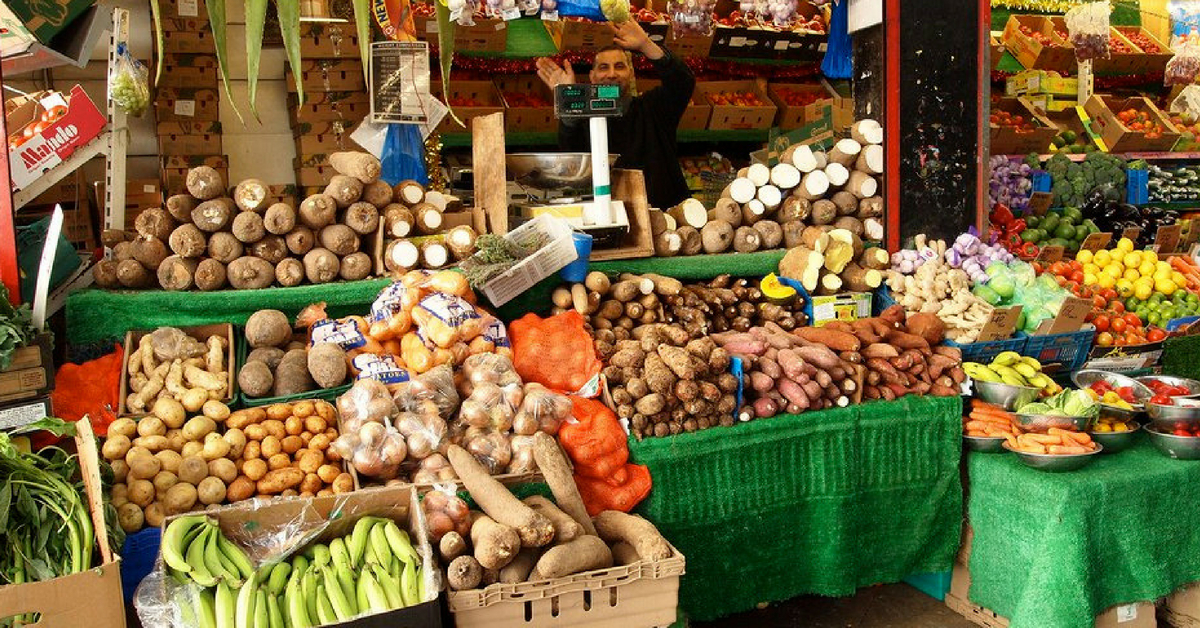
First Aquagrico Farms To Build Nigeria's Largest Farmer's Market

With its enormous population and abundant agricultural resources, Nigeria has long been referred to as the “Giant of Africa.” Nevertheless, despite its potential, the nation struggles with a recurring problem called “food scarcity” that jeopardizes the livelihoods and general well-being of millions of its residents.

The country faces considerable difficulties in providing food security for its rapidly expanding population despite being blessed with a large amount of cultivable land, a variety of climates, and a great agricultural past.

The goal of this article is to raise awareness about the challenges Nigeria experiences in ensuring food security for its citizens, as well as the repercussions for the general public, the underlying reasons of food scarcity, and innovative solutions to this pressing issue.

These are some of the primary factors contributing to food scarcity in Nigeria.

I. The graveness of the Problem: With an estimated 220 million people, Nigeria is the most populous nation in Africa. Unfortunately, a substantial section of the population has trouble getting enough wholesome meals.

Nigeria today experiences some of the greatest levels of food insecurity worldwide, according to the UN. The severity of the problem is exacerbated by rising food prices, climate change, political unpredictability, and economic difficulties.

2. Climate Change and Agriculture: A major amount of Nigeria’s workforce is employed in the agriculture sector, which is primarily reliant on rain-fed cultivation and thus extremely vulnerable to the negative effects of climate change. Crop production have been negatively impacted by erratic rainfall patterns, protracted droughts, and a rise in insect and disease prevalence.

Devastating floods are becoming common, which causes crop failure, livestock loss, and decreased agricultural productivity. These difficulties disproportionately affect farmers, particularly small-scale subsistence farmers, which lowers food output and increases food scarcity.

3. Poor Infrastructure and Post-Harvest Losses: Nigeria’s poor infrastructure worsens the issue of food scarcity. The inefficient distribution of food is hampered by a lack of storage facilities, transportation systems, and effective post-harvest management techniques. These factors also contribute to considerable losses of perishable commodities.

Farmers frequently experience difficulties getting their produce to markets on time, which causes spoilage and waste. For post-harvest losses to be reduced and a reliable food supply to be achieved, it is essential to address these infrastructure gaps. Additionally, farmers’ ability to increase yields and reduce post-harvest losses is constrained by the lack of contemporary agricultural methods, access to high-quality seeds, and insufficient training.

4. Conflict and insecurity: The ongoing hostilities, especially in northeastern Nigeria, have a terrible impact on food security. As a result of widespread violence, population migration, and farmland destruction, agricultural activities are disrupted, which lowers output and increases food scarcity. Armed organizations’ presence also makes it difficult to access vital agricultural supplies and endangers the livelihoods of farmers and their families.

5. Creative Approaches and Initiatives: Notwithstanding its difficulties, Nigeria is seeing the growth of creative approaches to address the country’s food shortage. Technology is being used to better post-harvest management, boost crop yields, and enhance agricultural practices.

Farmers are being equipped with information and resources thanks to mobile applications, weather forecasting systems, and market information platforms. Additionally, government programs like the Green Alternative and Anchor Borrowers’ Programme support small-scale farmers financially while promoting sustainable agriculture techniques.

6. The role of education and policy: Education is crucial in addressing Nigeria’s food shortage. The nation may increase agricultural productivity and decrease vulnerability to climate change by offering farmers training in climate-smart agriculture, effective water management, and contemporary farming methods. Furthermore, policies that prioritize agriculture, boost investment  and guarantee credit availability can foster an environment that supports farmers’ success and improves food security.


7. Land Division and Insufficient Land Use: The fragmentation of agricultural fields is the result of rapid population increase, urbanization, and conflicting land tenure systems. The potential for producing significant amounts of food has been constrained by this division, coupled with unsustainable land use practices and low uptake of automated farming.

8. Population Growth and Urbanization: With a projected 400 million people by 2050, Nigeria’s population puts pressure on the supply of resources and the distribution and production of food.

Consequences of Food Scarcity

1. Malnutrition and Health Consequences: Food scarcity immediately affects a person’s nutritional intake, which causes widespread hunger and its related health effects, including stunted growth, especially in vulnerable populations like children and pregnant women. Physical and cognitive development is hampered, diseases are made worse, and the population’s overall resilience is weakened by the inadequate availability of a variety of healthy foods.

2. Socioeconomic Instability: Food scarcity worsens poverty and socioeconomic inequality. Low wages and rising food prices together lead to a cycle of poverty that makes already vulnerable populations even more vulnerable. The turbulence may worsen the problems facing the country by fostering social unrest, migration, and political instability.

3. Security Challenges: Food insecurity, particularly in areas already dealing with security challenges, can fuel social unrest, violence, and migration.

Potential Solutions

1. Agriculture industry Diversification: Nigeria needs to stop relying so heavily on oil money and start putting more emphasis on the growth of its agriculture economy. Crop diversification, the promotion of high-value cash crops, and assistance for small-scale farmers can all increase output, increase food availability, and lessen the nation’s reliance on food imports.

Enhancing production and reducing the effects of climate change can be accomplished by promoting the use of precision agriculture, sustainable land management practices, and contemporary farming methods.

2. Climate-Resilient Farming Methods: Farmers’ resistance to the effects of climate change can be improved by investing in climate-smart farming practices like conservation agriculture, agroforestry, and water management systems. This entails using crop cultivars resistant to drought, effective irrigation techniques, and enhanced soil management techniques.

3. Investment in Infrastructure and Technology: Improving rural infrastructure, such as irrigation systems, storage facilities, rural electrification, and transportation networks, is necessary to reduce food loss and improve post-harvest management.

Advancement of digital technologies can also make it easier for farmers to reach markets and guarantee fair prices for their products. Examples of these are smartphone applications for agricultural information and e-commerce platforms for farmers.

4. Policy Reforms and Supportive Governance: The Nigerian government has to put a priority on food security by implementing helpful policies like land reforms, farmer access to credit, and strong social safety nets. The effectiveness and durability of initiatives can be improved by bolstering institutional structures, encouraging research and development, and developing public-private collaborations.

5. Investing funds into research and development: Supporting the Development of Climate-Resilient Crops by Prioritizing Research and Development. Agricultural research, innovation, and technology transfer can boost productivity of crops that are tolerant to climate change.

6. Improving Access to Insurance and Credit: Financial assistance and risk-reduction strategies suited to farmers’ requirements can encourage investment in agriculture and protect against losses.

7. Improving Market Linkages: Small-scale farmers can gain better access to markets and experience a decrease in post-harvest losses by utilizing productive supply chains, farmer cooperatives, and technological platforms.

In conclusion, the lack of food in Nigeria continues to be a complicated and diverse problem that is deeply connected to issues like climate change, infrastructural shortages, violence, and economic hardships that threaten the stability, growth, and development of the country. However, Nigeria has made encouraging strides in addressing this issue through creative approaches and political initiatives.

A multifaceted strategy covering sustainable agriculture, infrastructure development, financial support, market connections, and research and development is needed to address this issue. Nigeria can realize all of its agricultural potential and provide for the needs of its expanding population.

To overcome this urgent problem and create a future in which no Nigerian goes hungry, comprehensive plans must be put into place, and cooperation between the public and corporate sectors, civil society, and international partners must be encouraged. Nigeria may work to provide economic prosperity and food security.

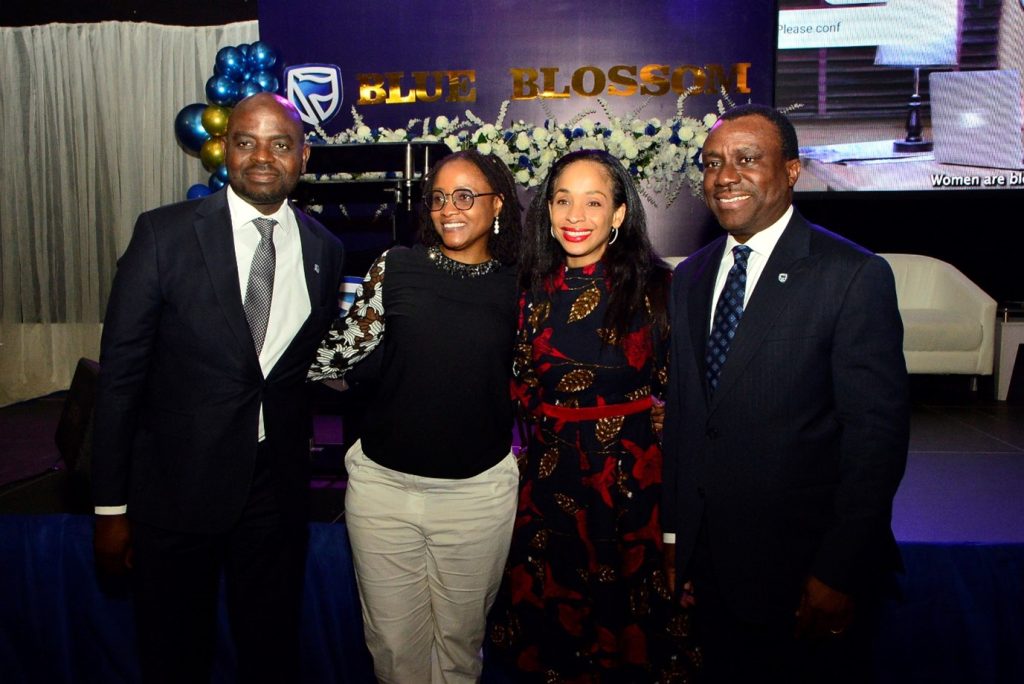
Stanbic IBTC Bank Announces 50% Concession On Loan Fees For Female Entrepreneurs In Blue Blossom Community

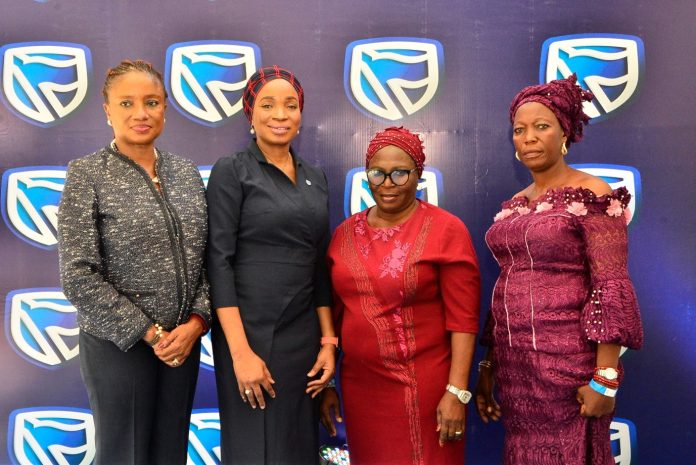
Stanbic IBTC Bank, a subsidiary of Stanbic IBTC Holdings, is set to empower female entrepreneurs in the Stanbic IBTC Blue Blossom Community by providing a 50% concession on loan fees for specific business loans (except SME Lit Loan) amongst other numerous benefits.

Stanbic IBTC Holdings designed the Blue Blossom Community for women who want to save more efficiently, diversify their investments, build sustainable businesses or careers, and protect their wealth and family while connecting with other women within the community.

Stanbic IBTC Bank has urged Nigerian women to take advantage of the resources available through the Blue Blossom Community. The platform offers training and capacity-building programs to help women entrepreneurs develop the necessary skills to succeed in business. Asides providing access to funding, the Blue Blossom Community also empowers women entrepreneurs through mentorship and networking opportunities.

Modupe Banjoko, Team Lead, Digital and Enablement, said the Blue Blossom community is beneficial to all women in business as it allows them access products from across the group, from loans to Investments to insurance, educational trusts, the full range of Stanbic IBTC’s financial solutions are readily available to women, particularly in terms of supporting them to build their businesses.

Banjoko further emphasised the importance of financial dignity, encouraging people to invest and save early while considering risk diversification to have a sustainable flow of income.

The Blue Blossom Community offers women free access to capacity-building sessions and special events. The diverse array of discounted financial and non-financial services available through the community allows women achieve their financial goals and improve their financial literacy. To join the community, all women above 18 years of age can visit https://www.stanbicibtc.com/nigeriaholdings/Stanbic-IBTC-Holdings/blue-blossom or send an email to blueblossom@stanbicibtc.com

With this initiative, Stanbic IBTC sets an example for other financial institutions to follow with regards to providing more support for women in business.

Miva Gets Online University License

Miva Achieved An Online University License

Sim Shagaya, the founder of uLesson, an edtech startup, has announced that he has been granted an online university license by the National Universities Commission (NUC). This is in line with uLesson’s plan to expand beyond K-12 into providing open-distance tertiary education.

The online university, now called Miva Open University, will commence offering degrees in computing and management courses such as: Computer Science, Software Engineering, Accounting, Economics, Business Management, Public Policy & Administration, Data Science and Cybersecurity before expanding to other fields.

Shagaya tweeted their entry into the university education market is timely due to the need for high-quality, reasonably priced postsecondary education is greater now than ever. He reaffirms their dedication to innovation, cost, efficacy, convenience, and accessibility as well.

In contrast to the K-12 approach, which only offers regionally relevant information to augment traditional school teachings, uLesson now known as Miva Open University is now delivering fully-licensed degrees. Shagaya has always been outspoken about his commitment to provide comprehensive education.

Shagaya, who has been in charge of uLesson since 2019, says that his goal is to make it the biggest platform for bringing together the best media, education, and technological resources to enhance educational outcomes in Africa. “In the years to come, I want to hear uLesson users talk about how we fundamentally changed their attitudes toward learning and motivated them to pursue endeavors that they otherwise would not have done,” he said.

Only around one in four Nigerians who apply to universities each year are accepted. For those who do, the university experience is marked by, among other things, out-of-date curricula, low teacher-to-student ratios, and subpar infrastructure facilities.

For young individuals who want to work in industries like technology, this has made it essential that they obtain their education from other sources, most frequently via online resources.

With more than two million app downloads, uLesson the largest and most well-funded edtech firm in the nation has been able to gain the confidence and support of parents and instructors. Shagaya wants to apply everything they’ve learned from working with K–12 students to higher education. By giving young Africans the necessary education and credentials, Miva Open University will satisfy the expanding need for talent with ICT capabilities such as data science, software engineering, and cybersecurity.

According to Shagaya, “The mission of Miva Open University is to provide accessible, high-quality education that supports our students’ success in the digital marketplace.”

AltSchool Africa, a Nigerian edtech company that offers credentials in computer science and engineering after a year of study, would be one of their rivals on this path. To expand its operations, it raised $1 million in 2022.

Stylish And Durable: Exploring The Design And Build Quality Of Nokia C21 Plus And Nokia G21

HMD Global, the home of Nokia phones, is offering price slash for two of its innovative devices, Nokia G21 and Nokia C21 Plus. This is to further the brand’s commitment to providing affordable devices of the highest quality. The Nokia G21 has been slashed from N108,100 to N91,400 for its 64GB and from N117,200 to N97,200 for its 128GB devices, while the Nokia C21 Plus was slashed from N82,000 to N69,900. The devices offer quality features, making them great options for anyone in the market for a new phone.

The Nokia G21 offers impressive features at its affordable price point, challenging other affordable smartphones in the market. One of the most notable features is its unrivalled battery life, which lasts up to three days, making it a standout feature in a market where consumers are often concerned about their phone’s battery life.

Additionally, the Nokia G21 offers three years of monthly security updates, twice as many as its competitors, ensuring users’ mobile technology is well-protected. The phone also features a brand-new design that is more ergonomic, made from tough polycarbonate and offers durability.

The Nokia G21’s 50MP triple-lens camera is designed to deliver beautiful detail even in low light. On the front, AI smarts ensure that evening selfies will have just the right amount of light and clarity. The phone’s improved refresh rate makes scrolling and typing even more fluid, and photos look smoother. For more information on the Nokia G21, click here.

The Nokia C21 Plus has impressive specifications perfect for users who value battery life, storage capacity, and camera quality. The device boasts a 5050 mAh battery capacity, which delivers a three-day battery life on a single charge. The 13MP dual camera with HDR technology captures stunning photos and memorable moments in detail, and the 6.5” HD+ display ensures that videos and photos can be viewed with incredible definition and clarity.

Additionally, privacy and security have been taken into consideration with this smartphone, as the device comes with two years of quarterly security updates as standard, and features fingerprint and AI face unlock technology for added convenience and privacy. For more information on the Nokia C21 Plus, click here.

Both the Nokia C21 Plus and Nokia G21 offer great options for anyone in the market for a new smartphone. The Nokia C21 Plus is designed for users who value battery life, storage capacity, and camera quality, while the Nokia G21 offers impressive features such as unrivalled battery life, improved performance, and twice as many security updates as its competition.

With both devices, Nokia aims to offer quality mobile technology accessible to everyone around the world, empowering people to feel good about keeping their smartphones for longer and combat the upgrade culture to reduce our carbon footprint.

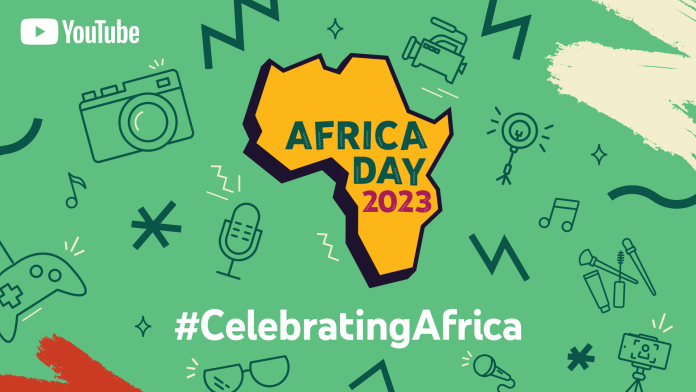
Google Celebrates Africa Day with Immersive Art, African Music and Stories

As Africa gears up for Africa Day, an event that marks the founding of the African Union and celebrates the continent’s quest for unity, Google is unveiling a range of programs and activities to celebrate Africa’s diverse cultural heritage and provide opportunities for people all over the world to experience and engage with the creativity and richness of Africa.

Among the programs is the addition of six new pocket galleries on Google Arts & Culture, curated by esteemed partners from Kenya, Nigeria, and South Africa, these pocket galleries offer an immersive experience of virtual exhibitions, providing a 360-degree view of artworks and artefacts, effectively allowing people to step into the heart of Africa’s cultural scene from wherever they are.

Partners include the Yemisi Shyllon Museum and Terra Kulture from Nigeria, the Mohamed Amin Foundation and National Museums of Kenya, and the University of Pretoria from South Africa. Each partner will present unique exhibitions that celebrate their respective regions, providing a diverse exploration of Africa’s rich cultural heritage.

In previous years, YouTube Music has held the Africa Day Concert, showcasing present and next-generation African music talents. This year, YouTube Music will unveil an AfricaDay playlist, featuring popular and trending songs from various African artists. This initiative will also involve the public, who will have the opportunity to submit their favourite African songs via YouTube Shorts for a chance for it to potentially feature on the playlist.”

The celebrations will also highlight African storytelling traditions through the “Stories and Storytellers of Africa” initiative on YouTube which will spotlight an extensive collection of African movies and series, celebrating the creators who bring these narratives to life. Alongside this, the “Showcase Your Africa” initiative will see YouTube partnering with content creators to share their perspectives on Africa, providing a glimpse into the continent’s diversity.

Speaking on these initiatives, Google Nigeria, Interim Lead, Olumide Balogun said, “Africa Day is a celebration of progress, unity, and the vibrant cultures that define the continent. We are excited that we can amplify these stories and experiences on our platforms. From exploring our rich artistic heritage through Google Arts & Culture, to dancing along to the #CelebrateAfrica playlist on YouTube Music, and engaging with compelling narratives on YouTube, we are happy to share and celebrate Africa’s culture with the world.”

For more information on the Africa Day commemoration program, visit Google’s official website or follow Google Africa’s Twitter account at @GoogleAfrica.

Chioma Afe Moves To Seplat Energy

Chioma Afe Moves To Seplat Energy

Chioma Yvonne Afe resumes as Director of External Affairs and Sustainability at leading Independent Energy business, Seplat Energy.

She is an accomplished strategic Senior Communications Executive and Business Leader. With a demonstrated record of success in developing and implementing high-impact communication strategies that drive business growth, enhance brand reputation and drive revenue growth. She is recognized as a self-motivated, passionate, dedicated, and proactive leader with a strong problem-solving mindset and an exceptional work ethic.

Throughout her career, she has specialized in unlocking the potential of brands and driving sustainable stakeholder engagement leveraging the power of communication in a compelling manner. Her expertise spans a diverse range of industries, including advertising, consulting, consumer goods, telecommunications, broadcast media and financial services where she has managed corporate and marketing communication campaigns for both established brands and large corporates.

In her most recent role as Group Head of Marketing and Communications at Access Bank, Chioma was a member of the executive team, as well as the Africa Leadership team responsible for corporate and retail communication teams in all Africa subsidiary markets. She is an influential and transformational leader known to galvanize high-performing cross-functional teams, which include external partners, towards a common objective.

Before joining Access Bank PLC, Chioma was the Head of Corporate Communications at Diamond Bank PLC. She has also worked in DSTV (MultiChoice Nigeria Ltd), Cadbury Mondeleez, Airtel, Coca-Cola Nigeria, British American Tobacco (BATN), Andersen and Tequila Nigeria Limited in various leadership and managerial capacities, both locally and across the African continent.

A lifelong learner, she has an MBA from the prestigious Imperial College Business School, London, a Diploma in Marketing from the Institute of Direct Marketing London and a Bachelor’s degree in English from the University of Port Harcourt. She is a Board Member of Women in Management, Business & Public Service (WIMBIZ) as well as a mentor in the WIMBOARD 2023 cohort, an EXCO member of the Advertisers Association of Nigeria and a member, National Institute of Marketing Nigeria.

She is married with four beautiful children.

Analysts Give Positive Review Of National Blockchain Policy

Analysts Give Positive Review Of National Blockchain Policy

The Federal Government’s recent approval of the national blockchain policy is a positive development for the country, as it could lead to the transformation of key sectors such as finance, health, education, security, and agriculture, analysts at CSL Stockbrokers have said.

The analysts, who stated this in a report, noted that the national blockchain policy aligned with the National Digital Economy Policy and Strategy (NDEPS), which was developed by the Federal Ministry of Communications and Digital Economy in line with the 7th Pillar of the NDEPS and focuses on digital society and emerging technologies.

According to the analysts, “blockchain technology has the potential to revolutionise various sectors, including finance, health, education, security, and agriculture, by providing decentralisation, cost-effectiveness, transparency, and reliability.”

Shedding light on the benefits of the technology, the analysts stated: “Blockchain is a distributed ledger technology that improves centralised-based solutions in different ways. It creates a platform for designing financial services that bridge many gaps in today’s virtual market system.

“While traditional databases track records for single entities only, blockchain connects a group of entities and allows for data to be synchronised across multiple, independent stakeholders.

“Blockchain usage is particularly alluring for small businesses. It provides them with an affordable and efficient avenue to make and receive payments, access investment and savings products, and build a credit history. Enabling greater access to this technology can foster Small and Medium-sized Enterprises (SMEs) growth, which in turn can enhance job creation and economic development.”

Dollar To Naira Exchange Rate Today (Wed. May 17, 2023)

Dollar To Naira Exchange Rate Today (Thur. July. 20, 2023)

Dollar to naira, on Wednesday, May 17, 2023, opened at (undisclosed) at the Investors & Exporters FX window ( I&E FX Window), where the currencies officially trade.

According to the data at the FMDQ Security Exchange where forex is traded officially, the dollar to naira exchange rate stood at (undisclosed).

This would mean that the Nigerian currency either gained or lose in value against the United States dollar, as the foreign exchange (forex) trading closed at N460.57 per $1 on Friday, May 12.

How much is the dollar to naira at the black market today?

Going by sources at the Bureau De Change (BDC) in Lagos, the dollar to naira last traded between ₦748 and ₦750 with an average of ₦749.00 in the black market in the state.

It is, however, pertinent to note that the Central Bank of Nigeria (CBN) does not recognise the parallel market (black market), as it has directed individuals who want to engage in forex to approach their respective banks.

Cash Crunch Led 39.96% Businesses To Lay Off Workers, Cut Working Hours – SBM

Cash Crunch Led 39.96% Businesses To Lay Off Workers, Cut Working Hours - SBM

A new research by SB Morgen (SBM) Intelligence revealed that around 36.96 percent of Nigerian businesses had to lay off employees or cut working hours to deal with the cash constraint caused by the currency devaluation strategy.

The research organization examined individuals and businesses across five of the country’s six geopolitical zones, excluding the north-east, in its report titled “Strapped: Impact of Cash Scarcity on Individuals and Businesses.”

According to the organization, the data in the paper is only as of April 6, 2023.

SBM Intelligence stated that the cash crunch made transportation and feeding more difficult, as transportation personnel were forced to use point of sale (PoS) terminals to facilitate payment for their passengers.

According to the research organization, majority of the business owners interviewed were negatively impacted by the cash scarcity, ranging from egg farmers who were stuck with their produce to rice sellers who had to lower their pricing to make sales.

76.09 percent of those polled claimed their business was significantly harmed, 17.39 percent said it was moderately impacted, and 6.52 percent said it was not affected at all, according to SBM Intelligence.

“Out of the 46 businesses interviewed, 36.96% had to lay off staff or reduce working hours to weather the cash shortage. About 41.30% did not have to make such adjustments,’ the report reads.

“However, when you remove those who said those issues did not apply to them, nearly half had to make staff cuts or reduce work hours. About 47.22% had to make staff or work-time changes, while 52.78% were resilient enough to stand the cash shortage without reducing staff strength or opening periods.”

According to SBM Intelligence, rather than force-feeding Nigerians with a policy, the Central Bank of Nigeria (CBN) should have pushed for a reduction in transaction failures and strengthened financial infrastructure integrity, while also taking the lead in engaging with regulators and private sector stakeholders to increase broadband penetration.

In response to the apex bank’s cashless strategy, the firm urged that its aims be linked with internet penetration, and incentives should be driven by the private sector rather than imposed by regulatory mandates.

“When transactions can be seamlessly done in rural and peri-urban areas, and mobile money operators can conveniently access enough cash to meet demand, rural residents will more readily take up digital channels,” the report further reads.

“Whether the consuming public continues to grow and maintain their bank deposits at levels seen pre-scarcity will represent the ultimate indication of how much institutional credibility the CBN retains.”

IBM Introduces New Technology

IBM

The IBM quantum-safe roadmap, a technology that consists of a comprehensive set of tools, capabilities, and methodologies coupled with extensive expertise for an end-to-end journey to make organizations secure, was recently revealed.

The ‘IBM Quantum Safe Technology’ was introduced by IBM during its yearly Think event, which is when this information was made public.

The Quantum-Safe Roadmap, according to IBM, aims to use technology to give industry the cybersecurity capabilities needed for this new era.

The National Institute of Standards and Technology announced four quantum-resistant algorithms for standardization in July of last year, which served as the world’s wake-up call to begin the quantum-safe transition. IBM claimed to have invented three of those algorithms.

According to the European Telecommunications Standards Institute, quantum-safe cryptography refers to efforts to find algorithms that are resistant to attacks by both classical and quantum computers, to maintain the security of information assets even after a large-scale quantum computer has been constructed.

The IBM z16 mainframe and IBM Tape storage technology are two examples of IBM equipment that has already begun to be made quantum-safe. But when it came to starting their own quantum-safe transitions, we learned that each of our clients had specific requirements.

“Crypto-agility in the increasingly fast-paced cybersecurity industry is our ultimate goal for clients. Crypto-agility, according to IBM, is the capacity to safeguard your systems from newly discovered flaws, adjust to meet new compliance standards, and respond to breaches in a way that maximizes resource effectiveness and reduces operational disturbance.

The company went on to say that it developed the IBM Quantum-Safe in response to the need for agility. This product consists of three key steps: discover (identify cryptography usage, analyze dependencies, and generate a cryptography bill of materials), observe (assess cryptography posture of compliance and vulnerabilities, and prioritize remediation based on risks), and transform (remediate and mitigate with built-in automation and crypto-agility).

In order to help clients become ready for the post-quantum era, an end-to-end solution with technology capabilities for each essential step, including IBM Quantum Safe Explorer, IBM Quantum Safe Advisor, and IBM Quantum Safe Remediator for the discover, observe, and transform stages, respectively, was developed.

“For the Discover stage, we developed IBM Quantum Safe Explorer to scan the source code and object code to surface all cryptographically relevant artifacts, pinpoint their locations, and uncover dependencies,” IBM noted.

New Payment System Introduced By Mastercard In Collaboration With FCMB

Mastercard Track

Master Card and Netplus have introduced a contactless payment solution in collaboration with First City Monument Bank that enables customers, retailers, and financial institutions to execute payments conveniently utilizing Tap on Phone.

Ebehijie Momoh, Country Manager and Area Business Head, West Africa at Mastercard, stated that the payment solution would promote trade in the nation during the introduction on Tuesday in Lagos.

He continued saying “We are excited to announce that First City Monument Bank and we have launched our novel solution in Nigeria. As a leader in the digital payments sector, we understand that we must bring about affordable solutions that benefit the entire economy and hasten the adoption of a cashless society for the benefit of all”.

This collaboration is a part of our mission to bringing together millions of Nigerians in a society where digital connectivity is a part of every day life, improving the quality of their existence.

Before completing any transaction, clients will provide a special 4-digit PIN for both authentication and authorisation, according to Divisional Head, Payment & Solutions FCMB, Frank Atat.

The purpose of this secure feature is to give an additional layer of defense against unauthorized use. The Nigeria Inter-Bank Settlement System (NIBSS) would serve as the central switch for seamless transaction processing, and the transaction flow will also adhere to the current Point-of-Sale (POS) rails, the speaker added.

The new payment method, he said, would enable users to make contactless payments swiftly and easily without having to carry real cash because it would eliminate direct interaction with a device at the point of sale.

Furthermore, the Monument Bank reaffirmed that this solution, also known as Soft POS, is a “simple, convenient, and economically sound digital payment system that fulfills the needs of merchants. Smart devices are converted into payment-acceptance devices by the solution.

Satisfy Your Taste Buds This May With Domino’s Awoof Price Slash

Satisfy Your Taste Buds This May With Domino’s Awoof Price Slash

You can never say you’ve seen it all, especially about your number one Pizza brand, Domino’s Pizza. In May, there is something special just for you.

In our usual way of making sure you enjoy a guilt-free delicious Pizza, we bring the sweetness just to complete your amazing flavourful experience with a month filled with flavor.


Looking for a location to make your month even more special? Then your best bet is Domino’s Pizza. With services and a Confam menu that guarantee both value for your money and your best indulgent experience. Domino’s Pizza with a mindset to always satisfy its customers has come again with offers and deals that you simply cannot let go of.

We are making your May even more colour and exciting with “Awoof Price Slash” for a week! With this irresistible offer, you get any Medium Chicken pie or BBQ Chicken or Pepperoni from N2900. Don’t dull, be ready to enjoy yourself to the fullest this week. Enjoy a whole four-day price slash from Monday, May 15 th – Thursday, May 18 th .


Meanwhile, hurry to enjoy More with LESS with our ONLINE ONLY Promo this week!

Have it delivered in 20 minutes guaranteed, or you get a FREE medium pizza voucher!! Available in ALL branches, nationwide! All you have to do is call 090-8888-9999 to have yours DELIVERED TO YOU IN 20MINS, WITH ZERO DELIVERY FEE!


To check up on other amazing deals visit the official Domino’s Pizza Nigeria website www.dominos.ng and place your order and have it delivered to you in 20mins or you get a FREE MEDIUM CLASSIC PIZZA VOUCHER.

BizWatchNigeria.Ng
Privacy Overview

This website uses cookies so that we can provide you with the best user experience possible. Cookie information is stored in your browser and performs functions such as recognising you when you return to our website and helping our team to understand which sections of the website you find most interesting and useful.