Master Card and Netplus have introduced a contactless payment solution in collaboration with First City Monument Bank that enables customers, retailers, and financial institutions to execute payments conveniently utilizing Tap on Phone.
Ebehijie Momoh, Country Manager and Area Business Head, West Africa at Mastercard, stated that the payment solution would promote trade in the nation during the introduction on Tuesday in Lagos.
He continued saying “We are excited to announce that First City Monument Bank and we have launched our novel solution in Nigeria. As a leader in the digital payments sector, we understand that we must bring about affordable solutions that benefit the entire economy and hasten the adoption of a cashless society for the benefit of all”.
This collaboration is a part of our mission to bringing together millions of Nigerians in a society where digital connectivity is a part of every day life, improving the quality of their existence.
Before completing any transaction, clients will provide a special 4-digit PIN for both authentication and authorisation, according to Divisional Head, Payment & Solutions FCMB, Frank Atat.
The purpose of this secure feature is to give an additional layer of defense against unauthorized use. The Nigeria Inter-Bank Settlement System (NIBSS) would serve as the central switch for seamless transaction processing, and the transaction flow will also adhere to the current Point-of-Sale (POS) rails, the speaker added.
The new payment method, he said, would enable users to make contactless payments swiftly and easily without having to carry real cash because it would eliminate direct interaction with a device at the point of sale.
Furthermore, the Monument Bank reaffirmed that this solution, also known as Soft POS, is a “simple, convenient, and economically sound digital payment system that fulfills the needs of merchants. Smart devices are converted into payment-acceptance devices by the solution.
You can never say you’ve seen it all, especially about your number one Pizza brand, Domino’s Pizza. In May, there is something special just for you.
In our usual way of making sure you enjoy a guilt-free delicious Pizza, we bring the sweetness just to complete your amazing flavourful experience with a month filled with flavor.
Looking for a location to make your month even more special? Then your best bet is Domino’s Pizza. With services and a Confam menu that guarantee both value for your money and your best indulgent experience. Domino’s Pizza with a mindset to always satisfy its customers has come again with offers and deals that you simply cannot let go of.
We are making your May even more colour and exciting with “Awoof Price Slash” for a week! With this irresistible offer, you get any Medium Chicken pie or BBQ Chicken or Pepperoni from N2900. Don’t dull, be ready to enjoy yourself to the fullest this week. Enjoy a whole four-day price slash from Monday, May 15 th – Thursday, May 18 th .
Meanwhile, hurry to enjoy More with LESS with our ONLINE ONLY Promo this week!
Have it delivered in 20 minutes guaranteed, or you get a FREE medium pizza voucher!! Available in ALL branches, nationwide! All you have to do is call 090-8888-9999 to have yours DELIVERED TO YOU IN 20MINS, WITH ZERO DELIVERY FEE!
To check up on other amazing deals visit the official Domino’s Pizza Nigeria website www.dominos.ng and place your order and have it delivered to you in 20mins or you get a FREE MEDIUM CLASSIC PIZZA VOUCHER.
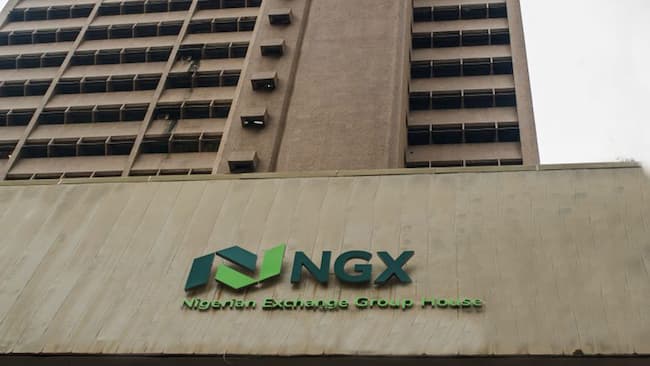
Following a sharp increase in headline inflation, there was intense bargain hunting, which led to a substantial gain of more than N102 billion in the stocks division of the Nigerian Exchange (NGX).
Investors in equities responded to the rising inflation rate more quickly as the need to protect against exposure to naira assets dominated conversations on the Broadstreet.
The bullish run increased important performance markers. According to market statistics, the NGX All share index increased significantly while the year-to-date return skyrocketed.
According to information from the local stock exchange, the return increased slightly to +2.28% while investor wealth increased by 102 billion yen. The All-Share Index jumped 188.04 basis points, or +0.36%, to finish the day at 52,419.33 points.
The overall volume traded for the day decreased by -7.91%, but the total value exchanged for the day increased by +21.25%, according to stockbrokers, who noted that market activity was mixed.
Investors were informed by Atlass Portfolios Limited in a market brief that 6.143 trades totaling about 576.85 million units valued at $6,789.55 million had been completed.
With 16.35% of the total volume of transactions, Tier 1 lender UBA had the most actively traded stock.
Following the Pan African bank in the top 5 on the volume chart were TRANSCORP (14.98%), ACCESSCORP (10.82%), ZENITHBANK (9.95%), and FBNH (8.22%).
With 20.68% of the total value of trades on the market, ZENITHBANK was the most actively traded stock at the time.
With a price increase of 9.97 percent, NB headed the list of advancers, followed by FTNCOCOA (9.68%), SOVRENINS (9.52%), CORNERST (+8.82%), TRANSCORP (+7.75%), and twenty-one other stocks.
There were 19 declining equities, with CWG being the biggest loss with a price decline of -9.63% to close at $1.69. Price declines were also seen for COURTVILLE (-6.52%), ARDOVA (-6.06%), GLAXOSMITH (-4.41%), and ROYALEX (-4.00%).
Trading data from the local exchange reveals that sector performance concluded positively while the market breadth closed with 26 gainers and 19 losers.
Four of the five major market sectors were up, led by the Insurance sector (+3.19%), followed by the Banking sector (+1.10%), the Consumer goods sector (+1.10%), and the Industrial sector (+0.06%).
The Oil & Gas sector dropped by -0.72%. Overall, the equities market capitalisation advanced by ₦102.38 billion, representing a growth of +0.36% to close at ₦28,542.64 trillion from ₦28,440.26 trillion the previous day.
As bear pressure increases, the Nigerian naira has passed a new threshold. The rate of exchange, which closed yesterday at N464 at the window for investors and exporters, was printed at N463.47 per US dollar in the afternoon.
The imbalance between increasing demand and lesser supply for foreign currency drove the rate to a level unfavorable to local producers. And the currency rate at the National Autonomous Foreign currency Fixing (NAFEX) dropped to N465.
Naira fell on all FX transactions as analysts predicted poor near-term performance.The FX rate is projected to cross N500 in 2023 without suitable reforms that drive foreign inflows into the Nigerian economy. Like local counterparts, a slew of foreign interests maintains the stance that Naira is overvalued in the official window.
The Federal Government’s main market bond auction sales to investors in the local debt capital market brought in more than N368 billion for Nigeria’s Debt Management Office.
The agency pushed higher as investors developed a combination of sentiment in front of the May 29 handover and growing inflation rate, in contrast to an original offer of instruments valued at N360 billion when the subscription was launched.
For the maturities of February 2028, April 2032, and January 2042, the subscription levels were modest. However, the oversubscription for the Mar-2050 bond papers was staggering (3.8x). Investors were informed by TrustBanc Capital that the stop yield on the Mar-50 maturity remained at 15.8%, while the stop yields on the Feb 2028 and Apr-32 maturities increased by 10bps to 14.1% and 14.9%, respectively.
The Jan-2042 offer, meanwhile, had a higher allocation of 15.69%, up 29 basis points. The FGN Bond market started on Monday with little activity as local dealers at the secondary market turned their focus to the auction as anticipated.
At the Primary Market Auction, market participants, asset managers, pension fund managers, and other authorized dealers submitted their bids. As a result, dealers informed investors that the value of standard FGN bonds was basically unchanged for the majority of maturities. While inflation accelerated, the secondary market’s average yield stayed the same at 14.00%.
The yields on the FGN Bonds for 10 years, 15 years, 20 years, and 30 years were constant at 12.72%, 14.96%, 15.23%, and 15.83%, respectively. As the naira declined further, the Eurobond segment opened on a mixed note, with bids at the near end of the benchmark curve submerging offers at the mid and long ends. The average secondary market yield contracted to 13.15%.
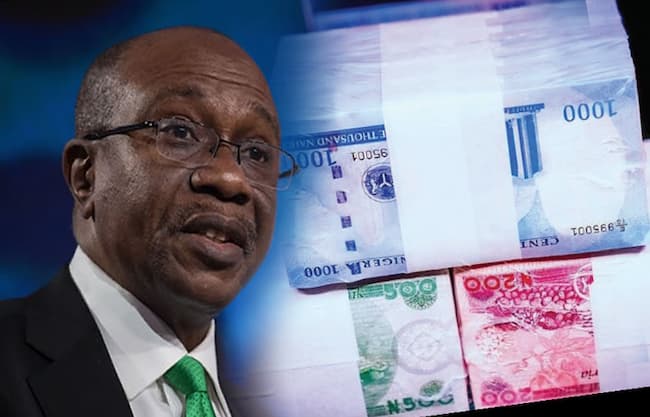
After failing to address Nigeria’s persistent inflation rate, the Central Bank of Nigeria’s (CBN) monetary policy council may decide to take a step back and reconsider its decision to raise benchmark interest rates in a growth-starved economy.
With headline inflation exceeding the Central Bank of Nigeria’s (CBN) single-digit objective by a record amount, it is clear that the policy committee ignored the investment banking firm’s warning and pursued shadow policies. The benchmark interest rate has increased significantly since May 2022, rising from its previous level of 11.5% to a solid 6.5%. Analyst predictions show that headline inflation is still gallivanting and has a troubling future.
According to the most recent statistics office data, despite verified failures in measures to combat inflation, the consumer price index deteriorated to 0.18% in April as the inflation rate printed at 22.22%. In April, headline inflation increased for the fourth week in a row, reaching 22.22% as long-standing inflationary factors strengthened their hold, according to PAC Capital Limited.
According to experts’ interpretation of data from the National Bureau of Statistics, the headline inflation rate for April 2023 increased by 0.18% points from March 2023. Similar to this, the headline inflation rate was 5.40% points higher year over year than the 16.82% rate registered in April 2022.
“This shows that the headline inflation rate on a year-on-year basis increased in April 2023 when compared to the same month in the preceding year (i.e. April 2022)”, PAC Capital stated.
Looking at the leading drivers of the general increase in prices in April, Food & Non-Alcoholic Beverages (11.5%), Housing Water, Electricity, Gas & Other Fuel (3.72%), Clothing & Footwear (1.70%), Transport (1.45%).
On a month-on-month basis, the All-Items Index in April 2023 was 1.91%, which was 0.05% points higher than the rate recorded in March 2023 (1.86%). This means that in April 2023, on average, the general price level was 0.05% higher relative to March 2023.
The urban inflation rate in April 2023 was 23.39% on a year-on-year basis, this was 6.05% points higher compared to the 17.35% recorded in April 2022. On a month-on-month basis, the urban inflation rate was 2.05% in April 2023, this was 0.05% points higher compared to March 2023 (2.00%).
The rural inflation rate in April 2023 was 21.14% on a year-on-year basis; this was 4.82% points higher compared to the 16.32% recorded in April 2022. On a month-on-month basis, the rural inflation rate in April 2023 was 1.78%, up slightly by 0.06% points compared to March 2023 (1.72%).
The corresponding twelve months average for the rural inflation rate in April 2023 was 20.18%. This was 4.27% points higher compared to the 15.91% recorded in April 2022. The food inflation rate in April 2023 was 24.61% on a year-on-year basis, which was 6.24% points higher compared to the rate recorded in April 2022 (18.37%).
The rise in food inflation on a year-on-year basis was caused by increases in prices of Oil and fat, Bread and cereals, Fish, Potatoes, Yam and other tubers, Fruits, Meat, Vegetable, and Spirits. On a month-on-month basis, the food inflation rate in April 2023 was 2.13%, this was 0.06% points higher compared to the rate recorded in March 2023 (2.07%).
Chef Sunny stood by Hilda Baci’s side, giving her the encouragement and support she required to break the Guinness World Record for the longest individual cooking marathon.
Chef Sunny was in the kitchen with Hilda from the beginning, and his importance in her achievement cannot be exaggerated, even if many have acknowledged the efforts of others from outside the kitchen who turned out to lend their support. Genuine human connections are the cornerstone of fulfillment and pleasure. Strong bonds, like the one between Chef Sunny and Hilda Baci, may give comfort and support, and a strong sense of community is essential for living a fulfilling life.
This is demonstrated by the friendship between Hilda Baci and Chef Sunny, which has given Hilda courage throughout her record-breaking quest. The philosopher Martin Buber highlighted the value of connections in human life. He thought that those who lack these relationships are losing out on a basic aspect of what it is to be human and that true interactions with others are necessary for personal progress.
Hilda has relied on Chef Sunny as a rock throughout her trip, and his support has enabled her to overcome the mental and physical strain of the culinary marathon. The accomplishment of Hilda Baci’s cooking marathon for the Guinness World Record is proof of the value of having healthy, encouraging connections in our life.
Although Hilda deserves all the praise for her remarkable accomplishment, we also need to acknowledge the contribution of Chef Sunny, the story’s unsung hero. He has been Hilda’s pillar of support and strength in the kitchen, and his contributions to her accomplishments cannot be disregarded.
The commitment Chef Sunny has to his profession and to Hilda’s achievement serves as a reminder of the value of real connections in our quest for fulfillment and happiness.
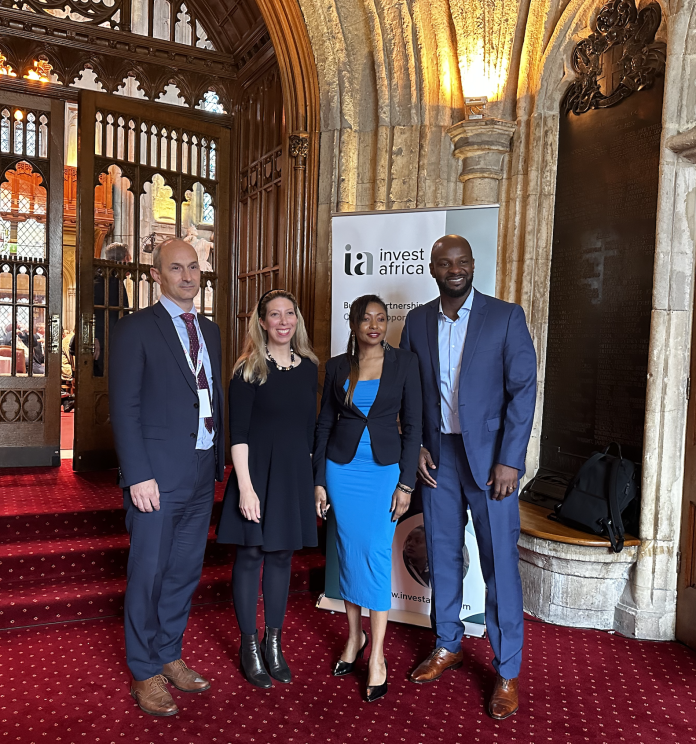
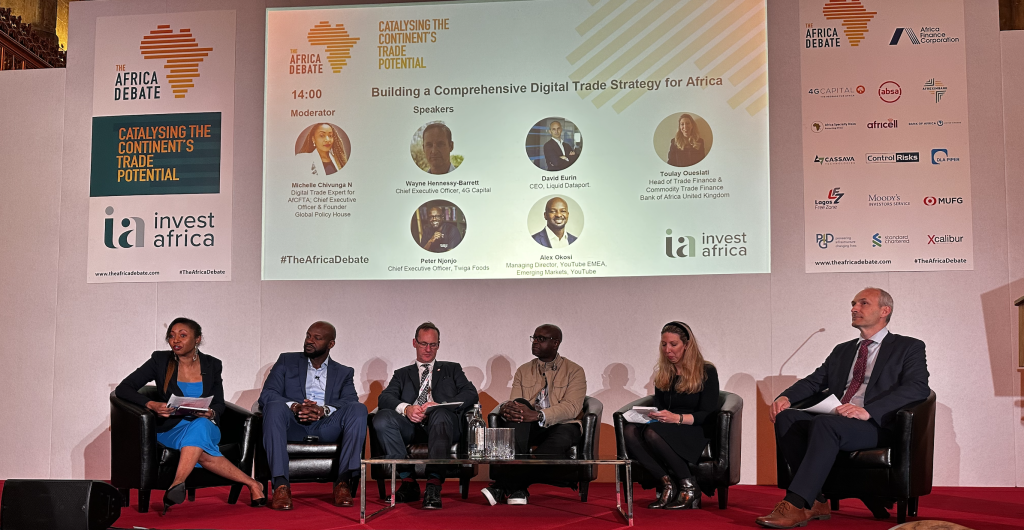
YouTube’s Managing Director, Emerging Markets, EMEA, Alex Okosi, was among the key speakers at the Africa Debate 2023, which took place on Thursday, May 11, 2023, at the Guildhall in London.
Okosi’s session, titled “Building a Comprehensive Digital Trade Strategy for Africa,” highlighted the challenges facing Africa in terms of digital infrastructure despite advancements in digital trade and e-commerce. He debated the best path forward for a digital trade strategy, with a focus on the 7th protocol of the African Continental Free Trade Area (AfCFTA) on e-commerce.
Joining Okosi on the panel were Michelle Chivunga, a Digital Trade Expert for AfCFTA and Chief Executive Officer & Founder of Global Policy House, who moderated the session, as well as Wayne Hennessy-Barrett, Chief Executive Officer, 4G Capital; Peter Njonjo, Chief Executive Officer, Twiga Foods; Toulay Oueslati, Head of Trade Finance & Commodity Trade Finance, Bank of Africa United Kingdom and Hardy Pemhiwa, Chief Executive Officer & Chairman, Cassava Technologies.
Organized by Invest Africa, a leading business and investment platform with over sixty years of experience on the continent, and in partnership with Africa Finance Corporation, the event was in its 9th year and focused on Africa’s trade profile through a comprehensive programme of talks, discussions, and networking opportunities.
“I believe that digital trade has the potential to transform Africa’s economy and improve trade relations with the rest of the world. However, to achieve this goal, we need to address the challenges of infrastructure development, regulatory frameworks, and digital skills training,” Okosi said.
The panel discussion explored the future of African trade and how the private sector can best support and prepare for a more integrated and competitive African trade environment.
“Collaboration between governments, businesses, and financial institutions is crucial in creating an enabling environment for digital trade. This includes developing regulatory frameworks, financing solutions, and digital infrastructure,” Okosi added.
Okosi is a highly experienced television, content, and tech executive with over 25 years of experience building successful businesses and brands globally. He has a track record of identifying and scaling new business opportunities, generating multi-million-dollar revenue streams, and delivering profitable growth.
Currently serving as Managing Director, Emerging Markets, YouTube EMEA, Okosi has been instrumental in driving the platform’s growth across key verticals, including music, gaming, TV/film, kids & family, news, and sports. In 2022, Okosi was named one of the UK Powerlist’s 100 most influential people of black heritage for the second year in a row.
Airtel Africa, a leading provider of telecommunications and mobile money services, has launched a new Africa-wide brand campaign focused on building a deeper emotional connection with young people, including Nigeria’s globally acclaimed productive generation.
The campaign includes a new strapline for Airtel: ‘A Reason to Imagine’. It is driven by the insight that in Africa, imagination is the only qualification that matters and showcases Airtel Africa’s role in harnessing this potential by delivering relevant solutions to consumers that enhance digital and financial inclusion.
The ‘A Reason to Imagine’ campaign highlights the status of Airtel as an enabler of young people’s dreams and ambitions, whatever these might be. To this end, the campaign seeks to celebrate the energy, creativity, and innovation of Nigerian youth.
Speaking at the launch, Airtel Nigeria’s Chief Executive Officer, Carl Cruz, noted that “Africa’s young people are now, more than ever, owning their passions boldly, chasing their dreams with all their heart, and living life on their terms. At Airtel, we see this growth as a beautiful thing.
“This is why our new brand purpose represents our commitment to the future. It is about youth, about excitement, about fun, and most of all, about imagination,” he added.
Airtel Africa’s Group Chief Commercial Officer, Anthony Shiner, added: “It’s a well-understood fact that youth are central to achieving Africa’s potential. More than 60% of Africa’s population is under the age of 25, and empowering this new generation is transformative for the future of the continent.
“Through this campaign, we are reaffirming Airtel Africa’s commitment to advancing the progress of Africa’s young people by providing the connectivity to turn every situation into an opportunity.”
The ‘Reason to Imagine’ brand campaign is Airtel Africa’s most ambitious yet. It comprises a series of television commercials and a combination of market-specific print, online, outdoor, and mobile creative executions.
The current title sponsorship of The Voice Africa is an example of how Airtel Africa is giving the youth a reason to imagine by partnering with The Voice to bring the show to the continent. The Voice Africa showcases exceptional African musical talent in a show that also features a high-profile panel of coaches and TV hosts. One of the 100 selected talents will eventually be crowned ‘The Voice Africa’ in a live show that is currently airing on free-to-air TV stations across the continent and Airtel TV. This is one of the initiatives that Airtel Africa has invested in to promote youthful talents and expertise in the education, sports, and innovation sectors.
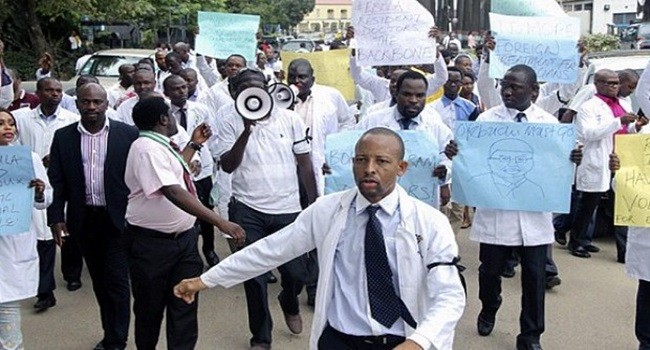
The Nigerian Association of Resident Doctors (NARD) alleges the Federal Government (FG) neglected its two-week deadline, and the group has vowed to strike if the FG does not meet its demands.
NARD’s demands
Some of the demands include massive recruitment of clinical staff in hospitals; immediate infrastructure development in hospitals and an allocation of at least 15% of budgetary provisions to health; immediate payment of the 2023 Medical Residency Training Fund (MRTF); and an immediate increase in the consolidated medical salary structure (CONMESS) to the tune of 200% of doctors’ gross salary.
During a press conference on Tuesday, NARD President Innocent Orji stated that the government did not contact out or make any substantial moves while the ultimatum was in effect.
He stated that the National Executive Council (NEC) of the organisation views the development as embarrassing for the country.
“NEC frowned at this development and wondered how the government could claim to have the interest of the Nigerian citizens at heart and still neglect such a well-publicised ultimatum,” he said.
The NARD president urged the federal government to resolve the issues raised before the next administration takes office.
Further industrial harmony “cannot be guaranteed after the warning strike if the issues are not resolved,” he warned.
“We had to calm tempers down. Many were asking for an indefinite strike but we considered the incoming government,” he said.
“We are essential service providers on paper but the government is not treating us that way.
“Most of the issues we raised can be addressed in days. If they address some in days and start negotiations, our members will have no cause to strike. We’ll meet again next week to review the situation.”
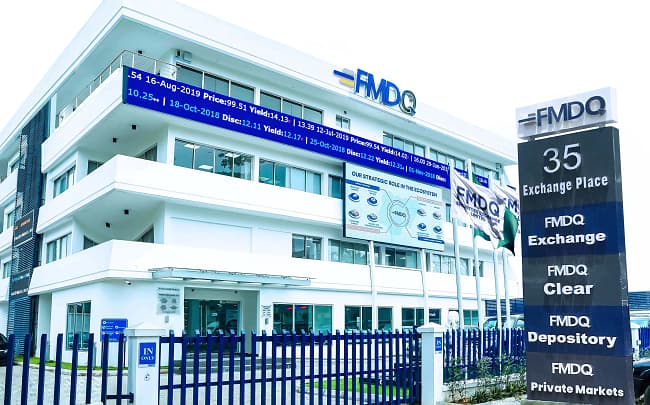
Committed to the continuous development of the Nigerian financial markets, in collaboration with market stakeholders, FMDQ Securities Exchange Limited (“FMDQ Exchange” or the “Exchange”), a wholly owned subsidiary of FMDQ Group, has through its Board Listings, Markets and Technology Committee, approved the registration of the Hartleys Supermarket & Stores Limited ₦5.00 billion Commercial Paper (“CP”) Programme and quotation of the ₦0.62 billion Series 1 CP under its ₦5.00 billion CP Issuance Programme on its platform.
Hartleys Supermarket & Store Limited (the “Issuer”) is a world-class brand that is driven by the commitment to deliver the ultimate shopping experience to its customers by offering a wide variety of the freshest and highest quality products at competitive prices, through exceptional customer service, across its various store locations.
The quotation of the Series 1 CP, sponsored by United Capital PLC – a Registration Member (Quotations) of FMDQ Exchange, strategically positions the Issuer to raise finance for its general corporate purposes from the Nigerian debt markets. Through this quotation, the Issuer will not only benefit from the Exchange’s robust platform but also gain access to a wide range of qualified institutional investors.
The registration of the Hartleys Supermarket & Stores Limited CP Programme and the subsequent quotation of its Series 1 CP, validates its conscious drive to support the goals of corporate businesses and to deepen the Nigerian debt markets by steadfastly availing its efficient platform for the registration, listing and quotation of debt securities.
As an Exchange positioned to bring about revolutionary changes in the Nigerian debt markets, FMDQ Exchange will continue to provide a dynamic and innovative platform for capital formation, offering institutions the support required to positively impact their sectors and the overall economy.
FMDQ Group is Africa’s first vertically integrated financial market infrastructure (“FMI”) group, strategically positioned to provide registration, listing, quotation and noting services; integrated trading, clearing & central counterparty, settlement, and risk management for financial market transactions; depository of securities, as well as data and information services, across the debt capital, foreign exchange, derivatives and equity markets, through its wholly owned subsidiaries – FMDQ Exchange, FMDQ Clear Limited, FMDQ Depository Limited and FMDQ Private Markets Limited.
As a sustainability-focused FMI group, FMDQ Group, through FMDQ Exchange, operates Africa’s premier Green Exchange – FMDQ Green Exchange – positioned to lead the transition towards a sustainable future.
An official declaration about Nigerian chef Hilda Bassey Effiong, also known as Hilda Baci, has been made public by Guinness World Records.
The Akwa Ibom native Baci broke the record for the longest cooking session by a single person, formerly held by Indian chef Lata Tondon, who finished the assignment in Rewa in 2019 in 87 hours, 45 minutes, and 00 seconds.
“A Nigerian chef has been cooking up a storm in her kitchen in the hopes of landing a world record.
“Hilda Bassey, known on social media as Hilda Baci, has been dominating headlines around the world ever since she launched her cooking marathon.
“She’s hoping to snap up the record title for longest cooking marathon (individual) which currently belongs to Lata Tondon (India) with a time of 87 hr 45 min.
“Hilda began cooking on Thursday and continued through to Monday, reportedly whipping up 55 recipes and more than 100 meals in a whopping 100-hour stint.
“Officials on our records team look forward to reviewing the evidence and hope to be able to verify Hilda’s efforts as a new record very soon,” the statement said.
One of the representatives for the British reference organization reportedly stated: “Are looking forward to receiving the evidence for its Records Management Team to review before we can confirm the record is official.”
Hilda Baci had planned to quit at 4 p.m. today, surpassing the current Guinness World Record holder with her former 96-hour aim, but she eventually went over that goal and currently holds the record with a time of 100 hours.
The Manufacturers Association of Nigeria (MAN) issued a press release in reaction to the recently published 2023 Fiscal Policy Measures (FPM) and the Federal Ministry of Finance, Budget and National Planning, dated 20th April 2023.
In that press release, MAN raised significant concerns about the provisions of the 2023 FPM, including the record increase in excise on beverages and tobacco and the introduction of a tax on Single Use Plastics (SUP), amongst others. MAN would like to use this opportunity to elaborate on its concerns with the extraordinary increase in excise on beverages and tobacco and reiterate its position on the Single Use Plastics tax.
Background
The government initiated a 3-year excise roadmap system in 2018, after extensive consultation with the industry, and the roadmap ran successfully until its conclusion in 2021, without any change or issues. This enabled the industry to successfully plan its operations, given the certainty in excise. In 2021, the government retained the excise rates for 2020/21 until May 2022, while it used the 1-year period to engage extensively with industry to decide on a revised roadmap. Following this engagement, the government released the 2022 FPM with a revised 3-year excise roadmap which, though providing for higher excise rates, still took into consideration input from the industry and the potential impact on the economy.
Barely five months into the implementation of the 2022 excise roadmap, the industry became apprised of plans by the government to further increase excise rates. Industry engaged with the federal government and by the end of 2022, had the understanding from these engagements that the excise rates stipulated for 2023 under the 2022 FPM would be retained as such. This understanding was further confirmed at a meeting held between the Manufacturers Association of Nigeria (MAN) and the Honourable Minister of Finance, Budget and National Planning on 29th March 2023. At that meeting, the Honourable Minister assured representatives of MAN that there would be no increase beyond the pre-scheduled increase for 2023 as provided in the excise duties roadmap in the 2022 FPM. Consequently, the exponential increase in excise in the 2023 FPM came as a shock to the industry and is, in effect, ‘an increase on an increase’, since there was already an approved increase in place for 2023.
MAN’s concerns with the excise increase as contained in the 2023 FPM.
The manufacturing sector is in acute recession.
The increase is coming at a time when the manufacturing sector is immersed in unprecedented crisis and an acute recession, due to extraordinary challenges, namely: sustained scarcity of naira (which has led to a crash in consumer purchases); limited access to foreign exchange (which has led industry to purchase foreign exchange from the parallel market, thereby increasing costs); high inflation (further driving up cost of operation and prices of products) and a struggling economy. These extraordinary challenges have significantly impacted the industry. For instance, the brewing sector suffered a massive decline of -169% in profit before tax in Q1 2023. Also, the industry turnover for non-alcoholic beverages and tobacco declined by -15%, while gross profit and profit before tax declined by -31% and -96% within the same period, respectively. The Naira scarcity and limited access to foreign exchange have exacerbated the continuing impact of systemic challenges such as high cost of operations, multiplicity of taxes, limited electric power supply and infrastructural challenges. For instance, the Nigerian manufacturing sector recorded a 36% downturn in profit margins from 2021 to 2022 and over 400% increase in energy costs, further constraining growth of the sector. Data from the National Bureau of Statistics (NBS) showed that inflow of foreign direct investment (FDI) into Nigeria fell by 33% in 2022. This is not the time to impose additional increases in excise.
The rate of excise increase is exponential and excessively burdensome.
The rate of increase is exponential and not consistent with best practice globally. For instance, the excise for beer was effectively increased by about 200%, translating to a tripling of excise on the product. This is coming against the backdrop of the huge tax burden on the tobacco and beverage sectors, with the tobacco industry already being taxed 5 times more than the average for other industries.
Significantly diminished sales volumes will lead to business restructuring and a reduction in investment across the impacted sectors.
The manufacturing sector has been struggling with crashing sales, mainly attributable to the sustained naira scarcity. A continuing decline in sale volumes will necessitate production cuts and a reevaluation of investments in the sector. Specifically, if sales proceeds can no longer sustain business overheads and operating expenses, businesses will be forced to scale down their operations which would result in factory closures, job losses, a decline in exports and much more.
Data from the National Bureau of Statistics (NBS) showed that inflow of foreign direct investment (FDI) into Nigeria fell by 33% in 2022, while unemployment rate stands at 33.3% and rising. These indices will worsen if the increase in the 2023 FPM is applied.
The inevitable decline in profitability in the industry will lead to a decline in government revenues.
The decline in sales and profitability of the industry will result in a decline in the industry’s total tax contribution to the government, because companies income tax (CIT), value added tax (VAT) and education tax are directly tied to the performance and profitability of the companies.
Further, over-taxing regulated products will nudge consumers towards cheaper, illicit products which will lead to further loss in revenue to governments, in addition to endangering consumers.
The sectors’ value chain will be severely impacted.
It is instructive to note that the impacted industries support other businesses within their value chain, cutting across agriculture, logistics, bottling, labelling and packaging businesses, as well as distribution, wholesale and retail businesses, catering for over 950,000 direct and indirect employees. For instance, over 37,000 sorghum farmers rely on the brewing sector for their livelihood.
A crash in sale volumes and consequent cuts in production will severely impact these businesses in the value chain, which will have a multiplier effect on the national economy. For instance, transactions with suppliers in the sector declined by over N260 billion by the end of 2022, when compared to 2021.
Retaining the 2023 FPM will have a negative signaling effect on current and prospective investors.
The 2018 roadmap was excellently conceived and executed, and the federal government was faithful to its commitments for the 3-year duration. This enabled the industry to plan its operations efficiently. It also engendered stability and certainty within the sector, which are key factors for economic growth. Reneging on the 2022 roadmap within a year of its execution, (and so significantly, in spite of the serious implications of this action), will send negative signals to current and prospective investors in Nigeria, and thereby damage investor confidence. This will not be a good legacy for the current administration.
The total excise derivable from the excisable sector is insignificant when compared to Nigeria’s revenue needs.
The revenue need of the government has been mooted as a reason for the excise increase. However, the total excise receivable from the sector is insignificant when compared to Nigeria’s revenue needs. The total excise received in 2022 was about N120billion. With the announced increases, additional tax revenue to the Government in 2023 will at best amount to about N130billion given the offsetting impact of lower VAT and corporate income tax collections. While the tax is an exponential increase from the current regime, the likely revenue is insignificant when compared to the N12 trillion deficit in the 2023 budget.
The Implementation period provided for in 2023 FPM is contrary to the National Tax Policy
The 2023 FPM stipulates 1st June 2023 as the implementation date for the new excise. This runs contrary to the National Tax Policy, which requires a minimum of 90 days before the implementation of tax changes.
Concerns with the Single Use Plastics Tax
We would also like to use this opportunity to reiterate our concerns about the Single Use Plastics tax. Our primary concern is that it does not appear to have a basis in law, as it is not provided for under the Customs, Excise, Tariff, etc (Consolidation) Act (CETA), unlike beverages and tobacco. The tax will also further fuel inflation and weaken consumer purchasing power, without achieving the desired climate change objective.
Industry request
In view of the foregoing, we respectfully request the federal government to:
Suspend the 2023 FPM and retain the 2022 -2024 excise duties roadmap as approved in the 2022 FPM, to foster stability in the affected sectors and their value chain, in the interest of the national economy.
Reverse the tax on Single Use Plastics and engage with relevant stakeholders to facilitate ongoing initiatives, which have a better prospect of achieving the desired environmental objectives. A good example of this is the Food & Beverage Recycling Alliance, approved by the federal government.
Consider, with input from the sector and other critical stakeholders, alternative measures to achieve revenue and other objectives of the government in a sustainable manner.
As Nigerian universities seek to unbundle the mass communication curriculum in compliance with the National Universities Commission, communication expert Chido Nwakanma urged students to embrace public relations on for sustainable and exciting careers.
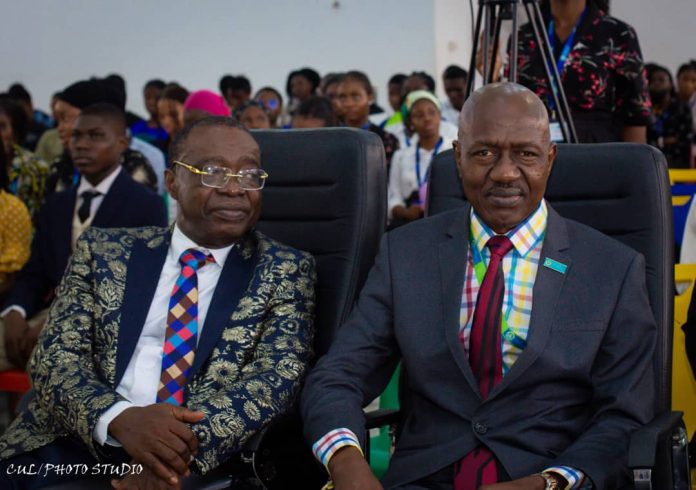
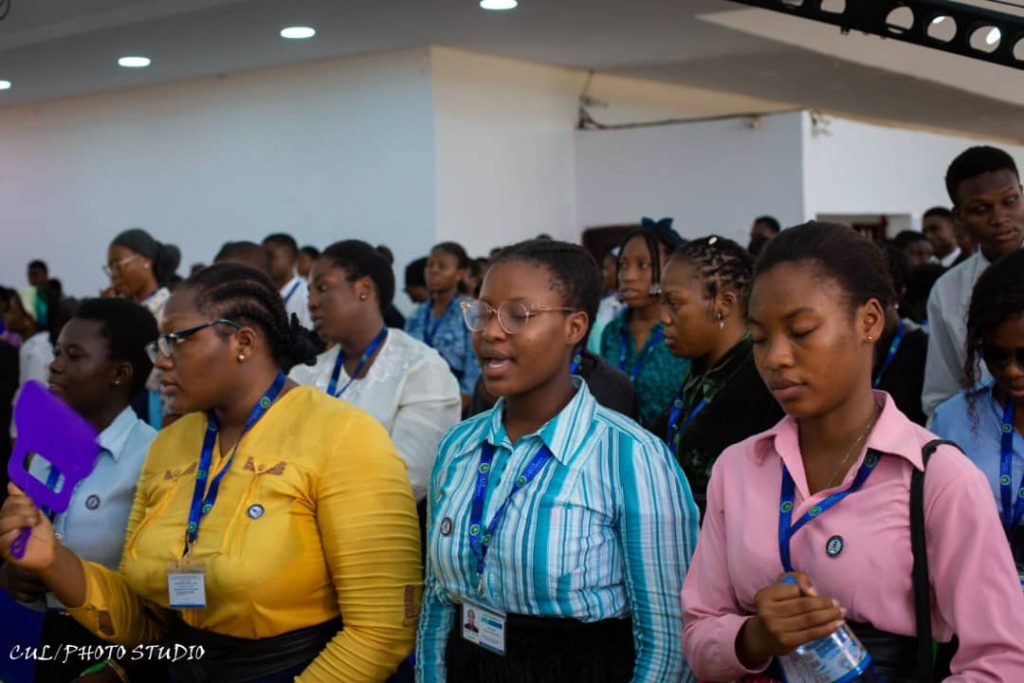
Mr Nwakanma said that public relations, with its many sub-divisions, would offer a rich and variegated career for any student who chooses it. A former president of the Public Relations Consultants Association of Nigeria, Nwakanma, spoke on “The scope of public relations in the modern world” at the Career Day of Caleb University, Imota, Lagos.
He told the students that public relations is a nimble modern management discipline whose value proposition grows daily with the increasing proliferation of platforms, audiences and the need by organisations and individuals to communicate effectively.
Nwakanma stated: “Contrary to misconceptions, the Public Relations discipline offers more than media relations management. Public Relations has a broad scope covering 15 to 30 specialisms. The range of services depends on who is doing the reckoning and what counts in that effort. A survey showed that member agencies of the Public Relations Consultants Association of Nigeria offered services in at least 21 areas in 2014, which has since grown.”
The many specialisms of public relations, Nwakanma stated, include advocacy, behaviour change communication, brand building, consumer relations, corporate communication and crisis and risk communication. Public relations also offers government relations, issues management, internal relations and employee engagement, lobbying, research, measurement and evaluation and political communication.
Other services in the rich bouquet of public relations include reputation management, brand publishing or publications and editorial services, investor relations and financial PR, content development, event management, and trade promotion. Nwakanma said public relations had become one of the most valued management disciplines, enabling firms to manage the complexity of media, messages, and audiences in the modern world.
The National Universities Commission unbundled mass communication into seven distinct disciplines as part of the Core Curriculum and Minimum Academic Standards. The areas are advertising, broadcasting, development communication, film and multimedia, information and media studies, journalism and media studies, mass communication, public relations, and strategic communication. Most institutions are preparing to implement though the take-off date was September 2021.
The Chief Executive of Brandhaus Communications Limited stated, “Public relations is one of the most effective IMC disciplines with the skill set and capacity to manage the move from one-to-many to one-to-one messaging with the numerous platforms and apps of today. It builds on the foundation of audience-specific messaging and versatility that public relations always canvassed.”
Nwakanma said there are more opportunities ahead as public relations professionals diversify further. Areas include Sports PR, Entertainment PR, and public relations offerings targeted at the growing demographic and psychographic split of audiences. The lecture witnessed a whole house of the mass communication department soon to become the Idowu Sobowale School of Communication and Media Studies, Caleb University.
Vice Chancellor Prof Nosa Owens-Ibie took some time off his other engagements to welcome the speaker. The head of mass communication, Dr Solomon Abiodun Oyeleye and the Director of Brands, Partnerships and Linkages, Abimbola Olulesi organised the town and gown interaction.
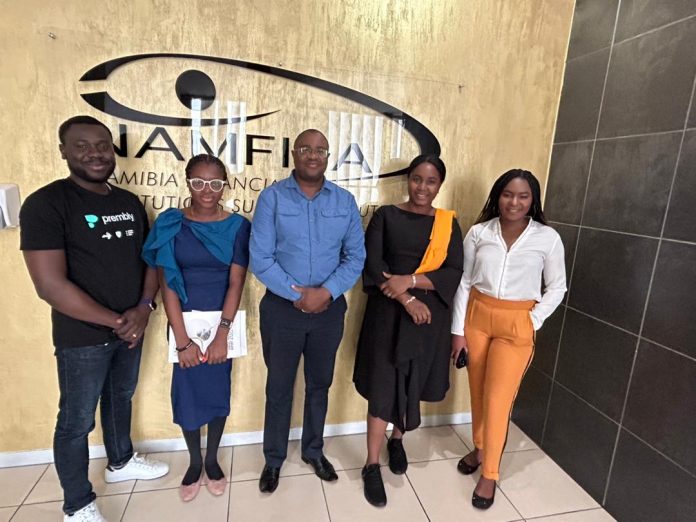
Prembly, Africa’s leading provider of compliance and digital security infrastructure has partnered with the Namibia Financial Institutions Supervisory Authority (NAMFISA) for the second and sought-after Fintech Square at the launch of NAMFISA Regulatory Sandbox.
This innovative event centers on Fintech: The Africa Experience, and is designed to present pioneering innovations while helping to mitigate risks emerging from the financial services industry. With a 71.2% economically active population and a 91% literacy rate according to the World Bank, Namibia offers a strong potential for tech innovation and development.
This partnership will help identify opportunities, drive collaboration, and foster innovation toward building a digital identity framework for the country, thus advancing its digital economy at large. Prembly has established itself as a leading provider of identity verification, compliance and online security solutions across emerging markets, having worked with governments and regulatory bodies in over 40 African countries. With tailored solutions, the company has advised on policy formulation, compliance, and security needs in various emerging markets.
By leveraging Prembly’s expertise in digital identity solutions, NAMFISA aims to create an inclusive and interoperable comprehensive system that supports innovation while meeting regulatory compliance needs.
“We are excited to partner with NAMFISA and contribute to developing a digital identity framework for Namibia. This partnership further demonstrates our vision to strengthen innovation and inclusion in Africa, and we are committed to leveraging our expertise and resources to drive this mission forward”, says Prembly’s co-founder/COO, Niyi Adegboye
The fintech industry in Africa has seen a remarkable surge in growth over the past eight years, as businesses have rapidly embraced new technologies and shifted to digital platforms. To fully capitalize on this dynamic market, it is critical to assess the market restrictions and provide solutions that impact digital identity systems.
“The partnership with Prembly brings expertise in compliance and digital security to the table. We’re most grateful to have received support from Prembly which aligns with NAMFISA’s mission to regulate and supervise Namibia’s financial sector in a manner that fosters innovation, financial inclusion, and stability., says Kenneth Matomola, CEO, NAMFISA.
The Federal Government (FG) declared on Monday that it opposes the National Assembly bill that would delay granting full licenses to medical or dental professionals who received their training in Nigeria until after they had been employed there for at least five years.
BizWatch Nigeria recalls that the bill passed the House of Representatives’ second reading on April 7, 2023. The bill’s purpose, according to its sponsor, Hon. Ganiyu Johnson (APC/Lagos), is to combat the brain drain in the Nigerian health industry.
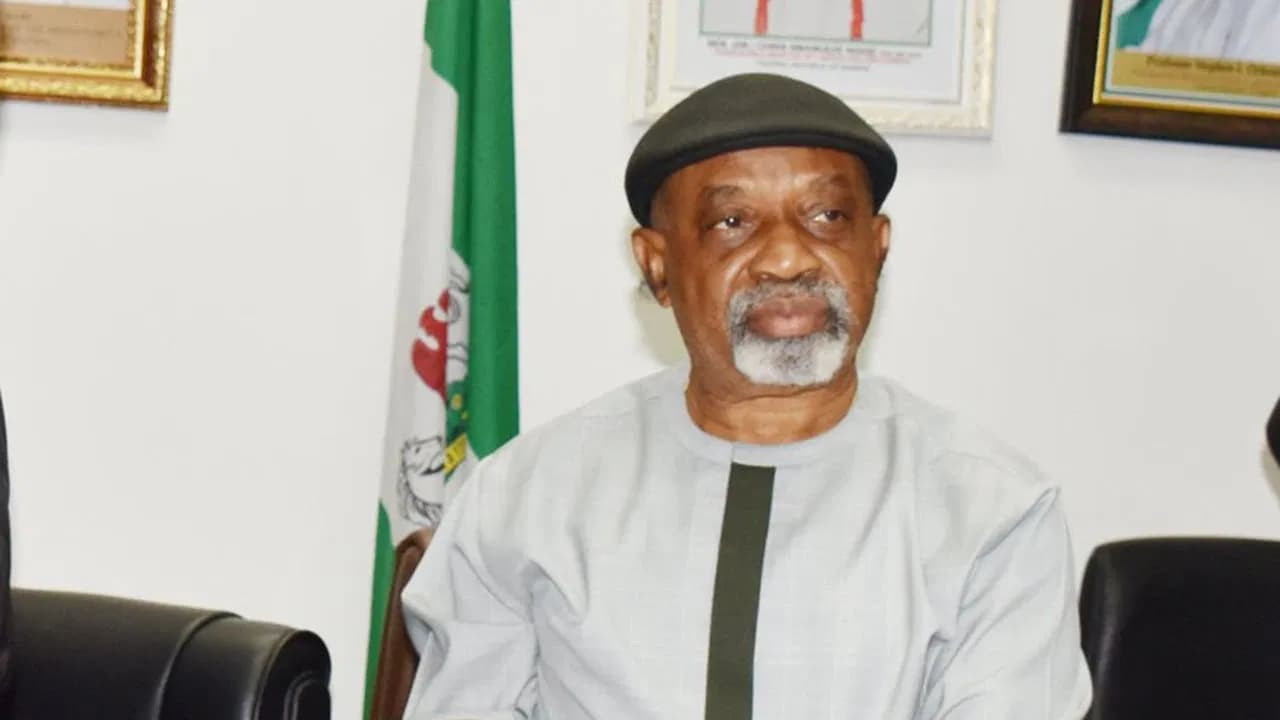
However, the Minister of Labour Dr. Chris Ngige stated during a press conference for State House Correspondents in Abuja following the Federal Executive Council meeting presided over by Vice President Professor Yemi Osinbajo that the bill in the National Assembly cannot prevent anyone from obtaining a full license.
The plan was deemed “not workable” by the Labour Minister, who insisted that there are alternative ways to stop the nation’s talent drain.
“Nobody can say they will not get a practising licence till after five years, it will run counter to the laws of the land that has established the progression in the practice of medicine. I am a medical doctor. I don’t support that bill,” he stated.
“When you graduate from medical school you go on a one-year apprenticeship called horsemanship or internship as the case may be. After your internship, you are now given a full licence because prior to that what you have is a provisional licence of registration with the Nigerian Medical and Dental Council of Nigeria, MDCN.
“So, after that internship, you were signed off by consultants and you became a fully qualified medical doctor to attend to human beings and to work without any supervision again. Supervision then is voluntary.
“Resident Doctors are those who have that full licence and they want to acquire post-graduate speciality and speciality is known like a surgeon, gynaecologists, obstetrics, paediatrics and internal medicine of family medicine. So, they are doctors in training.”
Okomu Oil Palm Plc says it has averted a possible gas explosion after a tanker carrying Liquefied Natural Gas lost control and fell along the Benin-Akure Expressway in the Uhiere community, the Ovia North East Local Government Area of Edo State.
The firm, in a statement, said its fire service department brought the situation under control.
It said the intervention in Uhiere came barely six months after it averted what could have been a major fire disaster in the Owan community in the same local government area.
The statement partly read, “The company has once again come to the rescue of another community by averting a possible gas explosion in Uhiere community along the Benin-Akure Expressway in the Ovia North East Local Government Area.
“The incident happened when the driver of a tanker carrying liquefied natural gas lost control of his truck and in the process fell along the ever-busy Benin-Akure Expressway.”Related News
It was gathered that the tanker loaded with the LNG was heading towards Akure from the Benin axis when it entered into one of the failed portions of the road which resulted in the tanker driver allegedly losing control and falling.
A distress call was said to have been made to the Okomu Fire Service at the company’s Extension 2 plantation, and officials responded before the tanker could burst into flames.
It was further gathered that no life was lost in the incident apart from the driver of the tanker who sustained a minor injury.
Reacting, the firm’s Communication Officer, Fidelis Olise, was quoted as saying, “A distress call came from a member of Uhiere community asking for the assistance of the company and immediately the management dispatched its fire truck and personnel to the scene in an act of good neighbourliness.
“The swift response of the company’s fire team is in line with its commitment to collaborate with the government and other stakeholders to secure the lives and properties of people, especially those within the catchment areas where it operates.”
The Nigerian Electricity Regulatory Commission has instructed power distribution firms not to cut off electricity to any locations where a life-support machine is in use.
The latest Customer Protection Regulations 2023, with regulation number: NERC-R-001-2023, were obtained in Abuja on Monday. NERC issued the order under those regulations.
A distribution company shall not terminate power service to any property where it is aware that a life-support machine is in use, according to one of the several instructions given to Discos in the NERC ruling.
clients having installed life-support systems must come to an agreement with the distributor for the payment of their bills, and the distributor may use additional legal procedures to collect any unpaid debt from these clients.
Customers who were disconnected for breaking these rules must receive compensation, according to the authority overseeing the electrical sector.
For each day the incorrect disconnection lasts, customers should get energy credits equal to their average daily consumption calculated based on their consumption or bills for the previous three months.
In the following situations, A distribution firm shall reconnect electricity service to a customer’s premises within the time frame specified in these regulations:
When a disconnected client makes all payments to the distribution firm as authorized by the commission or enters into a mutually agreeable payment arrangement with the distribution company,” the regulator said.
It further stated that the Distribution Company shall re-connect a power user when the customer who was disconnected for unauthorized access to the distribution network regularizes the electricity supply arrangements to his premises to the satisfaction of the Distribution Company and pays all fees assessed by the Distribution Company for the unauthorized access.
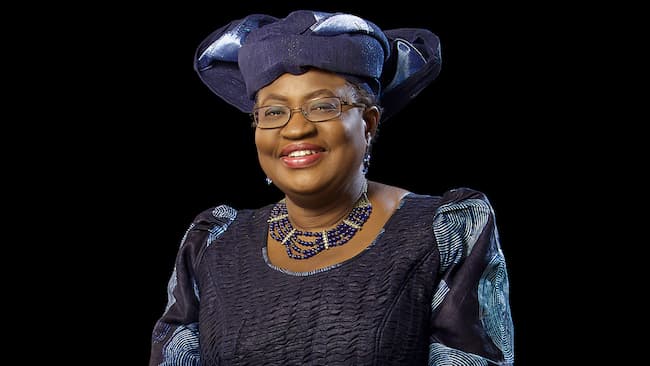
Director-general of the World Trade Organization (WTO), Ngozi Okonjo-Iweala, claims that if they can succeed at home, young people won’t be eager to move outside.
On Monday, the former finance minister gave a speech at the induction ceremony for elected and re-elected governors for 2023.
‘Governing for Impact: Building Sub-National Governance’ was the theme of the event, which was hosted by the Nigerian Governors Forum (NGF).
Okonjo-Iweala urged the governors to put their attention on nation-building and make investments in their states’ infrastructure and educational systems.
If the youth keep leaving the country, she claimed, Nigeria will struggle to “develop and prosper.”
According to Okonjo-Iweala, businesses across the nation are finding it simpler and easier to offer intermediary services like accountancy or insurance claim processing to offices around the globe thanks to remote work and AI tools.
“With our large numbers of educated people fluent in English – together with a deep network of connections to the diaspora – we are well positioned to seize these opportunities,” she said.
“But such businesses, like our tech startups, will struggle to thrive if we keep losing so many of our most skilled young people to emigration. Let me share some numbers.
“Over 15,000 Nigerians emigrated to Canada in 2021, joining 19,000 who had moved there in the previous two years. Estimates for 2022 are 20,000. That is over 50,000 skilled Nigerians in the space of four years.
“In the first half of 2022 alone, the UK granted skilled worker visas to nearly 16,000 Nigerians. Thousands of Nigerian-trained medical doctors work in the USA.
“The most popular phrase in Nigeria now is “I am going to japa”. I am not telling people not to go, but what I am saying is how many of these japas can we afford? If you japa we want you to “kapa”.
“Excellencies you must make your states and all Nigeria a hospitable, encouraging place where young people want to stay and thrive, not leave.
“Much as we appreciate remittances sent home by these migrants, Nigeria will not develop and prosper if its youthful, tech-savvy population leaves. Without them, our demographic dividend disappears.”
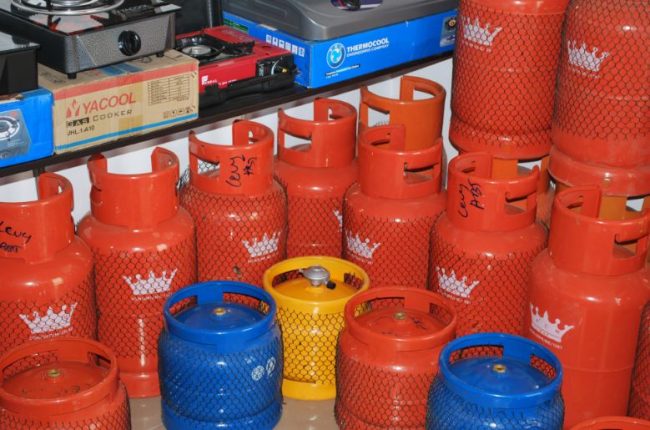
Operators have expressed concern about the proliferation of low-quality cylinders and liquefied petroleum gas, also known as cooking gas and having a high propane content, in circulation. They are working under the auspices of the Liquefied Petroleum Gas Retailers Branch of the National Union of Petroleum and Natural Gas Workers.
According to a statement released on Monday, Chika Umudu, the immediate past chairman of the LPGAR NUPENG Branch, offered the warning while addressing at the 3rd Quadrennial Delegates Conference with the topic “Prioritising Safety In LPG Retailing.”
However, he urged the Nigerian Midstream Downstream Petroleum Regulatory Authority and the Standards Organization of Nigeria to stop the market’s growing use of high propane LPG, highlighting how harmful it was for both users and operators.
He was cited as stating, “Let’s suppose the substandard cylinders being imported mostly from China is a temporary fix to fill the existing vacuum. What is the long-term plan to ensure that only standard cylinders are imported and these substandard cylinders are withdrawn in the not too distant future?
“Once again, why can’t we have these cylinders and accessories manufactured locally, as they were in the 1980s and 1990s?” Why can’t these multinational corporations, who are vying for shop space with street vendors, be informed that it is their responsibility to create LPG cylinders and other essential materials?
The ‘China cylinders’ hardly tolerate exposure to Nigerian weather for a year, it is crucial to mention. It is a ticking time bomb because so many low-income people, in especially, are unaware of the monsters they are surrounded by.
When Techno Oil began making cylinders in Nigeria, he claimed, it gave operators more hope, but “shortly it vanished from circulation. Perhaps it has experienced what happened to its predecessors in the 1990s.