








Home Blog Page 163

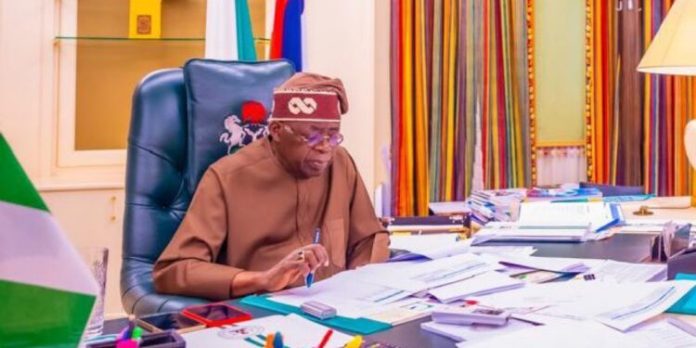
N4tn Saved From Subsidy Now Funding Infrastructure Projects – Tinubu

President Bola Tinubu has reaffirmed his administration’s commitment to deploying resources saved from fuel subsidy removal towards critical infrastructure, social safety nets, and economic reforms aimed at rebuilding public trust and fostering inclusive development.

Speaking at the opening of the National Conference on Public Accounts and Fiscal Governance, organised by the Public Accounts Committees of the Senate and House of Representatives, Tinubu, represented by the Minister of State for Finance, Doris Uzoka-Anite, said the removal of fuel subsidy, though challenging, was necessary to reposition the economy for long-term growth.

“In 2022 alone, Nigeria spent over N4 trillion on fuel subsidies, exceeding our capital expenditure allocation,” Tinubu stated. “The subsidy system was unsustainable, inequitable, and inefficient, disproportionately benefiting the affluent, encouraging smuggling, and draining public resources. Since its removal, we have redirected these funds into targeted interventions to expand social safety nets, improve public transportation, and finance critical infrastructure projects while strengthening our fiscal buffers.”

He noted that the administration’s economic reforms aim to address structural inefficiencies, fiscal leakages, and overreliance on oil revenues, shifting towards a diversified and inclusive revenue base. Highlighting new tax reforms, Tinubu explained that these initiatives are designed to widen the tax base, integrate the informal sector, digitise revenue collection, and harmonise multiple taxes to enhance the ease of doing business.

The President also referenced the establishment of the National Credit Guarantee Company to support local production, empower small and medium-sized enterprises, and promote non-oil exports, positioning these efforts as part of a broader strategy to create jobs, foster innovation, and strengthen economic resilience.

On monetary policy, Tinubu acknowledged the efforts of the Central Bank of Nigeria in stabilising the naira and reducing inflation while improving coordination with fiscal authorities to address structural challenges, particularly in the food supply chain.

He urged the National Assembly, particularly the Public Accounts Committees, to carry out their oversight responsibilities with integrity and independence, ensuring that public projects deliver value for money and reflect the priorities of Nigerians.

Senate President Godswill Akpabio, represented by Senator Abdul Ningi, emphasised the constitutional authority of the Public Accounts Committees in enforcing accountability and transparency in the use of public funds. He expressed concern over the growing trend of non-compliance with legislative summons by some agencies, describing it as a threat to democratic governance and accountability.

Speaker of the House of Representatives, Tajudeen Abbas, represented by House Leader Julius Ihonvbere, highlighted the persistent challenge of unrecovered public funds flagged by audit reports, revealing that over N300 billion remains unaccounted for. He called for the timely implementation of audit recommendations, sanctions for non-compliance, and the adoption of digital tools to enhance the transparency and efficiency of public financial management.

Chairman of the Senate Public Accounts Committee, Senator Ahmed Wadada, stressed the need to rebuild public trust through fiscal transparency and measurable service delivery. He called on all stakeholders to treat public funds as a “sacred trust” and to ensure accountability in the use of resources for critical sectors such as education, healthcare, infrastructure, and security.

Chairman of the House of Representatives Public Accounts Committee, Bamidele Salam, described the conference as a milestone in advancing transparency and sustainable development in Nigeria, calling for a recalibration of the country’s fiscal governance systems to ensure that public funds are effectively managed for the public good.

The conference, themed “Fiscal Governance in Nigeria: Charting a New Course for Transparency and Sustainable Development,” provided a platform for stakeholders to discuss aligning fiscal policies with constitutional mandates while enhancing accountability and transparency in the management of public resources.
NNPC Donates 35 CNG Buses To Boost Presidential Clean Energy Initiative

In a bold step towards advancing Nigeria’s clean energy transition, the Nigerian National Petroleum Company Limited (NNPC Ltd) has donated 35 Compressed Natural Gas (CNG)-powered buses to the Presidential Initiative on CNG.

The donation, which took place during a brief handover ceremony on Monday at the NNPC Towers in Abuja, reinforces the national oil company’s commitment to supporting the Federal Government’s gas-driven energy agenda.

Speaking at the event, NNPC Ltd’s Group Chief Executive Officer, Bashir Ojulari, reaffirmed the company’s strategic focus on expanding CNG adoption as a cleaner, more cost-effective, and sustainable alternative to petrol and diesel.

“This milestone highlights NNPC’s pivotal role in propelling the nation’s gas agenda and facilitating energy transition,” Ojulari stated, noting the company’s progress in gas infrastructure, supply, distribution, and retail outlets across the country.

The Minister of State for Petroleum Resources (Gas), Ekperikpe Ekpo, described the donated CNG buses as more than just vehicles, calling them “tools of economic relief, social equity, and environmental responsibility.”

According to him, the initiative is a tangible manifestation of President Bola Tinubu’s Renewed Hope Agenda aimed at reducing transportation costs, minimising reliance on petrol, and leveraging Nigeria’s abundant natural gas resources to benefit ordinary citizens.

Also speaking at the event, the Executive Vice President, Downstream, NNPC Ltd, Mumuni Dagazau, emphasised the economic advantages of adopting CNG, including reducing dependency on Premium Motor Spirit (PMS) and Automotive Gas Oil (AGO), while encouraging local gas sector development and delivering long-term cost savings.

Managing Director of the NNPC Foundation, Emmanuella Arukwe, echoed similar sentiments, stating that the initiative is helping shape a future-oriented energy landscape that serves communities and protects the environment.

Programme Coordinator and CEO of the Presidential CNG Initiative, Michael Oluwagbemi, expressed appreciation to NNPC Ltd for its consistent support, describing the company as a reliable partner since the inception of the initiative.

The handover of the buses is expected to further accelerate the implementation of CNG infrastructure across the country and promote a more inclusive and affordable transportation system for Nigerians.

ASUU Lecturers Halt Classes Nationwide Over Unpaid June 2025 Salaries

FG To Meet ASUU To Revisit 2009 Agreement, End Strike

A wave of academic disruptions is spreading across federal tertiary institutions in Nigeria as multiple branches of the Academic Staff Union of Universities (ASUU) have commenced suspension of lectures and academic duties over the non-payment of June 2025 salaries.

This industrial action comes on the heels of an earlier warning issued by ASUU’s national president, Professor Chris Piwuna, who declared that the union would enforce a strict “no pay, no work” stance against the Federal Government in the event of any delay in salary disbursements.

As of this week, academic staff across several public universities have yet to receive their June pay, prompting widespread unrest. The Academic Staff Union of Polytechnics (ASUP) has also raised similar concerns. In a statement released late Sunday, the union threatened to initiate strike action should the government fail to release their outstanding salaries promptly.

Confirming the development at the University of Jos, ASUU branch chairman Dr. Jurbe Molwus announced the formal withdrawal of services by union members due to the continued delay in salary payments. Molwus emphasized that this action aligns with the directive of ASUU’s National Executive Council (NEC), which mandates branches to halt all academic services if wages are not received by the third day of the month. This resolution was further endorsed by a congress meeting held at the university.

“As of now, our members have ceased all lecture activities and are refraining from attending statutory academic meetings,” Molwus stated. He further clarified that any future delays beyond the third day of the month would trigger automatic withdrawal of services from ASUU members. A strike monitoring committee has also been activated to enforce full compliance.

In Bauchi State, academic staff at Abubakar Tafawa Balewa University have also ceased campus activities in response to a directive from the institution’s ASUU branch. The branch chairman, Dr. Angulu Haruna, accused the Federal Government of deliberately delaying their salaries, noting that while most government employees are paid promptly, university staff are often excluded from monthly disbursements.

Haruna explained, “Typically, our wages are delayed until the following month’s first week, and yet, other government agencies are paid on time. We have been told repeatedly that these delays are due to the transition from the Integrated Payroll and Personnel Information System (IPPIS), but it is becoming evident that this excuse is no longer acceptable. It’s a clear case of discriminatory treatment.”

In the Federal Capital Territory, skeletal academic activity was observed at the University of Abuja, where many lecturers opted to remain off-campus due to the continued withholding of their salaries. An insider from Ahmadu Bello University in Zaria also disclosed, under anonymity, that the overwhelming majority of academic staff have resolved to observe the NEC’s directive and halt academic responsibilities until the June 2025 salaries are paid in full.

The ongoing impasse between academic unions and the Federal Government raises concerns about the sustainability of uninterrupted academic calendars across Nigeria’s higher education system. Both ASUU and ASUP have called for immediate intervention and transparent communication regarding the recurring issues of delayed payments and alleged discrimination in salary disbursements.

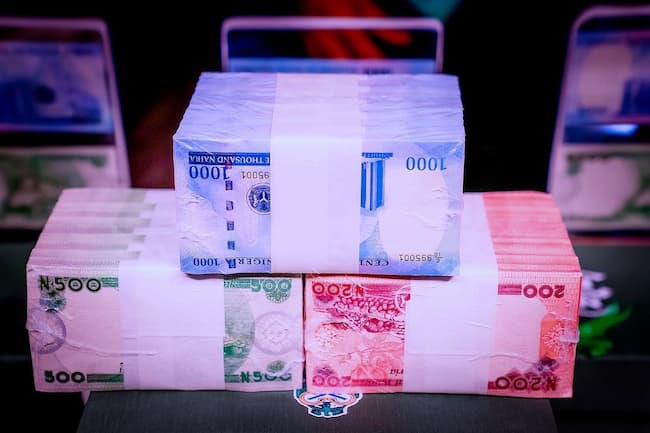
Dollar To Naira Exchange Rate For 8th July 2025

Dollar To Naira Exchange Rate For 8th Dec 2023

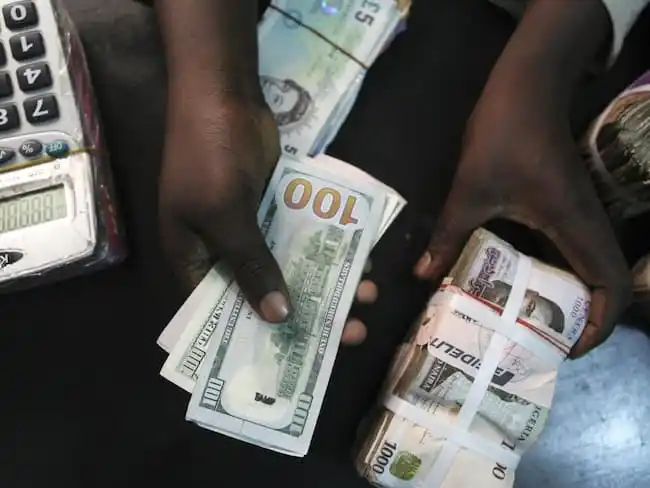
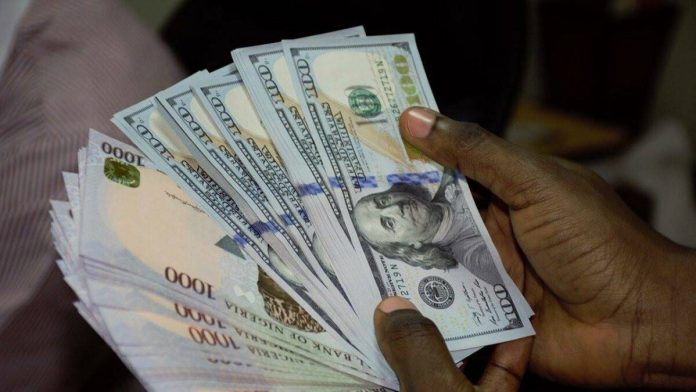
The exchange rate between the Naira and the US dollar, according to the data released on the FMDQ Security Exchange, the official forex trading portal, showed that the naira closed at 1565.00 per $1 on Tuesday, July 7th, 2025. The naira traded as high as 1520.00 to the dollar at the investors and exporters (I&E) window on Monday.

How much is a dollar to naira today in the black market?

Dollar to naira exchange rate today black market (Aboki dollar rate):

The exchange rate for a dollar to naira at Lagos Parallel Market (Black Market) players buy a dollar for ₦1550 and sell at ₦1565 on Monday 7th July, 2025, according to sources at Bureau De Change (BDC).

Please note that the Central Bank of Nigeria (CBN) does not recognize the parallel market (black market), as it has directed individuals who want to engage in Forex to approach their respective banks.

Dollar to Naira Black Market Rate Today

Dollar to Naira (USD to NGN)Black Market Exchange Rate Today
Buying Rate₦1550
Selling Rate₦1565

Dollar to Naira CBN Rate Today

Dollar to Naira (USD to NGN)CBN Rate Today
Highest Rate₦1531
Lowest Rate₦1520

Please note that the rates you buy or sell forex may be different from what is captured in this article because prices vary.

Nigeria’s External Reserves Dip By $3.5 Billion In H1 Of 2025 Amid Rising FX Commitments

Nigeria’s gross external reserves have experienced a substantial drop in the first half of 2025, decreasing by approximately $3.5 billion amid continued foreign exchange (FX) obligations and global market pressures.

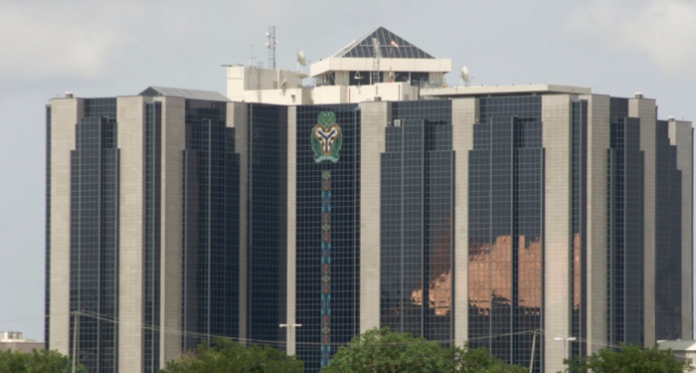
The Central Bank of Nigeria (CBN) reported that as of June 26, 2025, the reserves stood at $37.37 billion—down from $40.88 billion recorded at the close of December 2024. Data from the apex bank’s official currency platform shows a consistent downward trend, driven largely by FX interventions and external debt payments.

In its H1 economic update, Anchoria Limited noted that the FX reserves trajectory reflects growing demand for FX liquidity and heightened payment responsibilities. Despite high oil prices, FX supply remained under pressure.

During the same period, global oil prices were buoyed by rising geopolitical tensions, especially in the Middle East, where hostilities between Israel and Iran intensified. Brent crude saw nearly an 8% spike at its peak amid fears of regional escalation.

Nigerian crude oil grades such as Bonny Light and Escravos Light rallied close to $80 per barrel. Brass River and Qua Iboe crude were also robust, trading at $77.09 and $77.14 per barrel respectively, according to AIICO Capital Limited.

Despite the favorable oil prices, Nigeria’s FX reserve build-up has lagged, owing to persistent dollar demand and import-related obligations. The situation worsened in June, when reserves declined by about $1.07 billion within three weeks—from $38.39 billion on June 2 to $37.37 billion by June 26.

Anchoria analysts highlighted that although there has been some support from foreign portfolio inflows and FX supply from exporters and corporate entities, it hasn’t been enough to offset the outflows.

They cautioned that the apex bank’s diminished reserve buffer could limit its ability to intervene in the FX market effectively, especially if market volatility increases or global financial conditions become tighter.

While naira stability has held relatively steady in the short term, analysts warned that declining reserves and sustained external pressures may hamper the CBN’s ability to support future monetary interventions.

The mid-year economic report called for strategic policy adjustments and a stronger external financing strategy to navigate the second half of 2025 effectively.

Equities Market Records Mid-Day Gains As PZ Cussons, GTCO Drive NGX Index Higher

Nigerian Stock Exchange

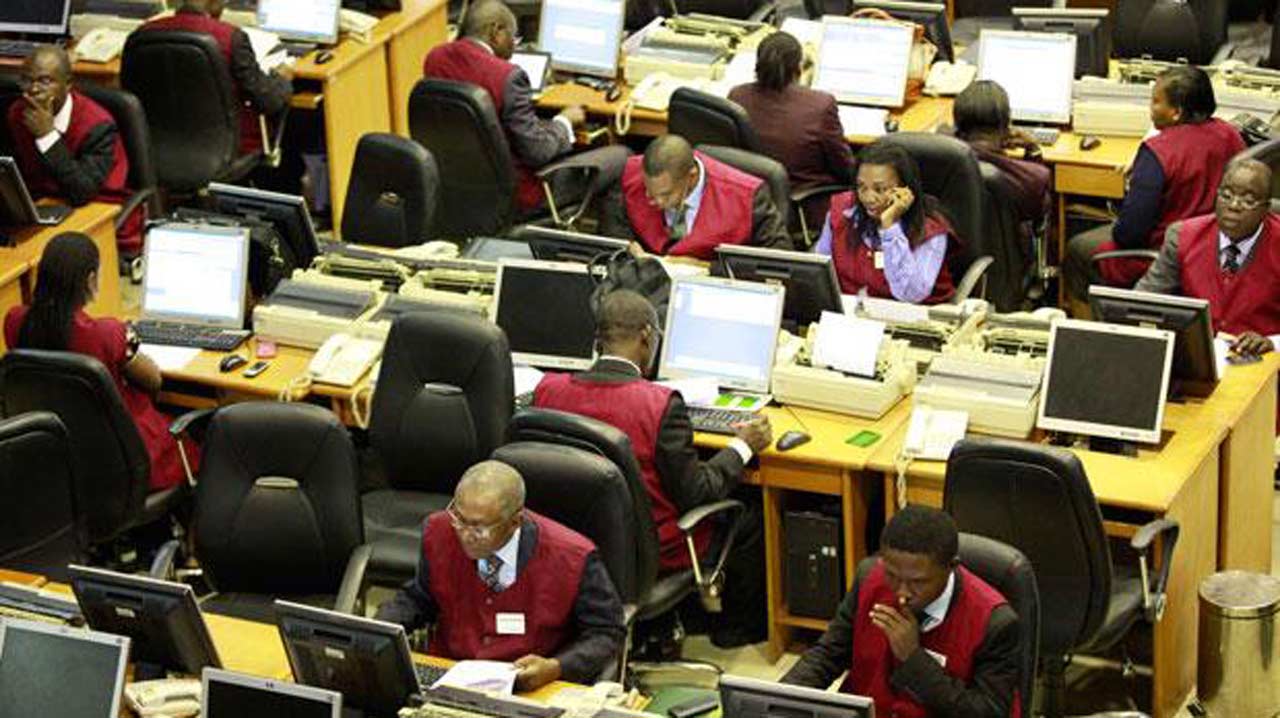
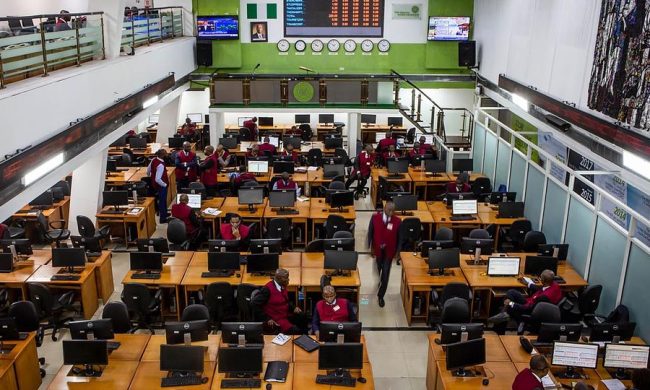
The Nigerian equities market began the week on a strong note, with the Nigerian Exchange (NGX) All-Share Index (ASI) posting a mid-day increase on Monday, spurred by notable gains in PZ Cussons, GTCO, and other key stocks.

Amid renewed investor interest, the ASI climbed by 14 basis points during intraday trading, benefiting from a favorable sentiment and declining yields in the fixed income space. Analysts attribute the upward movement to selective bargain hunting in mid- and large-cap equities.

Stockbrokers forecasted that the market was likely to close on a positive trajectory as investors resumed buying activities in stocks perceived to offer growth potential.

In an update to investors, Alpha Morgan Capital Limited reported that the NGX All-Share Index recorded a 0.14% gain by mid-day, highlighting an ongoing rally. The momentum was driven largely by bullish sentiment in stocks across various sectors.

Leading the list of gainers were PZ Cussons with a 3.40% increase, GTCO at 1.98%, and FIRSTHOLDCO which rose by 1.96%. Other notable performers included WEMABANK (1.82%), JAIZBANK (1.27%), UBA (0.82%), and OANDO (0.09%).

The rally was underpinned by renewed optimism among retail and institutional investors, many of whom have re-entered the market amid easing inflation and anticipated monetary policy shifts.

Market analysts suggest that if the trend continues, the NGX could be poised for a broader recovery, especially as economic indicators signal improvement and interest in equities returns.

Interest Rates To Drop By 300 Basis Points In 2025 Amid Economic Recovery

Nigeria’s benchmark interest rate is expected to decline by 3% in 2025, as analysts project a shift towards more accommodative monetary policies in response to improving macroeconomic conditions.

The outlook follows a sustained disinflation trend and an absence of major economic shocks, prompting analysts to predict a steady moderation in Nigeria’s rebased consumer price index (CPI) throughout the remainder of the year.

Amid an easing inflationary environment, economists anticipate that the federal government will abandon its strict contractionary approach, bringing an end to the high double-digit interest rates that have persisted in recent years.

Historically elevated interest rates were implemented to curb rampant inflation, but these measures also disincentivized investments in the real sector, shifting focus from productive enterprise to passive portfolio investments. As a result, sectors reliant on consumer spending, especially fast-moving consumer goods (FMCG), have faced sharp contractions in production due to reduced demand.

The enduring pressure from both high inflation and exchange rate volatility has placed considerable strain on corporate operations, while consumers continue to grapple with diminished purchasing power.

Nigeria’s economy, struggling to maintain pace with population growth, has left millions in multidimensional poverty, prompting analysts to call for monetary policy easing in the face of gradual recovery.

In 2024, the Central Bank of Nigeria (CBN) aggressively raised interest rates by a cumulative 875 basis points as part of its strategy to rein in inflation and stabilize the naira. However, the CBN’s Monetary Policy Committee (MPC) held the Monetary Policy Rate (MPR) steady at 27.50% during both its February and May meetings in 2025, signaling a cautious pause.

Analysts from Anchoria Investment & Securities noted that the MPC’s conservative stance was largely influenced by a desire for more clarity regarding the sustainability of the current disinflation trend and naira stabilization.

Despite a dip in headline inflation—supported by the CPI rebasing in January 2025—the committee remained cautious, citing slow progress in reducing core inflation, global macroeconomic uncertainties, and potential capital outflows from tightening in advanced economies.

However, sentiment among market analysts has shifted in favor of monetary easing. Improved foreign exchange liquidity, relatively stable global energy prices, and a modest recovery in economic activity have all contributed to a more optimistic forecast.

Anchoria projected a 300-basis-point reduction in the MPR to 25.50% by the end of 2025, contingent on continued disinflation and naira stability. The firm also suggested the MPC may narrow the asymmetric corridor and consider lowering the cash reserve ratio to inject additional liquidity into the banking system.

Still, Anchoria cautioned that the pace and scope of any rate cuts will be measured. The committee is expected to weigh the need for growth stimulation against preserving real positive returns for investors, especially in light of persistent price rigidity and external economic risks.

Global Stocks Tumble As Trump Slaps New Tariffs On Japan, South Korea, Others

stocks

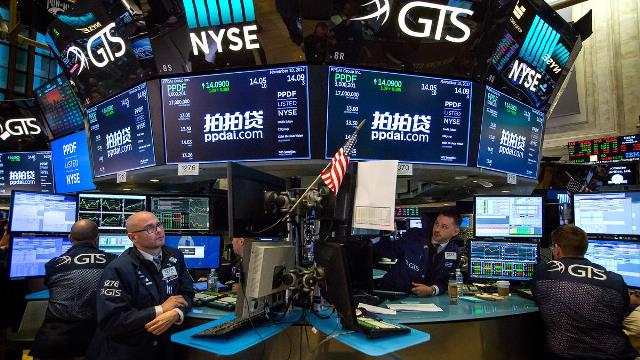
U.S. equity markets experienced a sharp decline on Monday following President Donald Trump’s unexpected announcement of a sweeping round of tariffs targeting key trade partners, including Japan, South Korea, and South Africa.

The Dow Jones Industrial Average dropped by 422 points, reflecting a 0.94% slide. The S&P 500 slipped 0.79%, while the Nasdaq Composite lost 0.92%. All three indices suffered their steepest single-day losses in nearly a month.

Investor confidence was rattled midday after President Trump confirmed the imposition of a 25% tariff on imports from Japan and South Korea, effective August 1. As the session progressed, further announcements revealed escalating tariff rates ranging from 25% to 40% on additional nations such as Malaysia, Myanmar, Laos, Kazakhstan, and South Africa.

The new trade measures were unveiled via posts on Trump’s social media platform, Truth Social. The documents clarified that the announced tariffs were distinct from existing sector-specific levies and may be adjusted upward or downward as necessary.

Markets had already opened lower on Monday, as Wall Street braced for updates from the Trump administration concerning trade policy. On Sunday, the former president foreshadowed the announcement of “tariff letters” to be issued to affected countries, revealing revised tariff schedules set for implementation in early August.

White House Press Secretary Karoline Leavitt confirmed that Trump would sign an executive directive moving the initial July 9 deadline for trade agreement negotiations to August 1 — thereby establishing a clear window for continued talks.

Corporate and ETF Losses Pile Up

The reaction in international equity listings was swift and severe. U.S.-listed shares of major Japanese automotive companies posted significant losses: Toyota fell by 4%, Nissan plunged 7.16%, and Honda dropped 3.86%.

South Korean technology giants also bore the brunt of the new policy. LG Display’s U.S. shares tumbled 8.3%, while SK Telecom lost 7.76%.

BlackRock-managed exchange-traded funds (ETFs) tracking stocks from Japan, South Korea, South Africa, and Malaysia recorded notable declines of 2.4%, 3.56%, 1.73%, and 1.97%, respectively. The Japan, Korea, and Malaysia ETFs marked their most pronounced losses since early April.

Ross Mayfield, investment strategist at Baird, told CNN that the size of the tariffs exceeded market expectations, triggering a broad-based selloff.

Bond Yields and Currency Markets React

Bond markets also reflected the mounting uncertainty. Yields on U.S. government securities rose in response to the risk-off sentiment. The 10-year Treasury yield climbed to 4.39%, while the 30-year benchmark reached 4.92%.

Currency markets saw the U.S. dollar strengthen, with the dollar index advancing 0.3% against a basket of six major currencies. Meanwhile, the Japanese yen, South Korean won, and South African rand weakened against the greenback.

Volatility surged, as measured by the CBOE Volatility Index (VIX), which spiked 8.4%. Gold, typically a safe haven during market turbulence, initially dipped but ended the day with a modest 0.1% gain.

Tariff Tensions Challenge Market Resilience

Until Monday’s sharp reversal, U.S. stocks had been climbing amid optimism that trade uncertainties were fading. Investors had responded positively to a string of favorable economic data, pushing the S&P 500 to four record closes since June 27.

With the July 9 tariff deadline looming, Wall Street had remained cautiously upbeat, anticipating a series of trade deal announcements. However, Mohit Kumar, chief strategist at Jefferies Europe, downplayed the significance of the date, predicting short-term volatility but ultimately viewing the letters as a strategic move to spur quicker negotiations.

Kumar noted that any market pullback could serve as a buying opportunity, suggesting confidence in a near-term resolution. This sentiment echoed remarks from BMO Capital Markets’ Brian Belski, who said recent inflation data supported the view that the economic impact of tariffs remains limited for now.

Belski added that upcoming trade deal announcements could bring clarity and sustain the current upward momentum in equity markets.

White House Signals More Trade Action

Treasury Secretary Scott Bessent told CNBC on Monday that several trade-related announcements could be expected within the next 48 hours. A day earlier, he warned that absent agreements, tariff rates would spike further on August 1.

Jim Baird, CIO at Plante Moran Financial Advisors, stressed that the trade landscape remains unpredictable and subject to rapid shifts.

Despite recent record highs for the S&P 500 and Nasdaq, the Dow remains around 608 points shy of its all-time peak.

Analysts Urge Caution Amid Growing Uncertainty

Not all market watchers share the optimism. Scott Wren, global strategist at Wells Fargo Investment Institute, cautioned in a note that many investors may be underestimating the risks posed by the new tariffs.

Wren warned that escalating tariffs could weaken the economy and dampen consumer spending. His team is reportedly cutting back on exposure to sectors perceived as overvalued, particularly U.S. small caps and consumer discretionary stocks.

In another surprise move, Trump announced on Sunday a separate 10% tariff on any country aligned with BRICS — the economic coalition formed by Brazil, Russia, India, China, and South Africa.

Market analysts say investors will be monitoring closely for any further signals from the Trump administration regarding trade penalties. Lukman Otunuga, senior market analyst at FXTM, suggested that if tariff hikes surpass market expectations and stoke fresh fears of a recession, equities may suffer sharp declines while traditional safe-haven assets attract renewed interest.

Nigerian Stock Market Rises By ₦193bn As Banking Sector Drives Gains

Stock Exchange Closes Trading Week With N30bn Gain

The Nigerian stock market opened the new trading week on a strong note, with investor portfolios growing by an estimated ₦193 billion on the back of sustained buying momentum and renewed market optimism. The upward trend at the Nigerian Exchange (NGX) marked a continuation of last week’s bullish close, with major market indicators climbing by 0.25%.

This resurgence was largely fueled by heightened demand for top-tier and mid-tier equities across key sectors, reflecting growing investor confidence in the near-term economic outlook.

On Monday, the NGX All-Share Index rose by 305.67 basis points, closing at a new all-time peak of 121,295.33 points, setting a record high for the year.

Despite the bullish sentiment, trading volumes saw a decline of 10.80%, even as transaction values increased by 31.23%. According to Atlass Portfolio Limited, the day’s trading saw approximately 824.10 million shares change hands in 24,042 transactions, with a cumulative value of ₦14.44 billion.

UNIVINSURE dominated the activity chart in terms of volume, accounting for 8.74% of the total shares traded. FCMB followed closely at 7.46%, trailed by JAPAULGOLD (6.49%), ACCESSCORP (5.11%), and AIICO (4.88%).

In terms of value, Nigerian Breweries Plc was the standout performer, making up 16.60% of the total transaction value. Meanwhile, CADBURY, ELLAHLAKES, and TRIPPLEG topped the gainers list with a 10% price increase each.

Other notable gainers included REDSTAREX (+9.92%), NGXGROUP (+9.91%), MEYER (+9.90%), OMATEK (+9.89%), and ACADEMY (+9.89%), among others. In total, 51 stocks appreciated in value while 23 recorded losses.

Sunu Assurance Plc led the decliners’ list with a 10% drop in its share price, followed by PRESTIGE (-9.09%), BERGER (-7.58%), JAPAULGOLD (-6.30%), UCAP (-4.76%), and TRANSCORP (-4.55%).

Sectoral analysis showed a broadly positive market: banking stocks rose 0.94%, consumer goods advanced 0.75%, insurance ticked up 0.39%, and oil & gas added a marginal 0.01%, while the industrial goods sector remained flat.

The total market capitalisation at the NGX climbed by ₦192.85 billion to settle at ₦76.53 trillion, reflecting a strong start to the trading week.

Bitcoin Slips To $108,000 Amid Retail Selloffs And Market Volatility

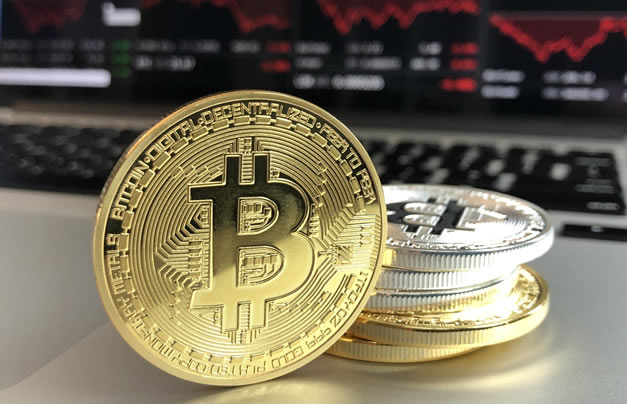
Bitcoin’s market value fell sharply on Monday, slipping to approximately $108,000 amid widespread selloffs driven by retail traders concerned about ongoing macroeconomic uncertainties and regulatory jitters in the U.S.

The global crypto market shed about 0.8% in total value, underscoring a mild but impactful wave of profit-taking by smaller investors. Early in the day, BTCUSD hovered near $109,000, within striking distance of its all-time high, before retreating due to renewed volatility.

Market analysts noted that larger investors, known as whales, are also contributing to the recent downturn. A report from 10x Research indicated that roughly 500,000 BTC—valued at over $50 billion—has exited long-term holding wallets over the past year. This move reflects a major cash-out phase by early adopters who are now reaping profits.

Ethereum (ETHUSD) was not spared either. The second-largest cryptocurrency dropped to around $2,529 after peaking at $2,598 earlier in the day. The day began with ETH trading near $2,535 before witnessing a brief spike, only to settle into a narrow trading band between $2,565 and $2,585. Notably, higher lows observed in recent candles at $2,506, $2,512, $2,540, and $2,560 suggest consistent buy-side support on dips.

A surge in volume was recorded on Sunday night when Ethereum climbed $50 within an hour, signaling strong interest. However, the market appears to be consolidating post-spike, awaiting the next trigger.

The broader crypto market has seen its valuation dip to around $3.33 trillion. Bitcoin’s value is down by 0.7%, Ethereum by 0.6%, and other top tokens like Tether and BNBUSD are trading in the red. Solana (SOLUSD) also faced downward pressure as sellers continued to dominate across exchanges.

Despite the mild pullback, market observers believe this could be a temporary correction, especially if institutional demand resumes and regulatory clarity improves.

EPL Summer Transfer Window 2025: Arsenal, Liverpool, Man City Among Top Spenders as Transfers Heat Up

The 2025 summer transfer window has officially kicked off for Premier League clubs, and top-flight teams are already making aggressive moves to shape their squads ahead of the new season. Running from June 16 to September 1 at 19:00 BST, the window has seen a flurry of high-profile signings, loan deals, and major player exits as of July 6.

Several of England’s biggest clubs — including Arsenal, Liverpool, and Manchester City — have taken early strides in the market, investing heavily in fresh talent while clearing out surplus players.

Arsenal’s Busy Window: Incomings and Strategic Exits

Arsenal have made early statements with the acquisitions of Martin Zubimendi from Real Sociedad and goalkeeper Kepa Arrizabalaga from Chelsea. The Gunners have also streamlined their squad, releasing midfielder Jorginho to Flamengo and allowing full-back Kieran Tierney to return to Celtic.

Aston Villa’s Youth Movement

Villa bolstered their ranks with promising talents Yasin Ozcan from Kasimpasa and Zepiqueno Redmond from Feyenoord. At the same time, they parted ways with Brazilian veteran Philippe Coutinho, who has joined Vasco da Gama.

Bournemouth Strengthen, Lose Key Players

Bournemouth made smart moves with the addition of Eli Junior Kroupi from Lorient and Adrien Truffert from Rennes. However, they suffered notable exits, including Milos Kerkez to Liverpool and Dean Huijsen to Real Madrid.

Brentford Reinforce

Brentford reinforced their goalkeeping department by signing Caoimhin Kelleher from Liverpool, replacing Mark Flekken. They also welcomed defender Michael Kayode from Fiorentina.

Brighton Bring in Fresh Faces

Brighton have been one of the busiest clubs, with signings including Olivier Boscagli from PSV and Diego Coppola from Verona. However, they bid farewell to star forward Joao Pedro, who has moved to Chelsea.

Burnley Overhaul Entire Roster

Burnley appear to be undergoing a transformation, securing players like Marcus Edwards, Quilindschy Hartman, and veteran defender Kyle Walker as they rebuild their squad.

Chelsea: Youth and Experience

While Chelsea lost Kepa and Bashir Humphreys, they added several exciting names including Estevao Willian, Joao Pedro, and Jamie Gittens, signaling a continued focus on young talent.

Crystal Palace Transitioning from Experience

Palace signed goalkeeper Walter Benitez from PSV while long-time club servants Joel Ward and Jeffrey Schlupp have left the club.

Everton’s Mixed Bag

Everton made a notable addition in Charly Alcaraz from Flamengo but offloaded several experienced names such as Ashley Young and Abdoulaye Doucoure.

Liverpool’s Rebuild in Full Swing

Liverpool are continuing their overhaul under new leadership, bringing in high-potential names like Giorgi Mamardashvili, Jeremie Frimpong, Florian Wirtz, Milos Kerkez, and Freddie Woodman. Big departures included Trent Alexander-Arnold to Real Madrid and goalkeeper Kelleher to Brentford.

Manchester City Make Tactical Additions

Reigning champions Manchester City added Rayan Ait-Nouri, Marcus Bettinelli, Rayan Cherki, and Tijjani Reijnders to their star-studded lineup. The big surprise was the exit of Kevin De Bruyne, who has joined Napoli.

Manchester United Refresh the Attack

Manchester United signed Matheus Cunha from Wolves and Diego Leon from Cerro Porteno. The Red Devils have released long-serving players Christian Eriksen and Victor Lindelof.

Newcastle’s Youth Investment

Newcastle United welcomed Antonio Cordero from Malaga but saw Jamal Lewis released and Lloyd Kelly transferred to Juventus.

Nottingham Forest Make South American Move

Nottingham Forest lost Andrew Omobamidele to Strasbourg but made a strategic signing by bringing in Igor Jesus from Botafogo.

Sunderland Lose a Starlet

Sunderland secured midfield reinforcements in Enzo Le Fee and Habib Diarra, though they lost rising talent Jobe Bellingham to Borussia Dortmund.

Spurs Restructure

Tottenham Hotspur signed defender Kevin Danso and striker Mathys Tel. Veterans Sergio Reguilon and Fraser Forster were among those released.

West Ham Mixes Youth with Experience

West Ham United added defensive power with Jean-Clair Todibo from Nice and Daniel Cummings from Celtic. Meanwhile, veterans Aaron Cresswell and Lukasz Fabianski have exited the club.

Wolves Cash In

Wolverhampton Wanderers sold Matheus Cunha to Manchester United and Rayan Ait-Nouri to Manchester City. New arrivals include Jorgen Strand Larsen and Fer Lopez, both signed from Celta Vigo.

More Transfers Expected Before Deadline

With the window open until September 1, clubs are expected to make more strategic decisions in the coming weeks. Fans can anticipate more surprises, marquee signings, and tactical exits as the 2025/2026 Premier League season draws closer.

Naira Sustains Bullish Momentum As Foreign Inflows Surge By 74%

Federation Account Amasses Over ₦5trn In 6months- RMAFC

Nigeria’s local currency, the naira, continued its upward streak in the foreign exchange market last week, supported by a significant increase in foreign currency inflows. According to data, inflows surged by about 74%, further strengthening the naira’s rally against the US dollar.

Despite lower FX sales interventions by the Central Bank of Nigeria (CBN), the increased supply of dollars in the system from other sources bolstered the naira’s performance. By Friday’s close, the naira had appreciated by ₦10.67, settling at ₦1,528.56/$1 in the official window.

The positive momentum was largely driven by foreign portfolio investments (FPIs), non-bank corporates, and exporters. The naira briefly touched ₦1,525.82 per dollar on Thursday, reflecting one of its strongest showings in recent weeks.

Coronation Merchant Bank’s weekly commentary revealed that foreign exchange inflows into the Nigeria Forex Market reached $1.79 billion last week, a steep climb from $1.03 billion in the preceding week. FPIs accounted for the lion’s share of the inflows at 66.91%, maintaining a seven-week streak of dominance in the market.

Non-bank corporate players contributed 16.51% to the weekly total, while exporters provided 14.50%. Smaller contributors included other corporate entities and individual remittances, which added 0.82% and 0.12%, respectively.

Analysts have raised concerns that the resumption of international card transactions by commercial banks could exert short-term pressure on the naira. However, Coronation’s outlook remains positive, citing continuous inflows from FPIs and increased FX supply from exporters and corporates as stabilizing forces.

The International Monetary Fund (IMF) also lent support to the naira’s outlook in its latest Article IV Consultation report. The IMF praised the CBN’s foreign exchange market reforms, noting that improvements in market transparency and price discovery have enhanced investor confidence and liquidity conditions.

Stanbic IBTC Holdings Meets CBN Recapitalisation Requirements, Achieves 21.9% Oversubscription In Rights Issue

In a landmark achievement that highlights the steadfast confidence of its stakeholders, Stanbic IBTC Holdings has successfully met the Central Bank of Nigeria’s ambitious N200 billion recapitalisation requirements. This remarkable feat follows a highly successful Rights Issue, which raised an impressive N148.7 billion, garnering overwhelming support from existing shareholders.”

The standout aspect of this Rights Issue was its astonishing oversubscription rate of 21.9%, translating into an additional N181.4 billion in capital. This robust participation not only reflects shareholders’ trust in Stanbic IBTC’s strategic vision but also highlights the institution’s operational excellence and resilience in a dynamic financial landscape.

Commenting on the just concluded rights issue programme, the Acting Chief Executive of Stanbic IBTC Holdings PLC, Dr. Kunle Adedeji stated that after the completion of the verification exercise by the Central Bank of Nigeria and final clearance by the Securities and Exchange Commission, Stanbic IBTC Holdings PLC is announcing the successful close of the N148.7 billion Rights Issue subscription exercise. The turnout and participation of existing shareholders taking up their rights was impressive such that the rights issue was oversubscribed by 21.9% to the tune of N181.4 billion. Our shareholders’ interest shows the confidence they continue to have in the brand.

In March 2024, the Central Bank of Nigeria (CBN) mandated that commercial banks with international authorisation raise their capital base to N500 billion, while national banks are required to reach N200 billion. Additionally, banks with regional authorisation must achieve a minimum capital threshold of N50 billion.

The injection of N140 billion into Stanbic IBTC Bank from the parent company further enhances the bank’s capacity to meet the growing demands of its customers and increasingly competitive market dynamics. Wole Adeniyi, Chief Executive, Stanbic IBTC Bank, remarked that ‘the injection of the new capital into the banking subsidiary is a positive development. This will enable the Bank to seize additional opportunities within the industry and enhance our Single Obligor Limit (SOL). We deeply appreciate the dedication and hard work of our regulators, issuing houses, and all other stakeholders. We extend our sincere gratitude for your continued support.”

Successful recapitalisation is not just about numbers; it is about resilience, commitment, and a shared vision for the future. Stanbic IBTC Holdings remains committed to promoting economic growth and generating value for its stakeholders, laying the groundwork for a prosperous financial future for all.

More information can be found at https://www.stanbicibtc.com/

This Is Not Over’: Tesla Protesters Maintain Pressure DOGE Exit

Elon Musk, who donated $288 million to Donald Trump’s 2024 presidential campaign, ignited controversy last week by calling a new federal bill a “disgusting abomination”—just days after stepping down from DOGE, his high-profile government cost-cutting initiative.

The fallout triggered a public spat between the two billionaires, with Trump threatening to sever government contracts with Musk’s companies, and Musk asserting that Trump “would have lost the election” without his support. The tension has further energized the Tesla Takedown movement, a grassroots protest campaign launched in mid-February in response to Musk’s federal influence. On Saturday, over 60 demonstrations were held in cities across the U.S., including Delray Beach (FL), Louisville (KY), and Decatur (GA).

In Washington, D.C., about 30 protesters braved rain outside a Tesla showroom in Georgetown, a smaller turnout than the 200 who gathered in Rockville, Maryland the previous week. Organizers Melissa Knutson and Sara Steffens attributed the dip to inclement weather and overlapping Pride events.

According to the movement’s website, Tesla Takedown urges participants to “sell your Teslas, dump your stock, and join the picket lines,” arguing that “stopping Musk will help save lives and protect our democracy.”

Despite Musk’s exit from DOGE and growing friction with Trump, organizers say the movement is far from over. The group’s Bluesky account reaffirmed its commitment to protest on June 28, Musk’s birthday, calling it a moment to “recommit to the fight.”

Steffens noted that some activists are now pressuring pension funds to divest from Tesla, while Knutson emphasized, “We are tired of the billionaire takeover, and we are not letting up.”

Tesla has seen a 13% drop in deliveries—its worst quarterly performance ever—while its stock has plunged nearly 47% from its December peak of $488.54. The company’s shares fell another 14% this week alone, a development Steffens described as “encouraging” evidence of rising public scrutiny. Musk blamed the slump on macroeconomic conditions, although rival EV makers saw growth during the same period.

Neither Tesla nor early Tesla Takedown organizer Alex Winter responded to CNN’s request for comment. At Saturday’s D.C. protest, many attendees were seasoned demonstrators. Jeanne Ferris, attending her fifth rally, said she believes “Musk’s tendrils” still run deep in government. James Decherd, a regular at weekly protests, said he participates to “motivate and mobilize” others. Donna Powell, who has rallied at 50–60 anti-Trump events, labeled Musk and Trump “billionaire brats having a tiff.”

Her husband, Don Powell, added that any apparent fallout between the two may be short-lived: “In the long run, they rely on each other, so they’ll work something out.”

Nigeria’s External Reserves Drop By $3.5 Billion In H1 2025

Nigeria’s gross external reserves have fallen to $37.181 billion, according to the latest update from the Central Bank of Nigeria (CBN)’s currency platform. This marks a sharp decline of approximately $3.5 billion in the first half of 2025, dropping from $40.88 billion at the end of December 2024 to $37.37 billion as of June 26, 2025.

The reserves have consistently trended downward throughout the period, largely due to heightened foreign exchange (FX) obligations and persistent market pressures, according to analysts at Anchoria Limited in their mid-year economic report.

The Central Bank’s sustained FX interventions contributed significantly to the drawdown, as the regulator sought to stabilize the naira amid ongoing volatility in global oil markets. These markets were particularly turbulent due to rising geopolitical tensions in the Middle East, especially the escalating conflict between Israel and Iran. At the height of the crisis, Brent crude prices surged by nearly 8%, reflecting investor concerns over a broader regional conflict.

Despite the tension, Nigerian crude grades benefitted from the price rally. Bonny Light and Escravos Light approached the $80 per barrel level, while Brass River and Qua Iboe traded at $77.09 and $77.14, respectively. These prices have provided a welcome boost for oil-dependent economies like Nigeria, which rely heavily on petroleum revenues to fund government operations, noted AIICO Capital Limited in a recent briefing.

Nevertheless, the downward pressure on reserves remained strong. In June alone, Nigeria’s reserves fell by about $1.07 billion over just three weeks, declining from $38.39 billion on June 2—an indication of intensified FX interventions and sustained capital outflows.

While improved foreign portfolio inflows and increased FX supply from exporters and non-bank corporates offered some temporary support to the naira, Anchoria Limited warned that the market remains fragile. The combination of modest CBN inflows and a diminishing reserve buffer could limit the apex bank’s ability to absorb future demand shocks in the FX market.

Despite relative short-term naira stability, analysts caution that continued external pressures and weaker reserves may reduce Nigeria’s monetary flexibility, especially if global financial conditions tighten further.

The current environment, analysts say, highlights the need for cautious policy management and a robust external financing strategy going into the second half of the year.

Verve And Global Partners Unite To Transform The Future Of Payments In Africa And Beyond

In today’s interconnected world, strategic partnerships have become essential levers for growth, innovation, and customer satisfaction. As digital platforms continue to transform how people live, work, shop, and connect, the demand for interoperable, borderless payment systems has never been greater.

Across Africa, digital adoption is accelerating, and cross-border commerce is gaining momentum. A new wave of collaboration is emerging, one that aligns domestic financial solutions with global platforms to deliver more value to everyday users.

At the forefront of this movement is C, Africa’s leading payment card and digital token brand. In a bold, strategic initiative, Verve has partnered with some of the world’s most prominent digital and e-commerce platforms including Google, Spotify, Netflix, Temu, AliExpress, YouTube Premium, Uber, Facebook Ads, Flywire, and others. These partnerships are designed to enrich the lives of millions of consumers by enabling secure, versatile, and convenient payment options across a wide range of services.

This wave of collaboration represents more than just technological integration; it highlights Verve’s growing global relevance and unwavering commitment to simplifying digital experiences for users in Africa and beyond.

For over 15 years, Verve has been bridging the gap between global digital ecosystems and Africa’s fast-growing, digitally savvy population, delivering solutions that meet the evolving demands for speed, safety, and inclusivity in payments.

At the heart of Verve’s strategic partnerships is a clear goal: to make global digital services easily accessible to African cardholders without friction. Whether for entertainment, education, e-commerce, mobility, or gaming, Verve is empowering millions of Africans to transact seamlessly online using their locally issued Verve cards.

Streaming platforms like Spotify, Netflix, and YouTube Premium have become embedded in modern digital lifestyles. Through Verve’s secure payment infrastructure, users across Africa can now subscribe to and renew these services with ease. Similarly, Google Ads and Facebook Ads, essential tools for game lovers, entrepreneurs, SMEs, and digital creators, are now more accessible, enabling African businesses to scale and compete confidently in the global digital economy.

Verve’s inclusion of e-commerce giants such asTemu and AliExpress further broadens access to affordable global goods, eliminating the frustration of international card restrictions and opening doors for deeper participation in cross-border commerce. This represents a significant step forward for both financial inclusion and Africa’s digital trade landscape.

Beyond digital services, Verve is also enhancing real-world convenience. Its partnership with Uber allows cardholders to pay for rides directly using their Verve cards, seamlessly integrating mobility into its expanding ecosystem. For students and families managing international tuition payments, Verve’s collaboration with Flywire ensures smoother, secure transactions to global institutions, further reinforcing Verve’s role in facilitating global access for Africans.

These partnerships are not just transactional, they are transformational. They deliver richer, more convenient services to consumers, while positioning Verve as a proudly African brand with global reach and relevance.

As the company continues to scale, security remains paramount. Each partnership is carefully designed to comply with international payment standards, local regulatory requirements, and robust security protocols. This means Verve cardholders can transact with confidence, whether streaming a show in Lagos, shopping online in Nairobi, or running a digital ad campaign in Kampala.

Verve’s success is deeply rooted in local insight. With a keen understanding of the unique dynamics of African markets from infrastructure challenges and shifting payment preferences to trust gaps Verve thoughtfully tailors its solutions to meet real needs while honouring domestic nuances. Verve is not only extending its reach, but also democratizing access to digital services for millions of Africans.

As digital payments continue to reshape the fabric of global commerce, Verve is ensuring that Africa is not left behind. Firmly positioned at the heart of this transformation, Verve is unlocking opportunity, simplifying everyday experiences, and creating new pathways for growth through its expanding ecosystem of global and regional partners.

Euro Falls Against Dollar As EU Prepares Tariff Response

The euro edged lower against the US dollar on Monday, sliding toward $1.17 as investors awaited clarity on upcoming US tariff measures and their potential global impact.

Markets paused amid mixed reactions to the US administration’s proposed tariffs, while forex traders leaned toward the greenback following a stronger-than-expected US jobs report and speculation around an easier path to rate cuts as Donald Trump signals plans for a shadow Federal Reserve chair.

The European Union said it was making progress toward a preliminary trade agreement with the US to avoid a major tariff escalation, proposing a universal 10% tariff on many goods while considering reduced rates for critical sectors such as pharmaceuticals, alcohol, semiconductors, and commercial aircraft. At the same time, the EU announced it was preparing retaliatory tariffs on a range of US products in response to President Trump’s metal duties, warning that additional measures—including export controls and restrictions on US access to public contracts—could follow if no agreement is reached.

Meanwhile, US Commerce Secretary Howard Lutnick confirmed that the broader US tariff package, initially scheduled for July 9, has been postponed to August 1. In Europe, markets are now pricing in only one more rate cut from the European Central Bank for the rest of the year.

On the currency front, the US Dollar Index (DXY) has shown signs of recovery despite broader weakness this year, as the usual correlation between rate differentials and the dollar’s performance has weakened. Analysts note that elevated US policy uncertainty and structural factors—such as investor hedging against dollar fluctuations and current account pressures—have weighed on the greenback in recent months.

Zest: Revolutionizing Payment Solutions For African Businesses

African enterprises are rapidly discovering that fragmented payment systems are a liability in an increasingly competitive marketplace. As e-commerce surges and mobile payment adoption rises across the continent, businesses are searching for unified solutions that streamline operations while enhancing customer experiences.

For businesses looking to turn their payment systems from an operational necessity into a strategic asset, one company offers a compelling path forward. With its sector-specific approach to payment orchestration, Zest, the fintech subsidiary of Stanbic IBTC Holdings, is positioning itself as a crucial partner for businesses seeking growth in Africa’s digital economy.

At its core, Zest offers something desperately needed in Africa’s diverse payment ecosystem: unification. Through sophisticated payment orchestration, their flagship platform, a payment gateway, brings multiple payment capabilities like cards, mobile money, bank transfers, and QR codes, into a single, comprehensive business dashboard.

This consolidation eliminates the headaches of managing separate systems while providing businesses with powerful tools: aggregator capabilities for multi-location collections, real-time reporting, instant settlements, reduced payment failures, and valuable customer insights that drive strategic decisions.

“Businesses today don’t just need to accept payments, they need to orchestrate experiences that are fast, seamless, and scalable,” explains Stanley Jacob, CEO of Zest.

Industry-Specific Solutions

Beyond the plug and play payment gateway, what truly sets Zest apart is its commitment to sector-led customization. Rather than offering one-size-fits-all solutions, the fintech delivers customizations of its platform to address industry-specific challenges.

One energy sector client now manages over 100 gas stations nationwide with real-time transaction monitoring against available inventory. Additionally, Zest powers the client’s card-based loyalty system and pre-funding capabilities—a comprehensive solution that addresses multiple business needs simultaneously.

In another example, a major ports industry player benefits from custom-fitted payment collection infrastructure designed specifically for its complex operational requirements.

Empowering businesses of all sizes

While large corporations benefit from Zest’s enterprise-level customizations, smaller businesses aren’t left behind. The platform offers multi-rail payment checkout systems and free customizable storefronts embedded in its business dashboard.

With some of the most competitive pricing across different payment rails; cards, account-based transactions, USSD, QR codes, Apple Pay, and Google Pay, Zest enables even small merchants to offer customers multiple payment options. The platform’s bank-agnostic nature allows merchants to receive settlements in any bank of their choice.

“For Africa’s SMEs and corporates, orchestrated payments are no longer a nice-to-have, they are survival infrastructure,” emphasizes Ifeoluwa Adekunle-Yusuf, VP of Products and Engineering at Zest.

With digital payments in Africa projected to exceed $40 billion in annual revenue by 2025 according to McKinsey, and mobile money penetration now reaching 46% across the continent, businesses need reliable payment partners who understand the unique challenges and opportunities of the African market.

Zest’s seamless architecture ensures that businesses of all types—from small retailers and educators to artisans and service providers—can deliver professional, reliable payment experiences that power sustainable growth.

As African businesses continue their digital transformation journey, payment orchestration platforms like Zest will play an increasingly vital role in determining which companies thrive in the digital economy and which get left behind.

Smart businesses who are looking to grow more efficiently can get started with Zest on www.zestpayment.com.

NDLEA Seizes Cocaine In Lipsticks Headed To UK, Others

The National Drug Law Enforcement Agency has intercepted cocaine hidden inside lipsticks and a property title document bound for the United Kingdom and Saudi Arabia. The NDLEA, in a statement on Sunday, said its operatives from the Directorate of Operations and General Investigation made the discovery during a routine check at a logistics company in Lagos on Thursday.

According to the agency’s spokesperson, Femi Babafemi, 420 grams of cocaine were concealed in 84 factory-fitted female lipsticks headed to the UK, while another 280 grams were found hidden inside a Certificate of Occupancy being sent to Saudi Arabia.

In a separate operation, the agency arrested a suspected drug kingpin, Ajetsibo Emami, also known as ‘Warri Kinsman,’ during a raid in Ikeja, Lagos, on June 28, leading to the seizure of 414.2kg of Canadian Loud packed in 681 pouches within 24 jumbo bags. Three of his alleged accomplices were also arrested during the operation.

In Lagos, a family was busted for allegedly running a drug distribution network. The father, Ajah Johnson; his wife, Rosemary; their daughters, Stella and Ngozi; and a family friend, Okoro Elijah, were taken into custody. The family was initially arrested on June 13 with 277.5kg of skunk, but further intelligence led operatives to recover an additional 231kg of the substance during a raid on July 1, resulting in the arrest of the daughters and the family friend.

At the Murtala Muhammed International Airport, Lagos, NDLEA operatives intercepted Aburemi Hysent on July 2 while he attempted to smuggle 7,660 tramadol pills hidden inside food items bound for Italy. The suspect confessed that he was promised €800 for delivering the drugs.

On July 4, operatives at the airport also intercepted 52 suspected counterfeit travellers’ cheques worth 17.7 million Australian dollars, hidden in children’s books en route to Malaysia via Istanbul. The freight agent, Bolarinwa Saheed, was arrested and handed over to the EFCC for further investigation.

At the Seme border in Lagos on July 5, NDLEA officers recovered 359kg of skunk hidden in the Baba-Pupa area, while on the same day, 10,000 tramadol pills and 1.05kg of Colorado were seized along the Okene-Lokoja highway, leading to follow-up arrests at Jabi Park, Abuja.

Between July 1 and 3, NDLEA operatives in Osun State carried out multiple operations in Osogbo and Ile-Ife, seizing over 62,000 pills and ampoules of opioids. A 9.67-hectare cannabis farm was also destroyed in Ikaka forest, Oke-Ila, with seven suspects arrested and 24,000kg of cannabis destroyed.

Other operations across the country led to the recovery of 167kg of skunk in Borno, 452kg of drugs along the Zaria-Kano Road, 11,000 tramadol pills from a suspect in Kaduna, and 4,800 pills from a 62-year-old man in Sokoto. In Kebbi, operatives seized 312kg of skunk and 10,000 diazepam tablets during a raid in Yauri, while in Taraba, nearly 50,000 tramadol capsules were recovered from two suspects.

In Edo State, a suspect, Alaba Monday, was arrested with 115kg of skunk, while three others were apprehended on a two-hectare cannabis farm. In Cross River, a 78-year-old man and others were arrested with various quantities of skunk and tramadol in Obubra LGA.

The NDLEA reaffirmed its commitment to intensifying its crackdown on drug trafficking networks across the country to curb the circulation of illicit drugs and safeguard communities.

UNIFIED PAYMENTS (UP) PARTNERS WITH THE PAN-AFRICAN PAYMENT & SETTLEMENT SYSTEM (PAPSS)

UP, (otherwise known as Unified Payments) Nigeria’s pioneer Payments & Financial Technology company and the Pan-African Payment & Settlement System (PAPSS) are excited to announce their partnership. Under this partnership, UP is appointed as:

  1. Processor of PAPSS co-branded cards under the recently launched PAPSSCARD, the first Pan-African card Scheme. This enables banks and deposit-taking institutions to use the services of UP to issue PAPSS co-branded cards and also accept the cards at their outlets including Automated Teller Machines (ATM) and merchant locations.
  • Acquirer of PAPSSCARD for co-branded cards. This enables merchants who are customers of UP to welcome PAPSS co-branded cards as a means of payment for their goods and services.
  •  A Switch for instant payments across Africa on the PAPSS network. This enables customers of banks and deposit-taking institutions who are clients of UP to send and receive instant payments across Africa

In demonstration of UP’s cross-enterprise alliances and capabilities, UP will be the first entity in Nigeria to enable merchants to accept co-branded cards under the PAPSSCARD scheme as means of payment for goods and services at merchants’ locations. This is in addition to enabling instant cross border transaction/fund transfers across Africa.

UP will accept PAPSSCARD across its networks under the terms of the partnership agreement.

Dr. Agada Apochi, Managing Director and CEO of UP Group, said that UP is delighted to contribute to the ease of doing business in Nigeria and across Africa through the partnership with PAPSS. This is a testament to the position of UP as a shared industry infrastructure and promoter of cross-enterprise alliances.

Mike Ogbalu, Chief Executive Officer of the Pan-African Payment & Settlement System (PAPSS), expressed his enthusiasm regarding the recently established partnership with UP in Nigeria, an important market for Pan-African payments. He also praised the collaborative efforts and outstanding achievements of the UP team in delivering a successful Proof of Concept exclusively for the Afreximbank Annual Meetings 2025 (AAM2025) in Abuja, Nigeria. This initiative provided selected guests with the opportunity to experience the PAPSSCARD.

BizWatchNigeria.Ng
Privacy Overview

This website uses cookies so that we can provide you with the best user experience possible. Cookie information is stored in your browser and performs functions such as recognising you when you return to our website and helping our team to understand which sections of the website you find most interesting and useful.