






By Boluwatife Oshadiya | June 18, 2026
Key Points
- Brent crude fell to $78.31 per barrel as geopolitical tensions eased
- US and Iran signed a Pakistan-brokered interim agreement aimed at ending hostilities
- Expectations of increased global oil supply continue to pressure prices
Main Story
Global oil prices extended losses on Thursday after the United States and Iran signed an interim agreement designed to reduce regional tensions and restore maritime traffic through the Strait of Hormuz.
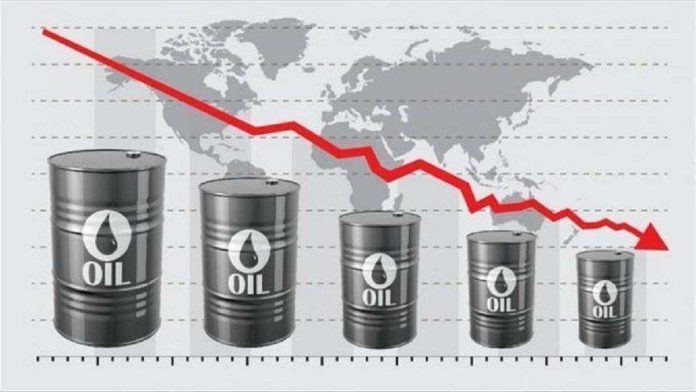
Brent crude futures fell 1.5% to $78.31 per barrel, while US West Texas Intermediate (WTI) declined 1.1% to $75.21 per barrel.
The decline followed confirmation that Washington and Tehran had endorsed the Pakistan-brokered “Islamabad Memorandum,” which seeks to end hostilities and facilitate the reopening of the Strait of Hormuz — a critical route through which roughly one-fifth of global oil supplies pass.
Market sentiment improved after reports indicated both countries had agreed to measures aimed at restoring shipping operations and reducing military tensions in the Gulf region.
Oil prices had surged sharply in recent weeks due to fears of supply disruptions, with Brent briefly approaching $83 per barrel amid escalating geopolitical risks.
Additional pressure came from expectations of rising global supply. The International Energy Agency projects a substantial increase in oil production over the next year, while US crude output continues to edge higher.
However, a significant decline in US crude inventories helped limit losses, suggesting underlying demand remains relatively resilient.
What’s Being Said
“The easing of geopolitical tensions has removed a major risk premium that had been built into oil prices,” energy market analysts said.
“Markets are now shifting focus from conflict-driven supply fears to longer-term fundamentals surrounding production growth and demand expectations,” commodity strategists noted.
What’s Next
- A formal signing ceremony for the agreement is expected in Switzerland on June 19.
- Markets will monitor developments surrounding Iran’s nuclear negotiations and sanctions discussions.
- Traders will closely watch OPEC+ production policies and US inventory data for further market direction.
The Bottom Line:
Oil markets are rapidly unwinding the geopolitical premium that drove prices higher during the conflict. Unless fresh supply disruptions emerge, growing global production could keep downward pressure on crude prices in the coming months.